
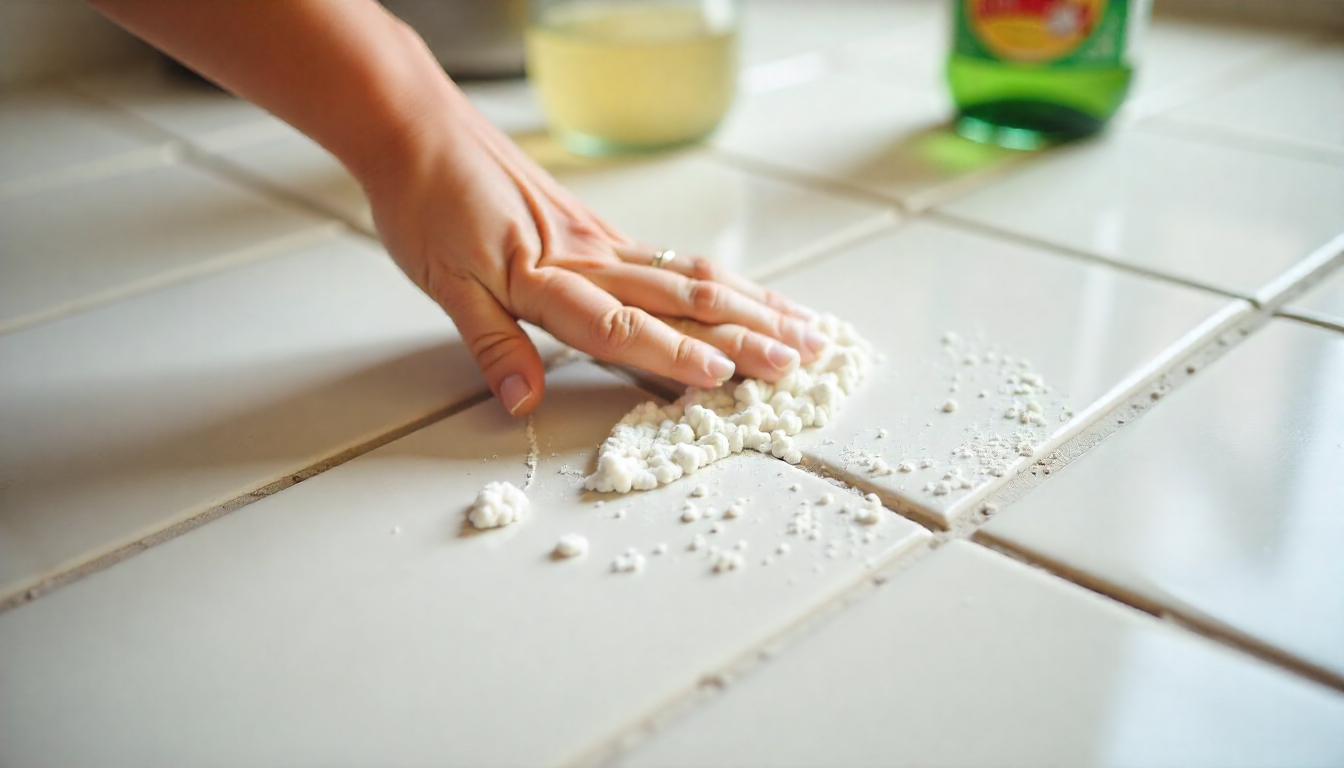
Natural Grout Cleaning Methods: Safe and Effective Chemical-Free Solutions
Dirty grout can make beautiful tiles look old and neglected. While commercial cleaners promise quick results, they contain harsh chemicals that harm your health and the environment. Fortunately, natural grout cleaning methods using simple household ingredients deliver professional results without toxic fumes or expensive products.
Why Choose Natural Methods?
Chemical cleaners often contain bleach and ammonia that cause respiratory irritation, skin burns, and headaches. Natural alternatives are safe for children, pets, and the environment. They’re also cost-effective—baking soda and vinegar cost significantly less than commercial products while protecting your tile surfaces from chemical damage.

Method 1: Baking Soda and Hydrogen Peroxide
This powerful combination is the most effective natural grout cleaner. Mix half a cup of baking soda with a quarter cup of 3% hydrogen peroxide and one teaspoon of dish soap to create a paste. Apply directly to grout lines, let sit for 10-15 minutes, then scrub vigorously with an old toothbrush using circular motions. Rinse thoroughly with warm water and dry completely.
The baking soda provides gentle abrasion while hydrogen peroxide acts as a natural bleaching agent and disinfectant. Together, they lift stubborn stains, kill mold spores, and brighten grout without toxic fumes. This method works exceptionally well on bathroom shower tiles and heavily stained kitchen backsplashes.
Method 2: Vinegar and Baking Soda
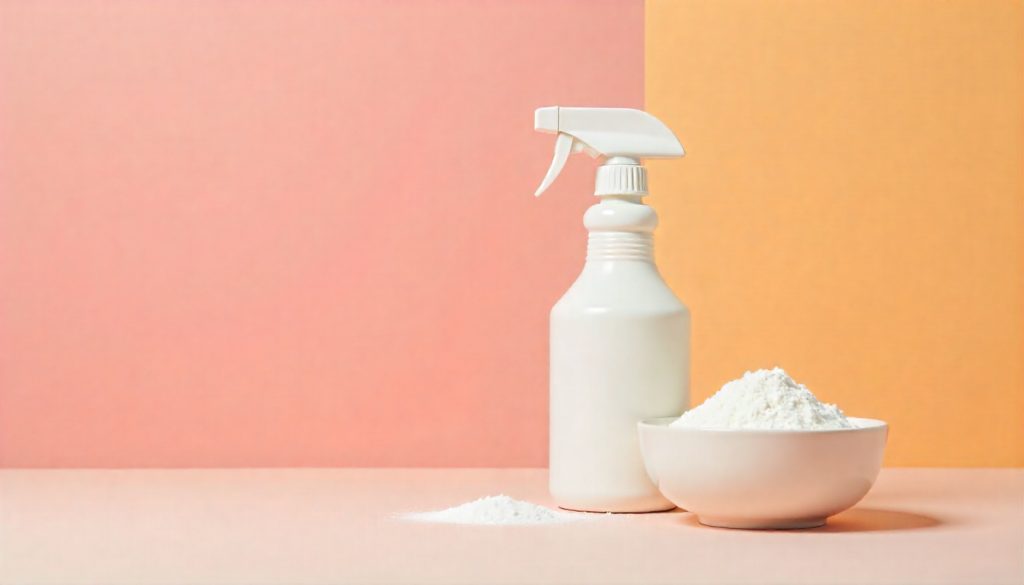
For regular maintenance, sprinkle baking soda along grout lines and spray with undiluted white vinegar. The fizzing action loosens dirt and grime. Let it work for 5-10 minutes, scrub with a stiff brush, rinse, and wipe dry. Important note: avoid using vinegar on natural stone tiles like marble or granite as the acid can cause etching and damage.
Method 3: Steam Cleaning
Steam cleaning uses high-temperature water vapor to sanitize grout without any chemicals. Direct the steam nozzle slowly along grout lines, wiping away loosened dirt with microfiber cloths. Steam at 200°F kills 99.9% of bacteria, mold, and viruses while penetrating deep into porous grout. This method is perfect for large tile areas and regular deep cleaning.
For more natural cleaning tips, visit Good Housekeeping.
Prevention Tips
Seal grout annually to create a protective barrier against stains. Improve bathroom ventilation by running exhaust fans during and after showers. Wipe shower walls with a squeegee after each use to prevent soap scum buildup. Address spills immediately, especially in kitchens where liquids like wine or coffee can permanently stain unsealed grout.
Tackling Specific Problems
For mold and mildew, spray equal parts hydrogen peroxide and water on affected areas, let sit for 10 minutes, then scrub. Hard water stains dissolve with white vinegar—apply undiluted for stubborn buildup. Kitchen grease responds well to hot water and dish soap, followed by baking soda paste for persistent stains.
For eco-friendly home solutions, explore Environmental Working Group.
Pro Tips for Success
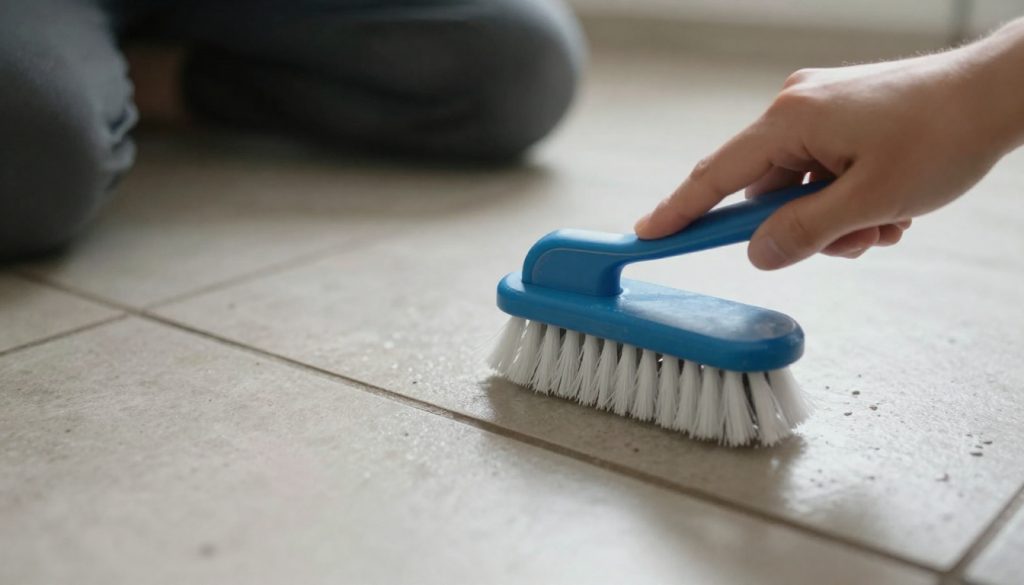
Work in small 3-4 feet sections to prevent cleaning solutions from drying out. Use grout brushes with narrow bristles that fit perfectly in grout lines. Scrub with firm, circular motions rather than back-and-forth movements. Rinse multiple times with clean water to remove all residue, as leftover solution attracts dirt. Always dry tiles and grout completely after cleaning to prevent mold growth.
Natural grout cleaning requires slightly more effort than chemical cleaners, but the health benefits, cost savings, and environmental protection make it worthwhile. With consistent weekly cleaning and proper maintenance, your grout will stay bright and fresh for years.
For comprehensive cleaning guides, visitThe Spruce.