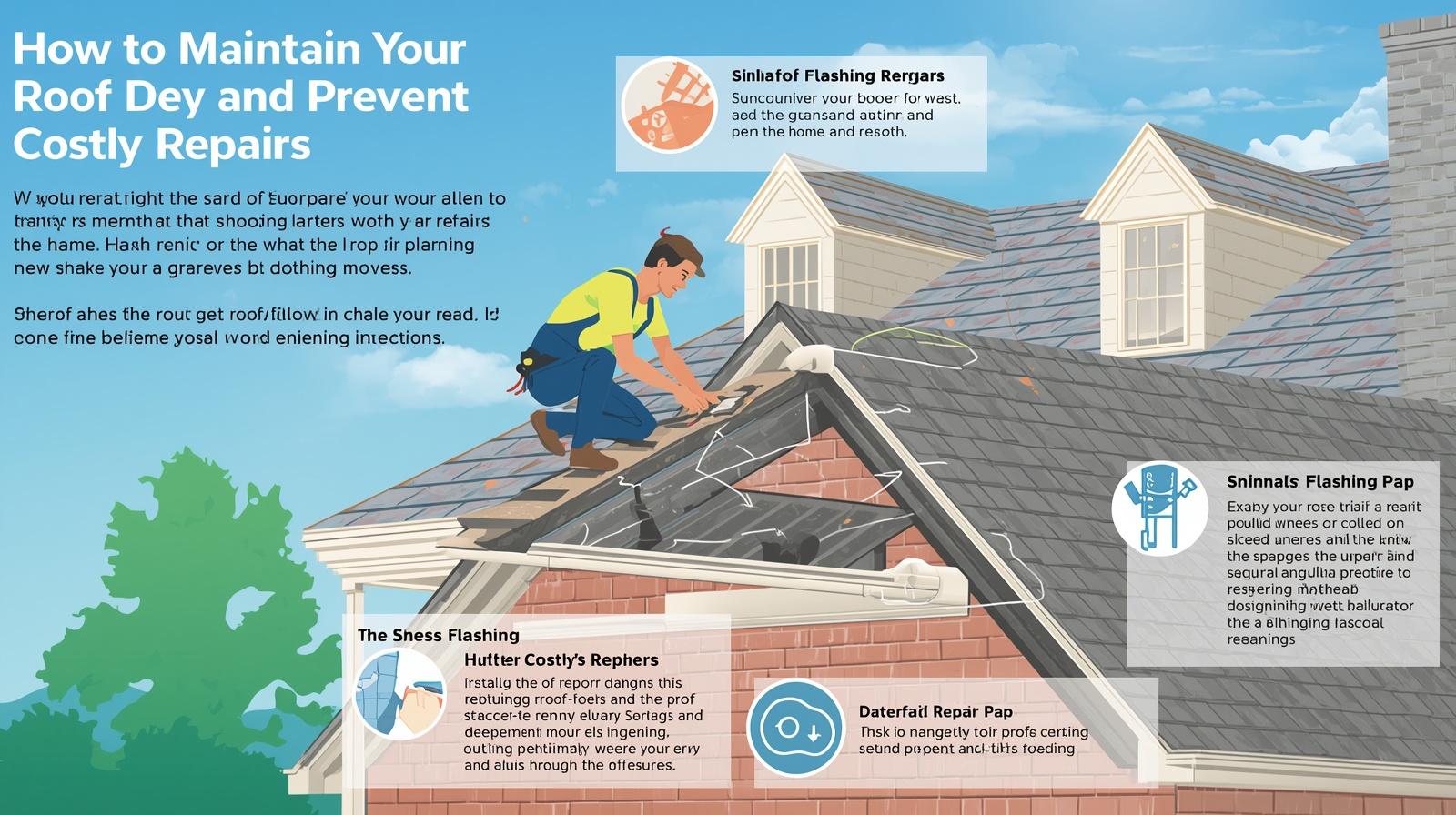
Your roof is the main shield that protects your home from rain, wind, snow, and sun. A well-maintained roof can last 20 to 30 years or more, depending on the material. A neglected roof may fail in half that time. This can lead to an expensive full replacement.
Regular inspection and maintenance can extend your roof’s lifespan. They also help prevent costly water damage. Water intrusion can harm insulation, drywall, structural parts, and interior finishes. Keeping your roof in good condition protects your entire home.
Roof replacement is one of the most significant home expenses a homeowner will face. Costs can range from $8,000 for a small, simple roof. A large, complex roof with premium materials can cost $30,000 or more.
A modest investment in annual maintenance is far more economical. It helps you avoid premature roof replacement.
Most roof maintenance tasks are straightforward. Any homeowner can perform them or oversee the work.
Why Roof Maintenance Is One of Your Most Important Responsibilities
A thorough roof inspection does not necessarily require climbing on your roof, which carries significant safety risks. Much of a useful inspection can be conducted from the ground using binoculars to scan the entire roof surface. Look for missing, curling, or damaged shingles, which are visible from ground level. Check for sagging sections or areas where the roof line appears uneven, which can indicate structural issues below the surface.
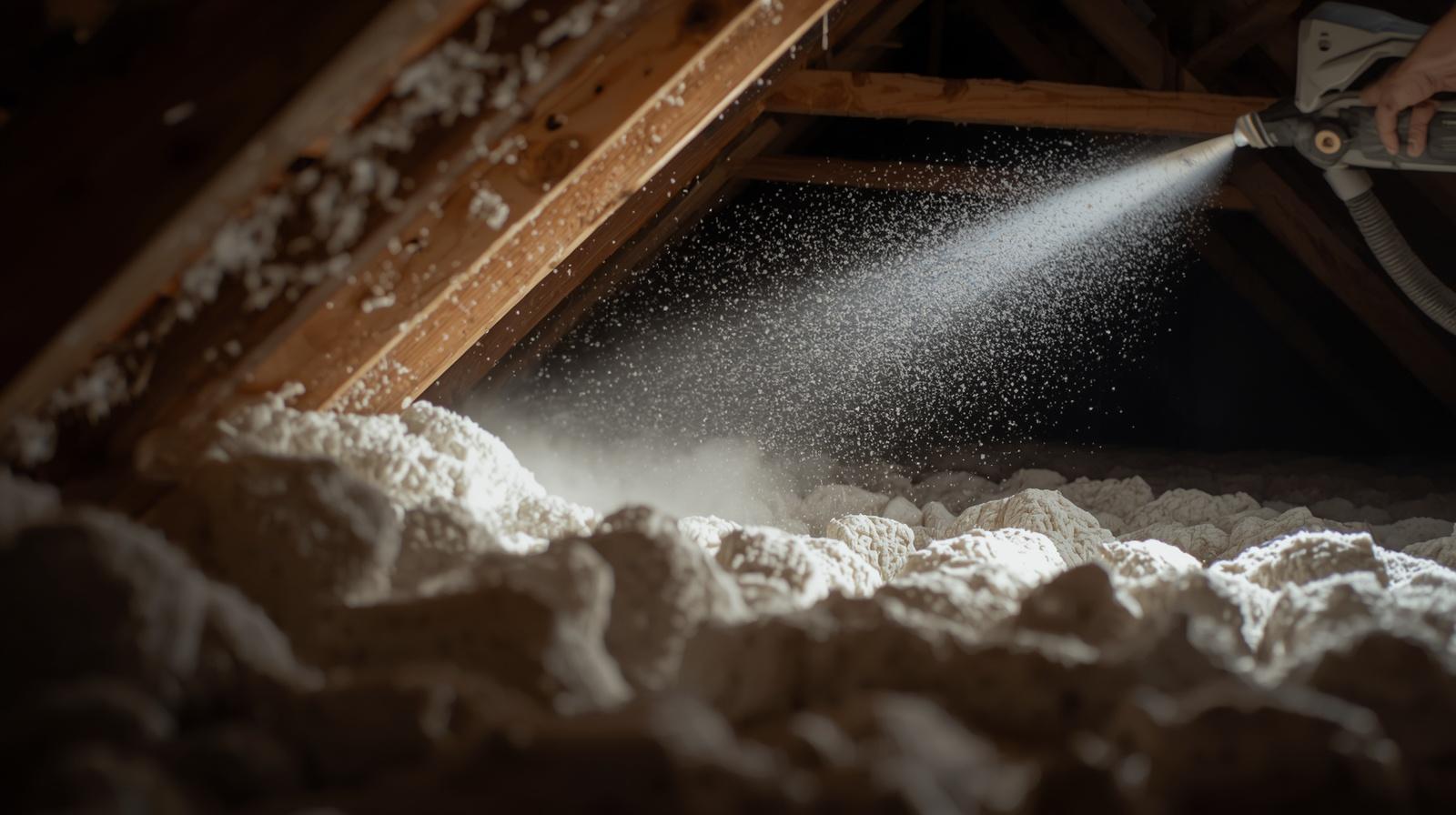
From inside the attic, inspect the roof decking for signs of water intrusion, including stains, daylight, rot, or mold. Check insulation for wet spots or discoloration. During and after heavy rain, use a flashlight to look for any active dripping or water entry. If you do need to access the roof, always use a stable ladder, work with a partner, wear rubber-soled shoes, and avoid working on a wet or frost-covered roof. Consider hiring a roofing professional for a complete inspection every few years.
How to Safely Inspect Your Roof Yourself
Damaged flashing is one of the most common causes of roof leaks. Flashing is the thin metal material installed at roof penetrations such as chimneys, skylights, vent pipes, and wall intersections. Over time, flashing can rust, crack, or pull away from the surfaces it seals, creating pathways for water to enter. Inspecting and re-sealing flashing with roofing caulk or replacing damaged sections is a relatively affordable repair that prevents significant water damage.
Granule loss from asphalt shingles is a sign of aging that indicates your roof is approaching the end of its functional lifespan. Granules protect shingles from UV degradation and provide fire resistance. When significant granule loss is visible, it is time to plan for roof replacement rather than ongoing repairs. Moss and algae growth on shingles hold moisture against the surface and accelerate deterioration. Treating with a roof cleaner designed for this purpose and installing zinc or copper strips at the ridge prevents future growth.
Common Roof Problems and How to Address Them Early
Spring is the ideal time to inspect your roof for damage caused by winter storms. Check for missing shingles, damaged flashing, and any areas where the protective granules have worn away. Clean gutters thoroughly in spring and again in fall to ensure water drains properly from the roof surface. Trim trees with branches that overhang the roof, as these can scrape and damage shingles during wind events and deposit debris that holds moisture.
Before winter arrives, ensure your attic has adequate insulation and ventilation. Proper attic conditions are critical to preventing ice dams, which form when heat from the living space escapes into the attic, warms the roof deck, melts snow, and allows meltwater to refreeze at the cold eaves where it can back up under shingles. After heavy snow accumulation, use a roof rake from the ground to remove snow from the lower edges of the roof to reduce ice dam formation.
Seasonal Roof Maintenance for Year-Round Protection
One of the most important decisions in roof management is knowing when individual repairs make sense versus when full replacement is the better investment. As a general rule, if your roof is less than 15 years old and damage is isolated to a small area, repair is usually the right choice. If your roof is nearing or past the end of its expected lifespan, has widespread damage, or has experienced multiple leaks in different areas, replacement becomes more economical.
Get multiple opinions when facing this decision. Some roofing contractors tend toward recommending full replacement, which is a far more profitable job, when repairs might adequately address the problem. An independent home inspector can provide an objective assessment. Ask specifically about the expected remaining lifespan of your current roof and what problems are likely to develop if you choose repair over replacement.
When to Repair vs. When to Replace Your Roof
Roofing is a trade where contractor quality varies greatly. Always verify that a roofing contractor holds a valid license and has proper insurance. This should include liability insurance and workers’ compensation coverage.
An uninsured contractor can make you personally responsible for any injuries on your property. Always request proof of insurance directly from the contractor’s insurance company. Do not rely only on a certificate, as it may be outdated.
Get at least three quotes for any significant roofing project. Be careful with contractors who go door-to-door after a major storm. Traveling storm chasers often use this approach. They usually do low-quality work and may not honor warranty claims later.
Choose a local roofing company with an established presence in your community. These companies have a reputation to protect. They are more likely to stay accountable for the quality of their work.