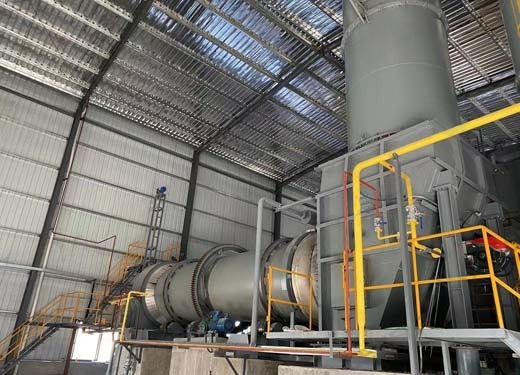
Poultry waste management is essential for maintaining farm hygiene, controlling disease risks, and protecting the surrounding environment. Poultry farms and processing facilities generate waste such as dead birds, feathers, contaminated materials, and other organic residues. A properly designed rotary kiln incinerator can help treat suitable poultry waste through controlled high temperature combustion. Selecting the right system depends on waste quantity, operating requirements, safety features, and environmental regulations.
What Is a Rotary Kiln Incinerator?
A rotary kiln incinerator is an industrial waste treatment system featuring a rotating cylindrical chamber that moves waste through the combustion process. This arrangement supports waste mixing and exposure to heat. Depending on its design, the system may include a secondary combustion chamber and emission control equipment to improve treatment performance and control pollutants.
Why Is a Rotary Kiln Incinerator Suitable for Poultry Waste?
A rotary kiln incinerator may be suitable for poultry facilities that need to process varying amounts of appropriate biological waste. Its rotating chamber helps move material during combustion, while controlled operating conditions support consistent treatment. The system’s suitability depends on the waste characteristics, required capacity, local regulations, and the manufacturer’s specified operating limits.
Importance of a Chicken Incinerator
A chicken incinerator provides a dedicated option for treating poultry carcasses and other approved poultry waste when incineration is permitted. It can help reduce waste volume and support biosecurity measures by limiting the handling and accumulation of dead birds. Proper loading procedures, temperature control, trained operators, and approved disposal of the resulting ash remain essential.
Key Features to Consider
The right incinerator should match the farm’s daily waste generation and required operating schedule. Important features include suitable chamber capacity, temperature monitoring, reliable combustion controls, durable heat resistant lining, and accessible maintenance points. Secondary combustion and emission control systems should be selected according to the waste composition and applicable environmental requirements.
Factors to Consider Before Selecting a System
Before purchasing an incinerator, poultry operators should estimate the quantity and type of waste generated each day. The equipment capacity should match actual requirements without unnecessary fuel consumption or overloading. Consider available installation space, energy supply, operating costs, maintenance access, and whether the system can handle the intended waste safely.
Choosing Rotary Kiln Incinerator Manufacturers
When comparing rotary kiln incinerator manufacturers, assess their experience with biological waste treatment, equipment specifications, safety provisions, and emission control technology. Request technical documentation, installation requirements, maintenance details, and information about after sales support. Confirm that the proposed equipment meets applicable environmental and waste treatment regulations before making a purchasing decision.
Emission Control and Environmental Safety
Environmental performance is an important consideration when selecting a rotary kiln incinerator for poultry waste. Appropriate secondary combustion and exhaust gas treatment systems can help control pollutants released during operation. Equipment should be designed for the intended waste stream, and emissions must comply with applicable standards. Operators should also follow approved procedures for handling and disposing of ash.
Installation and Regular Maintenance
Proper installation and maintenance help maintain reliable incinerator performance over time. The system should be installed at a suitable location with appropriate ventilation, access controls, and required safety arrangements. Regular inspection of the refractory lining, rotating components, burners, sensors, and emission control equipment helps identify wear early and reduce unexpected downtime during waste treatment operations.
Improving Poultry Waste Management
A suitable incineration system can support poultry farm hygiene by reducing the accumulation of approved waste and helping manage dead birds responsibly. Operators must receive training in safe loading, combustion monitoring, emergency procedures, and ash handling. Incineration should form part of a broader biosecurity plan that follows veterinary guidance and applicable environmental rules.
Conclusion
Choosing a suitable rotary kiln incinerator helps poultry facilities manage approved waste responsibly. Evaluate capacity, combustion controls, emissions treatment, service support, and regulatory compliance before purchase. A properly operated chicken incinerator can support biosecurity and reduce waste volume, provided installation, operation, and ash disposal follow local environmental and veterinary requirements.