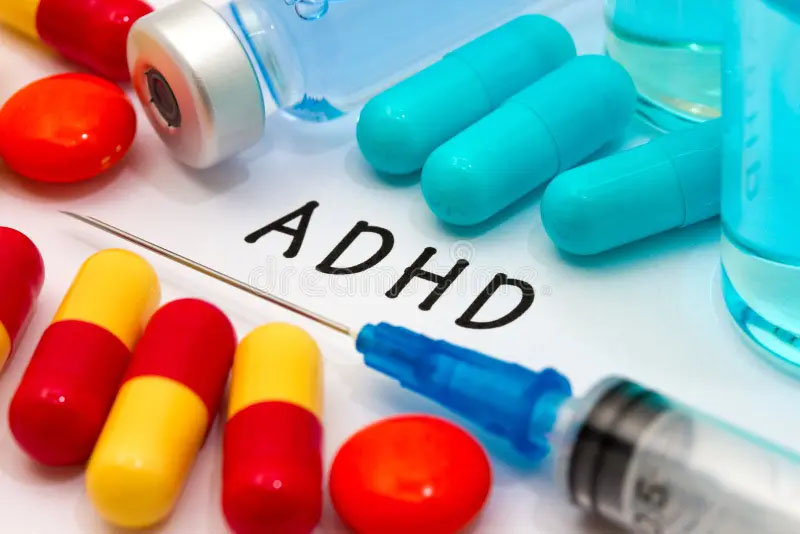
Attention-deficit/hyperactivity disorder can influence how a person manages attention, time, impulses, and everyday responsibilities. Medication is one possible part of treatment, but choosing it requires more than reading product descriptions. The National Institute of Mental Health’s ADHD guide explains that care may combine medication, psychotherapy, and practical behavioral support. Understanding these options helps adults and families approach treatment as an ongoing partnership with a qualified clinician rather than a one-time purchase.
What ADHD Treatment Is Designed to Improve
ADHD is not simply a lack of willpower. It is a neurodevelopmental condition that may affect sustained attention, organization, emotional regulation, and impulse control. Some people struggle to complete projects even when they understand the work. Others interrupt conversations, misplace important objects, or find it difficult to switch between tasks. Symptoms and their impact vary considerably between individuals and across stages of life.
A useful treatment plan begins with specific goals. One patient may want to arrive at work on time without losing track of appointments. Another may hope to manage homework or reduce arguments about unfinished household responsibilities. Goals make it easier to judge whether a treatment is helping. The aim is not to change someone’s personality or eliminate every distraction; it is to improve functioning while minimizing unwanted effects.
Understanding Stimulant and Non-Stimulant Medicines
Stimulant medicines are commonly prescribed for ADHD. They affect brain signaling involved in attention and behavioral control and may begin working relatively quickly. Examples include medications based on methylphenidate or amphetamine. Different preparations have different durations, which is why two medicines in the same broad category can produce different experiences. A clinician considers age, health history, symptoms, and daily schedule before deciding what may be appropriate.
Non-stimulant options are also available. Atomoxetine and certain other prescribed medicines may be considered when stimulants are unsuitable, poorly tolerated, or not preferred. Some non-stimulants take longer to show their full effect. Neither category is automatically best for every person. A medicine that supports one patient’s daily routine may cause troublesome effects or provide limited improvement for another. Comparing options with a prescriber is more useful than choosing based on an online ranking.
Why a Thorough Assessment Comes First
Difficulty concentrating has many possible causes. Poor sleep, anxiety, depression, substance use, stress, and some medical conditions can resemble or complicate ADHD. A proper evaluation reviews symptoms over time, considers whether difficulties occur in multiple settings, and assesses their effect on daily life. For children, information from parents and teachers is often valuable. For adults, a clinician may explore earlier school experiences and current work or relationship challenges.
A medication decision also depends on safety. Clinicians may ask about heart conditions, blood pressure, other prescriptions, pregnancy considerations, and personal or family medical history. Sharing this information openly helps the care team avoid preventable problems. It can also reveal a different or additional issue that deserves attention. Skipping assessment in favor of obtaining pills quickly removes an important protection rather than saving a meaningful step.
What Monitoring Looks Like After Treatment Begins
Finding an appropriate treatment can require follow-up visits. A healthcare professional may review concentration, sleep, appetite, mood, pulse, blood pressure, and everyday functioning. Children receiving certain medications may also need growth monitoring. Keeping a short record of what changes at home, work, or school gives the clinician more useful information than saying only that a medicine seems good or bad.
Side effects are important to discuss early. Appetite changes, difficulty sleeping, headaches, or irritability may warrant a treatment adjustment. Some symptoms call for prompt medical evaluation, including chest pain, fainting, severe agitation, or other alarming changes. Patients should not increase doses, combine medicines, or stop prescribed treatment abruptly without clinical guidance. A clear follow-up plan makes it easier to respond safely when something does not feel right.
Medication Works Best Within a Broader Plan
Medication may help people use the skills they are learning, but it does not teach those skills automatically. Cognitive behavioral strategies, practical calendars, visual reminders, consistent routines, and environmental adjustments may all support treatment. For children, caregiver training and school accommodations can be particularly valuable. Adults may benefit from coaching or therapy that addresses procrastination, planning, and the emotional consequences of years of difficulty.
Sleep, movement, and predictable schedules can also make everyday management easier. These steps do not replace prescribed care, and they should not be presented as cures. Instead, they create a stable foundation for evaluating what works. When treatment is individualized, success is measured by meaningful improvements in daily life, not by whether a person uses a particular brand of medicine.
Making Informed Choices About Online Information
People may search for phrases such as “Buy ADHD Drugs Online” when they are frustrated by access, cost, or refill delays. Search results, however, do not establish that a seller is licensed or a medicine is appropriate. In the United States, prescription ADHD medicines must be obtained through lawful prescribing and dispensing processes. A website offering controlled stimulants without a valid prescription is a serious warning sign, even if it displays familiar drug names or convincing customer reviews.
Before using any online pharmacy, ask a licensed prescriber or pharmacist about reliable options, insurance coverage, and legitimate delivery services. The FDA’s BeSafeRx resources explain how to recognize regulated pharmacies and avoid unsafe medicine sellers. Good ADHD care begins with a diagnosis, continues through careful monitoring, and keeps patient safety ahead of convenience.