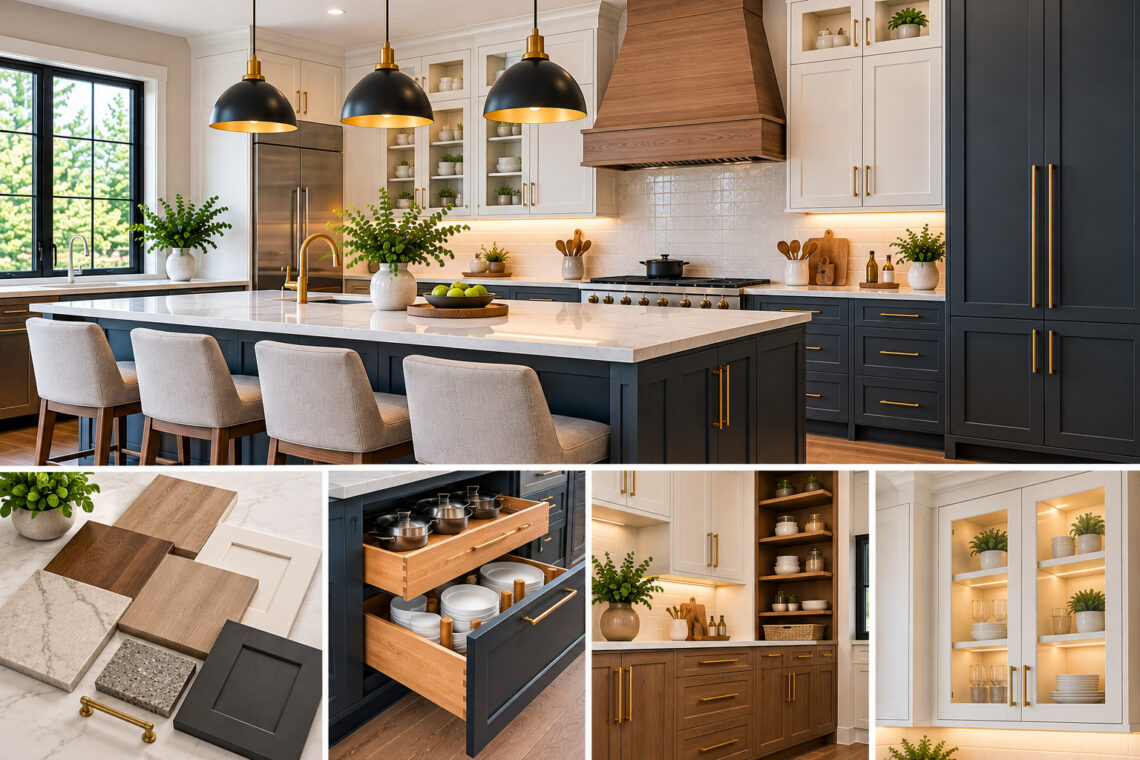
Buying new cabinets requires careful planning because they influence storage, appearance, comfort, and the entire kitchen layout. For homeowners in Orland Park, the right cabinet choice should support daily routines while making good use of the available space. Selecting cabinets based only on color may lead to storage problems or an impractical arrangement.
The cost of new kitchen cabinets varies according to kitchen size, construction quality, materials, layout, and customization. Installation, hardware, trim, and interior storage features can also increase the overall budget. Therefore, Orland Park homeowners should assess the complete project instead of comparing cabinet prices alone.
Kitchen layouts across Orland Park can present different planning needs. A compact room may require efficient wall and corner storage. Meanwhile, a larger kitchen may include an island, pantry cabinets, and several appliance openings. The final cabinet plan should suit the room, household needs, and available budget.
Review Your Existing Kitchen Before Shopping
Begin by examining how your current kitchen works. Consider where you prepare meals, store groceries, wash dishes, and keep small appliances. This review can reveal whether you need a complete layout change or simply better cabinet storage. Pay attention to areas that create daily inconvenience. Deep cabinets may make items difficult to reach, while limited drawer space can leave counters cluttered. A poorly placed pantry or trash cabinet may also interrupt movement through the room. Homeowners can compare different kitchen cabinet options after identifying these practical needs. This approach makes it easier to select cabinets that suit the household rather than choosing features that only look attractive in a showroom.
Estimated Kitchen Cabinet Costs
Kitchen cabinet prices can differ because every kitchen has its own size, layout, and storage requirements. Cabinet construction, customization, installation, and finishing details also affect the total budget. The following ranges can help homeowners estimate common project costs before requesting a detailed quote.
| Cabinet project | Estimated cost range | Suitable for |
| Stock cabinets | $3,000–$8,000 | Small kitchens and standard layouts |
| Semi-custom cabinets | $8,000–$18,000 | Homeowners seeking more sizes and finishes |
| Custom cabinets | $15,000–$35,000+ | Unique layouts and specific design needs |
| Installation labor | $2,000–$8,000+ | Professional fitting, leveling, and adjustments |
| Cabinet removal | $500–$2,000+ | Removing and disposing of old cabinets |
| Hardware and accessories | $500–$5,000+ | Pull-outs, organizers, handles, and storage features |
Set a Complete Kitchen Cabinet Budget
A realistic budget should cover more than cabinet boxes and doors. Cabinet installation may require removal, disposal, wall preparation, trim work, hardware, and final adjustments. Changing the layout could also affect plumbing, electrical work, flooring, or countertops. The average cost of kitchen cabinets varies widely because no two projects have the same scope. A small kitchen using stock cabinets may remain within a modest budget. Meanwhile, a large kitchen with semi-custom cabinets, an island, decorative panels, and storage accessories will cost more. It is helpful to separate the budget into clear categories. These may include cabinets, delivery, installation, removal, hardware, trim, and related kitchen work. Homeowners should also reserve part of the budget for conditions that become visible after the old cabinets are removed.
Understand the Main Cabinet Categories
Cabinets are generally available in stock, semi-custom, and custom categories. Each option offers a different balance of cost, sizing, material quality, and design flexibility. Understanding these differences can prevent homeowners from paying for features they do not need.
Stock Kitchen Cabinets
Stock kitchen cabinets come in standard sizes, colors, and configurations. They are generally the most affordable choice and may work well in kitchens with straightforward measurements. Their predictable sizing can also make planning easier. However, stock cabinets provide limited flexibility. Fillers may be needed when cabinet sizes do not perfectly match the available wall space. Homeowners should confirm that the available units can support their storage needs and appliance dimensions.
Semi-Custom Kitchen Cabinets
Semi-custom kitchen cabinets provide more sizing, finish, and storage choices. They can often accommodate deeper drawers, pantry cabinets, decorative panels, and specialized interior accessories. This flexibility makes them suitable for many family kitchens. They usually cost more than stock cabinets, but they may offer a better fit. For many Orland Park homeowners, semi-custom cabinetry provides a useful middle ground between standard products and fully custom work.
Custom Kitchen Cabinets
Custom kitchen cabinets are made for a particular room and design. They can address unusual measurements, angled walls, tall ceilings, or highly specific storage needs. Homeowners also have greater control over materials, finishes, door styles, and interior details. However, custom cabinetry usually carries higher product and labor costs. It may also require a longer design and production schedule. Custom work makes the most sense when its additional flexibility provides a clear practical or visual benefit.
Compare Cabinet Materials and Construction
Kitchen cabinet prices often reflect differences that are not immediately visible. Two cabinets may have similar door styles but use different box materials, drawer systems, hinges, shelves, and finishes. These construction details affect durability and everyday performance. Ask whether the cabinet boxes use plywood, engineered wood, MDF, particleboard, or another material. Also check the thickness of shelves and whether the back panels provide adequate support. Stronger construction may cost more, but it can offer better stability in a busy kitchen. Drawer quality also deserves attention. Drawers should open smoothly and remain aligned under regular use. Soft-close hinges and drawer slides can add convenience, although homeowners should confirm whether these features are included or priced as upgrades. The finish should suit the way the household uses the kitchen. A family kitchen may need surfaces that resist regular cleaning, moisture, fingerprints, and daily wear. Material quality should support the expected level of use rather than simply meeting a particular appearance.
Plan the Cabinet Layout Around Daily Tasks
A cabinet layout should make common kitchen tasks easier. Frequently used dishes, cookware, food, and utensils should have practical storage locations. Thoughtful placement can reduce unnecessary movement and keep work areas organized. Base cabinets with deep drawers may make pots and pans easier to access than shelves behind doors. Wall cabinets can hold dishes and glassware, while tall pantry cabinets can provide concentrated food storage. Corner cabinets may need rotating shelves or pull-out fittings to make the full space usable. The layout should also maintain comfortable clearance around appliances, islands, and walkways. Cabinet doors, oven doors, and dishwasher doors should not block each other. Accurate planning becomes especially important in smaller kitchens where a few inches can affect movement. Older homes may have walls or floors that are not perfectly level. Therefore, homeowners in Orland Park should arrange accurate measurements before ordering cabinets. Professional measurements can account for corners, appliance openings, windows, plumbing, and other fixed elements.
Choose a Style That Suits the Home
Cabinet style affects the overall mood of the kitchen. Shaker doors provide a clean and balanced appearance that works in traditional, transitional, and modern spaces. Flat-panel doors create a simpler look, while raised-panel doors add more visual detail. Homeowners should consider how the door style relates to flooring, countertops, backsplash tile, and architectural features. A cabinet design does not need to match every surface. However, all materials should feel connected when viewed together. Detailed doors may require more cleaning around grooves and raised sections. Smooth doors are often easier to wipe, although some finishes show fingerprints more clearly. Maintenance should be considered alongside appearance when choosing a style. Trends can provide inspiration, but cabinets usually remain in place for many years. A design that suits the home and personal preferences may age better than one chosen only because it is currently popular.
Consider Color, Finish, and Natural Light
Cabinet color can change how large, bright, or warm a kitchen feels. White and cream cabinets can reflect light and make compact rooms appear more open. Grey cabinets offer a neutral look, while wood tones introduce warmth and natural texture. Dark blue, brown, or black cabinets can create contrast, but they may make a small or poorly lit room feel heavier. Homeowners can balance dark base cabinets with lighter wall cabinets or countertops. This creates visual interest without allowing one color to dominate the room. Always review cabinet samples inside the kitchen. Showroom lighting may make a finish look different from how it appears at home. Natural light, artificial lighting, flooring, and nearby wall colors can all influence the final appearance. Painted, stained, matte, and textured finishes also have different care requirements. Ask how each finish handles moisture, grease, sunlight, and routine cleaning. The best finish should remain practical after the initial visual appeal fades.
Prioritize Useful Storage Features
Storage accessories can make cabinets more functional, but every upgrade increases the budget. Homeowners should focus on features that solve real problems within their current kitchen. Adding accessories without a clear purpose can raise costs without making the space easier to use. Deep drawers can provide convenient storage for cookware. Pull-out trash units keep waste containers hidden, while roll-out trays make deep cabinets easier to access. A narrow pull-out may work for spices or cooking oils if it sits close to the preparation area. Pantry cabinets can provide valuable food storage, especially when the kitchen lacks a separate pantry. However, interior shelves and pull-outs should match the items stored there. A tall cabinet with poorly spaced shelves may waste vertical space. Homeowners should list their most-used kitchen items before selecting accessories. This simple step helps direct the cabinet replacement budget toward improvements that will support everyday routines.
Account for Installation and Related Work
Good cabinets can perform poorly when they are not installed correctly. Base cabinets must be level because they support the countertops. Wall cabinets must be aligned and securely attached, while doors and drawers need final adjustment. Ask whether the quote includes removal of old cabinets, disposal, delivery, installation, fillers, panels, molding, and hardware. One estimate may appear lower because several necessary services are excluded. Comparing the complete scope provides a more accurate view of value. Layout changes can create additional work. Moving a sink may require plumbing changes, while adding an island could require electrical service. New flooring may also be needed if the previous material does not extend beneath the cabinets. The order of work should be confirmed before the project begins. Cabinets typically need to be installed and checked before countertop measurements take place. Clear scheduling helps prevent delays between removal, installation, countertop work, and final connections.
Compare Cabinet Quotes Carefully
A cabinet quote should clearly explain what the homeowner will receive. It should identify the cabinet line, materials, finish, door style, hardware, accessories, trim, delivery, and installation. Vague estimates make it difficult to compare kitchen cabinet prices fairly. Check whether all exposed cabinet sides will receive finished panels. Ask whether fillers, toe kicks, crown molding, and appliance panels are included. These pieces may seem minor, but they strongly affect the finished appearance. Warranty details also matter. Homeowners should understand which parts are covered, how long the protection lasts, and who handles a service concern. Product and installation warranties may come from different sources. The lowest quote is not automatically the best choice. A complete proposal with reliable materials, clear responsibilities, and appropriate installation may provide better long-term value than a lower estimate with missing items.
View Cabinet Materials Before Ordering in Orland Park, IL
Online images can help homeowners compare colors and styles, but they may not show every material detail accurately. Seeing cabinets in person makes it easier to examine the finish, door construction, drawer movement, hardware quality, and overall color under natural light. Homeowners who want to compare finishes and construction can visit a kitchen cabinet store in Orland Park, IL before placing an order. They can review physical samples, ask questions about cabinet materials, and confirm whether their preferred option suits the kitchen’s layout, budget, and daily use.
Avoid Rushing the Final Decision
Cabinets influence almost every other part of the kitchen. Their dimensions affect countertops, appliance openings, backsplash placement, and available floor space. For that reason, ordering cabinets before confirming the complete plan can create expensive changes. Review measurements, cabinet elevations, appliance specifications, and finish selections before approving the order. Confirm door swings, drawer clearances, and the placement of pantry or corner units. Small corrections are easier before production or delivery. Homeowners should also consider how long they expect to remain in the property. A short-term update may call for practical stock or semi-custom cabinets. A long-term family home may justify stronger construction and more personalized storage.
Conclusion
Buying new kitchen cabinets requires more than selecting a door style and color. Homeowners should consider kitchen cabinet materials, construction, layout, storage, installation, and related project costs. Each choice should support both the available budget and the way the kitchen is used. For homeowners in Orland Park, careful measurements and local project planning are especially important. Kitchen size, property style, existing conditions, and household needs will shape the right cabinet choice. A clear plan makes it easier to compare products without paying for unnecessary features. Kitchen Cabinet Design can help local homeowners compare cabinet choices and plan a suitable kitchen update. By reviewing the complete project before ordering, homeowners can create a kitchen that offers practical storage, dependable performance, and lasting visual appeal.