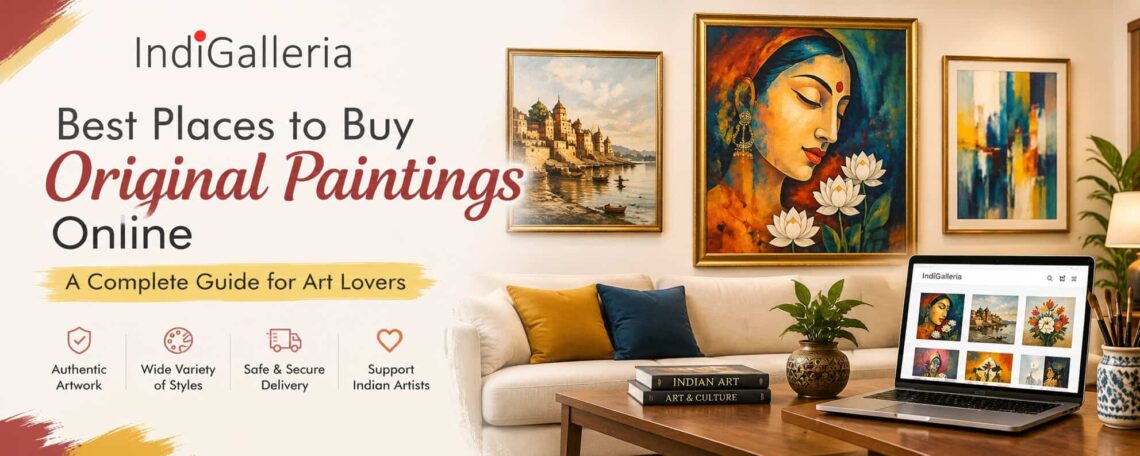
Building an Indian art collection does not require a huge budget or years of experience. Whether you are a first-time buyer, a passionate art lover, or an experienced collector, you can create a meaningful collection by understanding different art forms, researching artists, and choosing original artwork that reflects your interests. From traditional Madhubani paintings to contemporary Indian art, there are options for collectors with a wide range of budgets.
Indian art represents the country’s rich cultural heritage, regional traditions, and evolving creative expression. With online art platforms such as IndiGalleria, discovering Indian paintings and exploring different artistic styles has become more convenient. The key is to focus on artistic value, authenticity, personal connection, and informed purchasing decisions rather than simply choosing the most expensive artwork.
1. Define Your Art Collection Goals
Before purchasing your first painting, decide what you want your collection to represent. Some collectors are interested in traditional Indian art, while others prefer contemporary paintings, abstract compositions, landscapes, or spiritual artwork.
Your collecting goals will help you identify suitable artists, styles, and price ranges. For example, if you appreciate India’s cultural heritage, you might explore Madhubani, Warli, Pattachitra, or miniature paintings. If you prefer modern interiors, contemporary paintings and abstract artwork may be more suitable.
Start with a simple plan:
- Choose two or three art styles that interest you.
- Set a realistic budget for your first purchase.
- Research artists and available artwork.
- Decide whether you are collecting for personal enjoyment, home decoration, cultural appreciation, or potential long-term investment.
A clear direction helps you build a collection thoughtfully instead of making random purchases.
2. Start Small and Collect Within Your Budget
One of the biggest misconceptions about collecting art is that valuable artwork must be expensive. In reality, you can begin with smaller paintings, works by emerging artists, affordable original pieces, or artworks created using accessible materials.
Set a spending limit that does not affect your essential expenses. You could begin with one carefully selected painting and gradually add more pieces as your interests develop.
Consider these budget-friendly approaches:
- Small original paintings: Explore smaller artworks that fit your available budget and display space.
- Emerging artists: Discover artists who are developing their careers and whose work aligns with your interests.
- Traditional folk art: Explore regional art forms that offer distinctive cultural stories and visual appeal.
- Works on paper: Consider drawings, watercolours, and other original works on paper.
- Limited-edition prints: If original paintings exceed your budget, prints can provide an accessible way to enjoy an artist’s work, provided their edition and production details are clearly stated.
Remember that affordability does not automatically determine artistic quality. Choose artwork based on its characteristics, the artist’s practice, and your personal appreciation.
3. Explore Traditional Indian Art Forms
Traditional Indian art is an excellent starting point for collectors who want to connect with the country’s cultural identity. Many regional art forms have distinctive techniques, motifs, materials, and storytelling traditions.
Madhubani paintings are recognised for their intricate patterns, vivid colours, and depictions of nature and mythology. Warli art uses geometric shapes to portray community life and everyday activities. Pattachitra paintings are known for detailed narrative compositions, while Indian miniature paintings often feature delicate brushwork and elaborate scenes.
Before buying traditional artwork, learn about its origins and artistic techniques. Ask the seller about the artist, materials, and whether the piece is handmade or reproduced. Where available, review documentation that supports the artwork’s origin and authenticity.
Collecting traditional Indian paintings can help you appreciate the country’s artistic diversity while supporting artists who preserve and reinterpret cultural traditions.
4. Discover Contemporary Indian Artists
Contemporary Indian art offers another opportunity to build a distinctive collection. Artists explore themes such as identity, urban life, nature, social change, spirituality, and personal experiences through a wide variety of styles.
Abstract paintings, modern landscapes, expressive portraits, and mixed-media works can bring different perspectives into your collection.
When researching contemporary artists, examine their portfolios, artistic approach, exhibition history, and consistency of work. An artist’s background and creative development can help you understand the context of a painting, although these factors do not guarantee future market appreciation.
Instead of following every popular trend, focus on artists whose work genuinely interests you. This approach makes collecting more enjoyable and helps your collection develop a clear identity over time.
5. Learn to Evaluate Artwork Before Buying
Whether you are purchasing an affordable painting or considering a more significant investment, research is essential. A well-informed purchase can reduce uncertainty and help you understand what you are buying.
Evaluate artwork using these important factors:
- Authenticity: Check whether the work is an original painting, a print, or a reproduction.
- Artist details: Research the artist’s background, portfolio, and available professional information.
- Provenance: Review any available ownership history or documentation relating to the artwork.
- Materials and technique: Understand the medium, such as acrylic, oil, watercolour, or mixed media.
- Condition: Look for visible damage, fading, repairs, or other condition issues.
- Dimensions: Confirm the actual size and consider how it will fit into your intended space.
- Pricing: Compare similar works and consider the artist, medium, size, originality, and overall quality.
Certificates of authenticity and purchase records can be useful when available, but documentation should be assessed carefully rather than treated as an automatic guarantee.
6. Buy Indian Artwork Online with Confidence
Online art platforms make it easier to discover paintings from different regions and artistic backgrounds. They also allow buyers to compare artwork, read product descriptions, and explore styles without visiting multiple physical galleries.
IndiGalleria offers an online destination for exploring Indian artwork and discovering paintings suited to different tastes and budgets.
Before purchasing from any online art platform, review the product description, artwork photographs, medium, dimensions, framing details, and artist information. Check the shipping policy, packaging arrangements, estimated delivery time, and return conditions before placing an order.
If a painting is described as original or handmade, make sure the listing clearly explains what that means. Do not assume that every artwork displayed online is a unique original painting.
Careful research helps you select pieces with greater confidence and ensures that the artwork you receive matches your expectations.
7. Build a Balanced Collection Over Time
You do not need to buy several paintings at once. A valuable collection can develop gradually as your knowledge, preferences, and budget evolve.
Consider combining traditional Indian paintings with contemporary pieces to introduce variety. You might collect artwork from one region, explore a particular theme, or compare how different artists interpret similar subjects.
Maintain a record of each purchase, including the artist’s name, artwork title, date of purchase, price, receipt, and any available authenticity documentation. These records help you organise your collection and establish a useful ownership history.
Protect your paintings from direct sunlight, excessive humidity, moisture, and unsuitable storage conditions. Follow care instructions appropriate to each artwork’s materials to help preserve its condition.
8. Understand the Difference Between Artistic and Financial Value
The word “valuable” does not always mean expensive or likely to increase in price. An artwork can be valuable because of its cultural significance, craftsmanship, originality, emotional meaning, or connection to a particular artistic tradition.
Although some paintings may appreciate in market value, there is no guarantee that any artwork will generate a financial return. Art can be difficult to resell, and prices may change according to demand, artist recognition, condition, and broader market conditions.
If financial investment is your primary objective, research comparable sales where reliable data is available and consider obtaining independent professional advice before making substantial purchases.
For most new collectors, the best starting point is to acquire artwork they genuinely appreciate while learning about artists and the art market.
Conclusion
Building a valuable Indian art collection on any budget is possible with patience, research, and a clear understanding of your interests. By exploring traditional Indian paintings, discovering contemporary artists, evaluating authenticity, and purchasing within your means, you can develop a collection that reflects your personality and appreciation for art.
You do not need to begin with expensive masterpieces. Start with artwork that inspires you, learn about the stories behind each piece, and expand your collection thoughtfully over time.
IndiGalleria can help art enthusiasts explore Indian artwork online and discover paintings that complement their tastes and collecting goals. With an informed approach and a genuine interest in artistic expression, you can build a collection that offers lasting personal and cultural value, regardless of your starting budget.