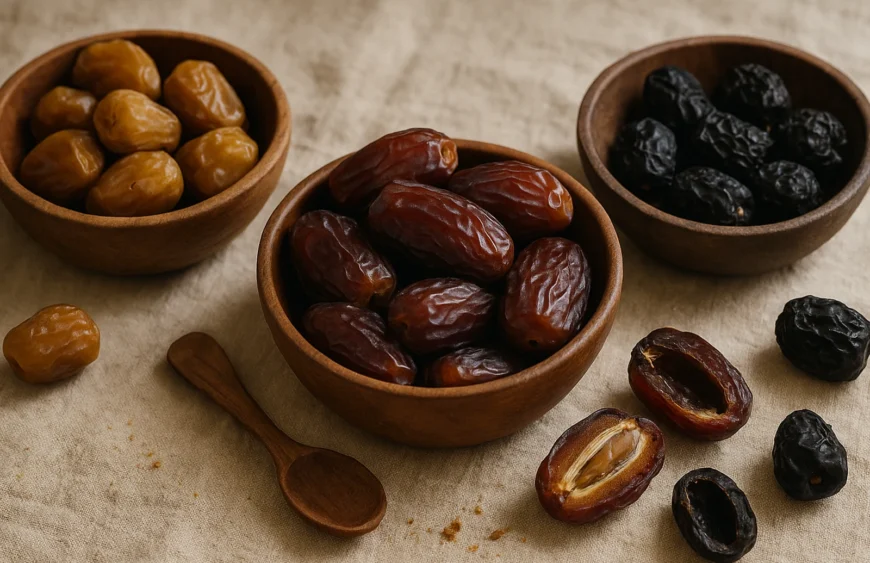
You open two listings for premium medjool dates. One asks 350 rupees for 500 grams. The other asks 900. Both use the same word, premium, and both photos show plump brown fruit. Most buyers pick the cheaper box and call it a bargain, or they pick the costlier one and assume it must be better. Neither assumption holds up without checking.
The word premium gets stretched across the market. Still, the difference between a good medjool and an average one is measurable. Size, moisture, handling, and storage all leave clues you can read before you pay.
Size Tells You About the Process
Growers sort medjool dates by size, and larger fruit usually comes from palms that received careful thinning and pollination. Bigger dates aren’t automatically superior. But a seller who grades by size shows you that someone paid attention at harvest. Ask how the fruit is graded. If the answer is vague, the premium label is doing all the work.
Moisture Decides the Eating Experience
Good medjool has flesh that gives under light pressure and a sweetness with some depth to it. Overdried fruit tastes of caramel but has no body. Fruit that’s too wet risks fermentation. Sellers who keep their stock chilled tend to hit the middle range more consistently, which is why cold storage matters as much as the orchard.
What Buyers Usually Overlook
- The pack date, not only the expiry date
- Whether the dates are pitted, since pitted fruit dries out faster
- The country or orchard region, when the seller is willing to name it
- Heavy glazing or sugar coating, which can hide older fruit
- Whether the box is sealed against humidity during transit
Where Jathipathri Fits In
Indian kitchens often pair dates with warming spices in winter sweets. Jathipathri, the dried outer covering of the nutmeg seed, adds a sharp and resinous warmth. A small pinch balances the honeyed sweetness of premium medjool without overpowering it. Its traditional use is linked to digestion, but modern research on that claim is limited, so treat it as a flavour choice first. A date and nut ladoo with a little jathipathri benefits makes a simple winter snack that tastes far better than the ingredients suggest.
Price Versus Real Value
Price per gram only tells part of the story. A premium box that stays soft and fresh for six weeks in your fridge can cost less per eaten gram than a cheaper batch that turns hard and sticky within two. Work out the cost of what you actually eat. That number tells you more than the sticker does.
Conclusion
Premium medjool dates are worth buying when the seller can explain grading, storage, and pack dates in plain terms. Check size, moisture, and packaging before you pay, and taste a sample if you can. Pair the good fruit with a little jathipathri for warmth, and you’ll find the price easier to justify.
FAQs:
How can I tell if premium medjool dates are fresh before buying?
Ask for the pack date and check whether the box is sealed. Fresh fruit feels soft and slightly moist without being sticky to the touch. Dull, cracked skin usually points to age.
Is jathipathri safe to eat every day?
Small culinary amounts are common in Indian cooking. Use it in pinches rather than large quantities, and check with a doctor if you’re pregnant, on medication, or managing a health condition.
Can I store premium medjool dates at room temperature?
For a few days, yes, in a cool and dry spot. For longer storage, keep them in an airtight container in the fridge. Chilled dates hold their texture and resist mould much better.