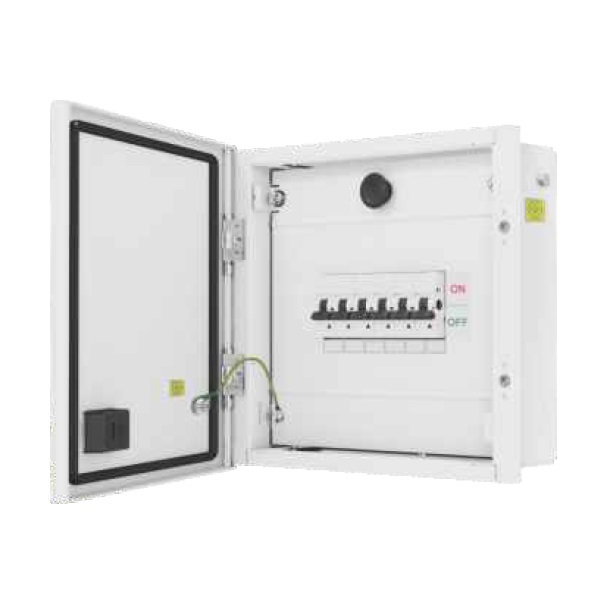
A distribution panel board provides a central point for dividing an electrical supply into outgoing circuits and arranging their protective devices. Its size and configuration affect circuit organisation, maintenance access, and the ability to accommodate future needs. A board should not be selected solely by its number of ways or exterior appearance. The supply arrangement, load schedule, fault level, cable entry, and installation environment all matter. Lauritz Knudsen Smartshop can help users explore electrical distribution products and compare specifications.
Plan the Installation Before Comparing Products
Prepare a circuit schedule before deciding on a panel. List the circuits to be supplied, their expected loads, protective devices, cable sizes, and any dedicated equipment. Allow suitable space for neutral and earth connections, cable bending, and safe access during maintenance. If the installation may expand, consider whether spare ways and physical room will be available without overcrowding the enclosure.
Write down the relevant ratings, physical constraints, and operating conditions before comparing model numbers. This makes product comparisons more meaningful and helps prevent a mismatch between the accessory and the equipment it is intended to serve.
Priorities for Panel Layout
For panel planning, the circuit schedule should determine the usable ways, protective devices, and space for wiring. Allow safe access for inspection and leave room for any justified future expansion.
Purpose of a Distribution Panel Board
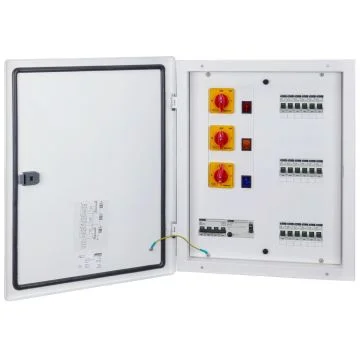
A distribution panel board divides an electrical supply into separate outgoing circuits and houses protective devices that help manage those circuits. It gives an installation a central point for circuit identification, isolation arrangements, and maintenance.
The correct panel depends on the supply type, number of circuits, expected load, fault level, environment, and space needed for safe wiring and future expansion.
Panel Configuration Checks
- Prepare a circuit schedule before choosing the enclosure.
- Check device compatibility and busbar ratings.
- Leave suitable room for wiring and future circuits.
Understanding Ways, Poles and TPN Boards
The term ‘ways’ generally refers to the available outgoing circuit positions, while TPN refers to a three-phase and neutral arrangement. A 6 way TPN distribution board may suit a particular small installation, but the number of circuits and the design requirements must be assessed first.
Do not select a board based only on the label. Confirm the incoming arrangement, compatible protective devices, rated current, enclosure requirements, and space needed for the wiring and cable bends.
Panel Configuration Checks
- Prepare a circuit schedule before choosing the enclosure.
- Check device compatibility and busbar ratings.
- Leave suitable room for wiring and future circuits.
Choosing the Enclosure and Components
Panel construction, ingress protection, material, mounting style, busbar arrangement, and compatibility with breakers all affect suitability. The board should be designed for the installation environment and installed according to the manufacturer’s instructions.
Protective devices must be coordinated with the conductors and expected fault conditions. Circuit labels should be durable, accurate, and easy for authorised users to understand.
Installation Suitability Checks
- Prepare a circuit schedule before choosing the enclosure.
- Check device compatibility and busbar ratings.
- Leave suitable room for wiring and future circuits.
Planning Load and Future Expansion
A panel should be designed around the expected demand, distribution of loads, and applicable electrical requirements. Leaving suitable spare capacity can make future changes easier, but it should not replace proper load calculation or protection design.
An electrical professional should assess load balance, conductor sizing, earthing, protective-device selection, and the need for additional protection.
Installation Suitability Checks
- Prepare a circuit schedule before choosing the enclosure.
- Check device compatibility and busbar ratings.
- Leave suitable room for wiring and future circuits.
Installation and Maintenance
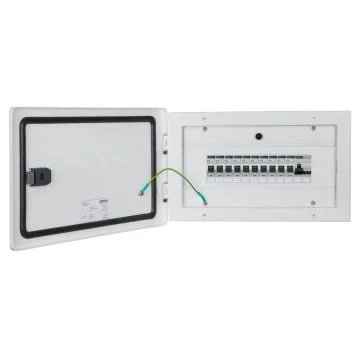
A distribution panel contains live electrical components and should not be installed or modified by an unqualified person. Safe installation includes correct termination, identification, enclosure integrity, and testing before energisation.
Lauritz Knudsen Smartshop can help users explore distribution products, but confirm the product data and have the complete installation designed and checked by a qualified electrician.
Installation Suitability Checks
- Prepare a circuit schedule before choosing the enclosure.
- Check device compatibility and busbar ratings.
- Leave suitable room for wiring and future circuits.
Mistakes That Can Lead to Poor Performance or Unsafe Selection
A board with too few usable ways can force an untidy redesign, while a much larger board may add cost and occupy unnecessary space. Another mistake is assuming that every protective device fits every panel series. Compatibility, busbar ratings, pole arrangement, enclosure protection, and the installation’s fault level must be confirmed. Circuits should be identified clearly so that isolation and maintenance can be performed without guesswork.
If a device trips repeatedly, overheats, makes unusual noise, or shows visible damage, stop relying on it until the cause has been checked. Never bypass protection or work on energised fixed wiring.
Final Checks Before Purchase and Installation
Review the board’s rated current, incoming arrangement, number of outgoing ways, neutral and earth provisions, enclosure material, mounting style, and compatible accessories. For a 6 way TPN distribution board, confirm that the three-phase and neutral arrangement matches the installation and that the available outgoing positions meet the circuit schedule. A qualified electrical professional should verify the design and installation.
Space, labelling and future service
Allow enough working space for safe cable termination and for the protective devices specified in the design. A board that is too crowded can make inspection and maintenance difficult, even if the number of ways appears adequate.
Keep an accurate circuit schedule near the board and update it after approved changes. Labels should identify the served area or equipment clearly and should not rely on informal shorthand.
Quick checklist
- Confirm cable space and device compatibility
- Label every outgoing circuit
- Update records after authorised changes
Conclusion
A suitable distribution panel board helps organise circuits and supports a safe, maintainable installation. Choose the board and protective devices according to the actual system design rather than a generic size description.