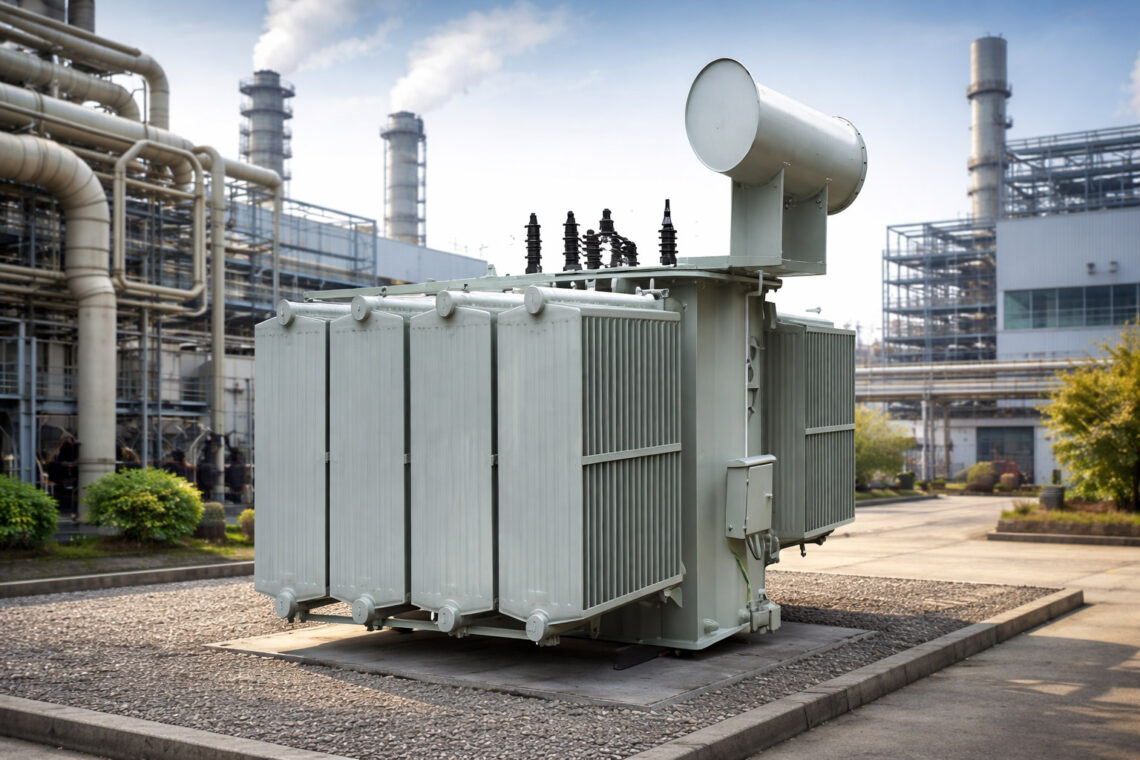
Transformers play a vital role in electrical power systems by transferring electrical energy between circuits and helping maintain suitable voltage levels for transmission and distribution. They are widely used in industrial facilities, commercial buildings, power plants, substations, and utility networks. Because transformers often operate continuously under demanding conditions, regular inspections and timely servicing are essential for maintaining their reliability transformer repair and maintenance involve inspecting equipment, identifying developing faults, testing electrical and insulating components, and carrying out necessary corrective work. A structured maintenance plan can help reduce unexpected breakdowns, improve operational safety, and extend the service life of transformer equipment.
Whether a transformer supplies power to a manufacturing unit or supports a commercial electrical network, understanding its maintenance requirements helps facility managers make informed decisions. By following established maintenance practices and working with qualified professionals, businesses can reduce avoidable downtime and maintain a more dependable power supply.
Why Is Transformer Repair and Maintenance Important?
Transformer maintenance is important because electrical, thermal, and mechanical stresses can gradually affect equipment performance. Without regular checks, minor problems such as loose connections, deteriorating insulation, oil leaks, or inadequate cooling may develop into serious faults.
A preventive maintenance programme helps identify these issues before they cause significant operational disruption.
The main benefits include:
- Improved reliability: Routine inspections help identify developing faults before they result in unexpected failures.
- Enhanced electrical safety: Checking insulation, grounding, protective devices, and connections helps reduce electrical hazards.
- Longer equipment life: Proper cooling, suitable insulation conditions, and timely repairs help limit unnecessary wear.
- Reduced downtime: Planned maintenance allows repairs to be scheduled around operational requirements.
- Better operating efficiency: Addressing abnormal connections, cooling problems, and other defects helps maintain appropriate operating conditions.
- More informed budgeting: Inspection records help maintenance teams plan repairs and replacement activities.
Transformer maintenance is not simply about fixing equipment after it fails. It is a systematic process that combines routine observation, condition assessment, testing, and corrective action.
Common Signs That a Transformer Needs Repair
Recognising early warning signs is essential for preventing equipment damage. Operators should monitor changes in transformer behaviour and report abnormalities to qualified electrical maintenance personnel.
1. Unusual Noise or Vibration
Transformers normally produce a steady humming sound during operation. However, a sudden increase in noise, irregular vibration, rattling, or unusual mechanical sounds may indicate loose components, structural problems, or changes in operating conditions.
Any significant change should be investigated rather than dismissed as normal operating noise.
2. Oil Leakage or Deterioration
Oil-filled transformers use insulating oil for electrical insulation and heat transfer. Oil leaking from a tank, valve, gasket, or radiator can affect both cooling performance and insulation reliability.
Darkened or contaminated oil may also indicate a developing problem, although oil appearance alone cannot establish its condition. Appropriate laboratory testing is often necessary.
3. Excessive Temperature
Overheating can result from overloading, restricted cooling, poor ventilation, internal faults, or problems with cooling equipment. Persistent high temperatures can accelerate insulation ageing and increase the risk of failure.
Temperature alarms and abnormal readings should be assessed according to the manufacturer’s operating limits and the transformer’s protection settings.
4. Repeated Protection Alarms or Trips
Protective relays and circuit breakers are designed to respond to abnormal electrical conditions. Repeated trips, sudden changes in current, or unusual voltage readings may indicate an underlying issue that requires investigation.
Protection systems should never be bypassed simply to keep a transformer operating.
5. Visible Damage or Corrosion
Cracked bushings, damaged cable terminations, corrosion, deteriorated seals, and loose external components can compromise equipment reliability. These defects should be documented and assessed by trained technicians.
Key Steps in Transformer Repair and Maintenance
A reliable maintenance process begins with a clear understanding of the equipment’s condition. The exact procedure depends on transformer type, voltage rating, operating environment, manufacturer recommendations, and maintenance history.
Step 1: Conduct a Visual Inspection
Visual inspections help identify external problems that may affect transformer operation. Depending on the equipment and site safety requirements, routine checks may include:
- Inspecting the tank, enclosure, seals, and gaskets for damage or leakage.
- Checking bushings and insulators for visible cracks, contamination, or tracking marks.
- Examining radiators, fans, pumps, and cooling pathways.
- Looking for corrosion, damaged cables, and loose external fittings.
- Reviewing temperature indicators, oil-level gauges, alarms, and other monitoring devices.
- Checking the surrounding area for water ingress, accumulated debris, or blocked ventilation.
Inspection findings should be recorded so that maintenance teams can compare current conditions with previous observations.
Step 2: Review Operating Conditions
Transformer performance depends on the electrical load and the surrounding environment. Maintenance teams should review load levels, temperature trends, voltage conditions, and any recorded alarms or abnormal events.
Important questions include:
- Has the transformer experienced sustained overloading?
- Are operating temperatures within the manufacturer’s limits?
- Is the cooling system working as intended?
- Have protection devices recorded unusual events?
- Have there been recent changes to connected equipment or electrical demand?
This review helps technicians distinguish routine wear from problems that require more detailed investigation.
Step 3: Perform Electrical Testing
Electrical testing helps assess the condition of transformer windings, insulation, connections, and associated components. Tests should be selected according to the equipment design and the suspected fault.
Common diagnostic tests include:
Insulation resistance testing: Evaluates the resistance of insulation between windings and between windings and earth under specified test conditions.
Winding resistance testing: Helps identify abnormal resistance that may be associated with poor connections, winding defects, or tap-changer problems.
Turns ratio testing: Checks whether the transformer winding ratio corresponds to its expected design and tap position.
Power factor or dissipation factor testing: Helps assess certain insulation characteristics and identify possible deterioration.
Protective relay testing: Verifies that relevant protection functions operate according to their specified settings and requirements.
No single test provides a complete assessment of transformer health. Results should be interpreted alongside historical readings, equipment specifications, operating conditions, and other diagnostic evidence.
Step 4: Inspect and Test Transformer Oil
For oil-filled transformers, insulating oil plays an important role in electrical insulation and heat dissipation. Oil testing can reveal information that is not apparent from an external inspection.
Depending on the transformer and the reason for testing, maintenance teams may conduct:
- Dielectric breakdown testing: Evaluates the oil’s ability to withstand electrical stress under the test method used.
- Moisture analysis: Measures water content, which can affect insulation performance.
- Dissolved gas analysis (DGA): Examines gases dissolved in the oil that may indicate overheating, partial discharge, or other internal electrical or thermal faults.
- Acidity testing: Assesses the accumulation of acidic compounds associated with oil ageing.
- Additional laboratory tests: May be used to evaluate contamination, oxidation, or other relevant oil properties.
Oil filtration, dehydration, reclamation, or replacement may be considered when test results and the manufacturer’s recommendations justify the work. These treatments are not interchangeable, and the correct option depends on the oil’s condition and the underlying cause of deterioration.
Step 5: Examine the Cooling System
Effective cooling prevents excessive temperature rise during transformer operation. Depending on the design, a transformer may use natural air cooling, forced-air fans, oil circulation, pumps, or other arrangements.
Maintenance personnel should check that cooling equipment operates correctly and that radiators and airflow paths are not obstructed. Faulty fans, damaged pumps, blocked passages, or malfunctioning temperature controls should be investigated and repaired where necessary.
Cooling maintenance must follow the manufacturer’s instructions and applicable electrical safety procedures.
Step 6: Carry Out Necessary Repairs
Repair work should address the actual cause of the problem rather than only its visible symptoms. Depending on the diagnostic findings, repairs may involve replacing damaged seals, repairing oil leaks, correcting defective connections, servicing cooling components, or undertaking more extensive internal work.
Major repairs can require specialised facilities, equipment, and trained personnel. Winding repairs, insulation replacement, core-related work, and significant internal faults may require a specialist repair workshop.
Before work begins, the transformer must be isolated and made safe using the applicable procedures. This generally includes appropriate lockout/tagout, verification of absence of voltage, and grounding where required. Internal work must never be attempted on energised equipment.
Step 7: Test Before Returning the Transformer to Service
After repairs, appropriate inspection and testing help confirm that the work has been completed correctly. The test plan should reflect the type of repair and the manufacturer’s requirements.
Depending on the work performed, checks may include:
- Confirming that tools, temporary connections, and maintenance materials have been removed.
- Inspecting repaired components and verifying connections.
- Repeating relevant electrical or insulation tests.
- Checking oil condition and levels where applicable.
- Confirming that cooling equipment and protective devices are ready for operation.
- Completing required documentation and authorisations.
Energisation should only take place after qualified personnel have confirmed that the transformer is safe and suitable for service.
Preventive Maintenance Practices for Better Transformer Performance
Preventive maintenance reduces dependence on emergency repairs by identifying potential problems early. A practical programme should be based on equipment condition, criticality, operating history, environmental exposure, and manufacturer recommendations.
Useful practices include:
- Establish an inspection schedule: Define routine checks and more detailed periodic assessments.
- Maintain accurate records: Document test results, repairs, oil analysis, alarms, and changes in operating conditions.
- Monitor temperatures and loads: Investigate sustained abnormal readings rather than relying only on occasional inspections.
- Keep cooling systems clean: Maintain suitable airflow and service fans, pumps, and radiators as required.
- Inspect electrical connections: Check for signs of overheating, deterioration, or mechanical damage using safe, approved procedures.
- Assess oil-filled equipment: Conduct oil sampling and laboratory analysis at intervals appropriate to the equipment and its condition.
- Review protection systems: Arrange suitable testing of relays, alarms, and associated protective devices.
- Plan repairs before failure: Use inspection and diagnostic findings to prioritise corrective work.
There is no universal maintenance interval that suits every transformer. A small distribution transformer operating under stable conditions may need a different maintenance approach from a heavily loaded industrial transformer exposed to dust, moisture, or temperature extremes.
Common Transformer Maintenance Mistakes to Avoid
Even a well-designed maintenance programme can become ineffective if important warning signs or procedures are overlooked.
Common mistakes include:
- Ignoring minor oil leaks: Small leaks may worsen and can indicate deteriorating seals or other mechanical problems.
- Relying only on visual inspections: Internal insulation and electrical faults may not produce visible external signs.
- Using fixed schedules without considering condition: Maintenance planning should reflect equipment requirements and diagnostic evidence.
- Replacing components without finding the root cause: A recurring fault may return if the underlying issue remains unresolved.
- Ignoring historical test results: Trends can provide valuable information that a single measurement cannot.
- Skipping post-repair checks: Repairs should be followed by appropriate verification before the equipment returns to service.
Following documented procedures and involving qualified personnel helps prevent these avoidable problems.
How to Choose a Transformer Repair and Maintenance Provider
Selecting a suitable service provider is important for both equipment reliability and workplace safety. Before appointing a contractor, consider the following factors:
- Experience with the relevant transformer type, voltage class, and repair requirements.
- Availability of suitable diagnostic equipment and testing facilities.
- Clear inspection findings, test reports, and repair documentation.
- Compliance with applicable electrical safety requirements and recognised technical standards.
- Access to appropriate replacement components and specialist repair capabilities.
- Transparent communication about the fault, recommended work, expected downtime, and follow-up testing.
A reliable provider should explain what the evidence indicates, which repairs are necessary, and whether further investigation is recommended. Avoid making decisions based only on the lowest quoted price when the scope of work and testing requirements differ.
Businesses seeking support can discuss their equipment requirements with Prabha Power and evaluate the appropriate maintenance or repair approach based on the transformer’s condition and operational needs.
Frequently Asked Questions
1. How often should a transformer be serviced?
The service interval depends on the transformer type, operating conditions, manufacturer recommendations, and maintenance history. Routine visual checks may be performed more frequently than detailed electrical testing. A qualified professional should establish a maintenance schedule suited to the specific equipment.
2. What are the most common causes of transformer failure?
Common causes include insulation deterioration, overheating, overloading, moisture ingress, winding faults, bushing problems, cooling-system failures, and electrical surges. Inadequate maintenance and environmental exposure can also contribute to equipment deterioration.
3. Can transformer oil be reused after filtration?
Transformer oil may be suitable for continued use after appropriate treatment, but filtration alone does not correct every type of oil deterioration. Moisture, acidity, dielectric properties, and other relevant indicators should be assessed through suitable testing before deciding whether treatment or replacement is appropriate.
4. What is the difference between transformer repair and preventive maintenance?
Preventive maintenance involves inspections, testing, and servicing intended to identify or reduce developing problems. Transformer repair is corrective work performed to address a confirmed fault or damaged component. Both are important parts of a comprehensive equipment management programme.
5. Is it safe to repair a transformer while it is operating?
Internal transformer repairs and most intrusive maintenance activities must not be performed on energised equipment. The transformer must be isolated, secured against accidental re-energisation, and verified safe under the applicable procedures. Only appropriately qualified personnel should perform the work.
Conclusion
Effective transformer repair and maintenance depend on regular inspections, condition-based testing, reliable records, timely corrective action, and strict adherence to electrical safety procedures. Monitoring oil quality, insulation condition, operating temperatures, cooling systems, and protection devices helps maintenance teams identify potential faults before they cause serious disruption.
Every transformer has different operating demands, so maintenance decisions should be based on equipment specifications, diagnostic results, and professional assessment rather than a one-size-fits-all schedule. With a systematic approach and appropriate technical support from providers such as Prabha Power, businesses can make better-informed maintenance decisions and work towards safer, more reliable transformer operation.