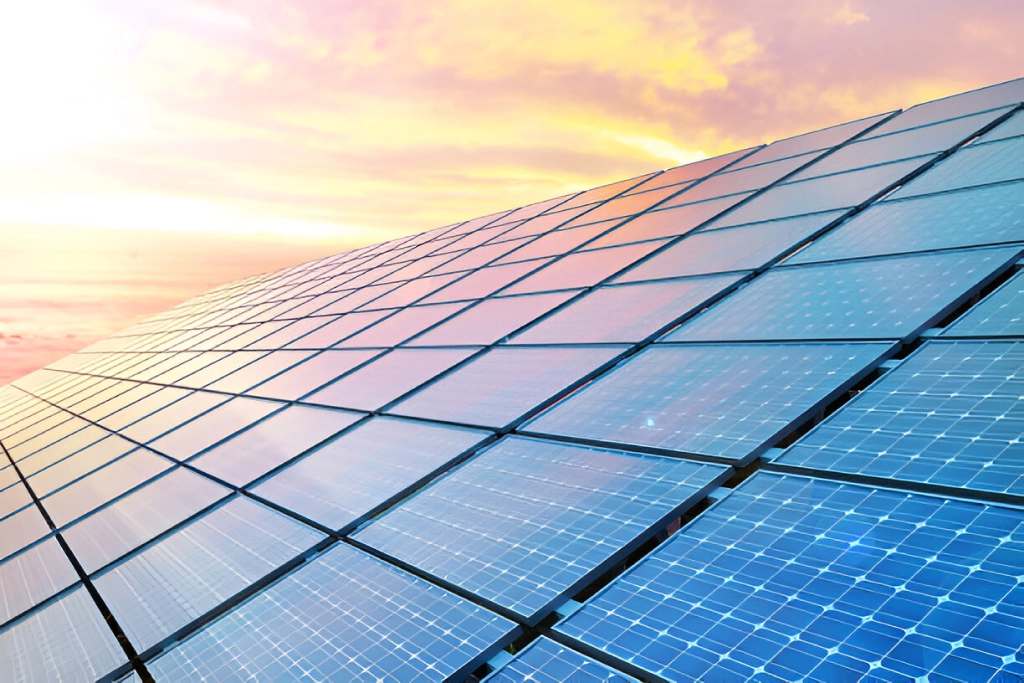
Installing rooftop solar is becoming a practical option for households looking to manage electricity expenses and use cleaner energy. In Assam, where many homes receive sufficient sunlight during different parts of the year, a well-planned solar installation can help reduce dependence on grid electricity. However, choosing the right system involves more than purchasing solar panels. Homeowners need to understand system capacity, roof conditions, installation costs, government subsidies, and maintenance requirements.
If you are searching for a reliable solar company in assam, learning the basics will help you compare providers and make an informed decision. This guide explains how rooftop solar works, what beginners should consider before installation, and how to choose a suitable system for your home.
What Is Rooftop Solar and How Does It Work?
Rooftop solar is a system that converts sunlight into electricity using photovoltaic (PV) panels installed on a building’s roof. The electricity generated can power household appliances, including lights, fans, televisions, refrigerators, and other electrical equipment.
A typical residential rooftop solar system includes:
- Solar panels: Capture sunlight and convert it into direct current (DC) electricity.
- Solar inverter: Converts DC electricity into alternating current (AC), which most household appliances use.
- Mounting structure: Secures the panels to the roof at a suitable angle.
- Wiring and safety equipment: Connect the system and help protect it against electrical faults.
- Metering equipment: Measures electricity imported from and, where applicable, exported to the grid.
The exact setup depends on the type of solar system selected and the home’s electricity requirements.
What Happens When Your Solar Panels Generate Electricity?
During daylight hours, solar panels generate electricity whenever sufficient sunlight is available. Your home can use this electricity directly, reducing the amount of power drawn from the grid. If the system produces more electricity than the household consumes, surplus power may be exported to the grid under the applicable net-metering or other approved arrangement.
At night, a typical grid-connected system without battery storage draws electricity from the utility grid. This is why understanding your consumption pattern is important before selecting a system.
Why Should Assam Homeowners Consider Rooftop Solar?
Rooftop solar can offer several benefits to homeowners in Assam, provided the system is designed for local weather conditions and household energy needs.
1. Potential Savings on Electricity Bills
Solar panels generate electricity that your household can use instead of purchasing the same amount from the grid. The actual savings depend on system capacity, sunlight availability, household consumption, electricity tariffs, and the rules governing exported electricity.
Homes that consume a significant amount of electricity during daylight hours may be able to use more of their solar generation directly.
2. Greater Use of Renewable Energy
Solar energy provides an alternative to electricity generated from conventional sources. Installing panels can help households increase their use of renewable energy while reducing their dependence on grid-supplied electricity.
3. Long-Term Household Planning
Solar panels are designed for long-term operation, although their output gradually decreases over time. A properly installed system, regular inspections, and timely maintenance can help homeowners make the most of their investment.
4. Government Subsidy Opportunities
Eligible residential consumers may receive financial assistance through India’s rooftop solar subsidy programme, subject to the current scheme guidelines. Understanding the eligibility conditions and application process can help reduce the initial cost of installation.
Types of Rooftop Solar Systems Available
Before approaching a solar installer, it helps to understand the three main types of rooftop systems.
On-Grid Solar System
An on-grid system connects your solar installation to the electricity grid. It is commonly considered by homeowners who want to reduce electricity bills without investing in battery storage.
Its main advantages include:
- Lower initial cost than many battery-based systems.
- Ability to use grid electricity when solar generation is insufficient.
- Potential to export surplus electricity through an approved arrangement.
Important: Standard grid-connected inverters generally shut down during a power outage for safety reasons. A regular on-grid system does not automatically provide backup electricity when the grid fails.
Off-Grid Solar System
An off-grid system operates independently of the utility grid and generally uses batteries to store electricity for later use.
It may be suitable for remote properties or locations where grid electricity is unavailable or unreliable. However, the battery capacity and solar array must be sized carefully to support household consumption during periods of limited sunlight.
Hybrid Solar System
A hybrid system combines solar generation with battery storage and a grid connection, where supported by the equipment and local regulations.
It can provide backup power to selected appliances during an outage, depending on the system’s design, battery charge, and backup output capacity. Hybrid systems typically cost more than comparable systems without batteries.
How to Choose the Right Solar Capacity for Your Home
The right solar capacity depends on your electricity consumption, available roof space, shading, and budget. Choosing a larger system than necessary can increase upfront costs, while an undersized system may not deliver the expected reduction in grid consumption.
As an initial reference, homeowners can compare common residential system sizes.
| Solar capacity | General suitability |
|---|---|
| 1 kW | Small households with modest electricity use |
| 2 kW | Homes with moderate electricity requirements |
| 3 kW | Many households with several common appliances |
| 5 kW or more | Homes with higher electricity consumption |
These are broad examples, not guaranteed recommendations. Actual suitability depends on appliance usage, roof conditions, and local solar generation.
Review Your Electricity Bills
Check your electricity bills from the previous 6–12 months to understand your average monthly consumption. Look at seasonal differences as well, especially if you use air conditioning, water pumps, or other high-consumption appliances.
Check Available Roof Space
Solar panels need sufficient unshaded space for installation. Nearby buildings, trees, water tanks, and other rooftop structures can reduce generation by casting shadows.
A professional site assessment can help determine the usable area, panel arrangement, and suitability of the roof structure.
Estimate Your Daytime Electricity Use
Consider how much electricity your household consumes while the sun is shining. Running suitable appliances during periods of solar generation can increase direct consumption of the electricity your panels produce.
Understanding Solar Subsidies in Assam
The central government’s PM Surya Ghar: Muft Bijli Yojana supports eligible residential households in adopting rooftop solar systems. The programme provides financial assistance according to the applicable scheme guidelines and approved installation process.
For residential consumers in Assam, the subsidy process generally involves the following steps.
- Check eligibility: Review the current scheme requirements and confirm that your electricity connection and proposed installation qualify.
- Register on the official portal: Visit the PM Surya Ghar national portal and follow the residential consumer registration process.
- Select an eligible vendor: Choose a vendor listed under the scheme for the relevant distribution utility.
- Complete the installation: Have the system installed according to the approved technical requirements.
- Complete inspection and metering: Follow the applicable inspection, commissioning, and meter installation procedures.
- Apply for the subsidy: Submit the required information and bank details through the official process.
The subsidy amount, eligibility conditions, and disbursement requirements should always be verified on the official portal because scheme rules may change.
Homeowners should also confirm local requirements with their electricity distribution utility before purchasing equipment or beginning installation.
How to Choose a Solar Company in Assam
Selecting an installer is one of the most important decisions in a rooftop solar project. A suitable provider should help you understand the technical requirements, installation process, expected generation, and long-term responsibilities.
Check Vendor Credentials
Ask whether the company is eligible to carry out installations under the relevant government scheme, if you intend to apply for a subsidy. Verify the vendor’s registration or empanelment status through official channels rather than relying only on advertisements.
Ask for a Detailed Site Assessment
A responsible installer should consider roof orientation, shading, available space, electrical infrastructure, and household consumption before recommending a system.
Be cautious of proposals that promise specific savings without reviewing your electricity bills or inspecting the property.
Compare Equipment and Warranties
Request details about the solar panels, inverter, mounting structure, and other components. Ask for written warranty information covering both equipment and installation workmanship, where applicable.
Also clarify who will handle warranty claims if a component develops a fault.
Review the Complete Quotation
A written quotation should clearly explain the system capacity, equipment specifications, installation charges, taxes, applicable subsidy assumptions, and any additional costs.
Compare quotations on the basis of equipment quality, safety provisions, service support, and expected performance—not just the lowest price.
For homeowners exploring rooftop solar options, Solar Prabha can be one of the brands to consider while researching installation requirements and comparing available solutions. As with any provider, confirm the services offered, relevant credentials, and project terms before making a commitment.
Rooftop Solar Installation: What to Expect
A residential solar installation usually follows a series of steps, although the timeline varies depending on the property, approvals, equipment availability, and utility procedures.
Step 1: Energy Assessment
The installer reviews electricity bills, appliance requirements, and the preferred system capacity.
Step 2: Roof and Technical Inspection
The roof is assessed for usable space, shading, structural suitability, and safe access. Electrical connections and equipment placement are also planned.
Step 3: System Design and Approvals
The proposed design, equipment specifications, and required utility approvals are addressed before installation proceeds.
Step 4: Panel and Inverter Installation
The mounting structure, panels, inverter, wiring, and safety equipment are installed and tested by qualified personnel.
Step 5: Inspection and Commissioning
Required inspections, metering arrangements, and grid connection procedures are completed according to local rules. The homeowner should receive operating instructions and relevant documentation.
Solar Maintenance in Assam’s Weather Conditions
Assam experiences substantial rainfall during the monsoon, along with periods of humidity and cloudy weather. These conditions make proper installation and periodic inspection especially important.
Solar panels can continue generating electricity on cloudy days, but their output is generally lower than under strong sunlight.
Homeowners should follow these maintenance practices:
- Check system performance periodically through the inverter monitoring system, if available.
- Arrange panel cleaning when dust, leaves, or other deposits noticeably affect generation.
- Ensure that drainage around the mounting structure remains unobstructed.
- Have electrical connections, mounting hardware, and protective equipment inspected by qualified personnel.
- Check for visible damage after severe storms and arrange professional repairs when needed.
Avoid climbing onto a roof or handling electrical equipment without appropriate training and safety precautions. Follow the manufacturer’s cleaning instructions and use qualified technicians for electrical maintenance.
Frequently Asked Questions
1. How much does rooftop solar cost in Assam?
The cost depends on system capacity, equipment quality, roof conditions, installation requirements, and whether battery storage is included. Government subsidies may reduce the eligible residential system’s effective cost, but homeowners should obtain a detailed quotation and verify the current subsidy rules.
2. Can rooftop solar work during Assam’s monsoon?
Yes. Solar panels can generate electricity during cloudy and rainy weather, but generation generally decreases when sunlight is limited. System sizing should account for seasonal variations rather than assuming the same output every day.
3. Is a battery necessary for a rooftop solar system?
No. A standard on-grid system usually operates without batteries and can reduce grid electricity consumption. Battery storage is worth considering if backup power is important, particularly in areas that experience frequent outages.
4. How do I apply for the PM Surya Ghar subsidy in Assam?
Eligible residential consumers can register through the official PM Surya Ghar portal, select an eligible vendor, complete the required installation and commissioning process, and submit the necessary details. Check the current guidelines and your distribution utility’s requirements before proceeding.
5. How can I choose the right solar company in Assam?
Compare vendor credentials, equipment specifications, written warranties, installation quality, service support, and complete quotations. If you want to claim a government subsidy, verify that the vendor meets the scheme’s requirements before signing an agreement.
Conclusion
Rooftop solar can be a worthwhile long-term investment for households in Assam when the system is designed around actual electricity consumption, local weather conditions, roof suitability, and budget. Understanding the differences between on-grid, off-grid, and hybrid systems also helps homeowners select an arrangement that meets their needs.
Before installing solar panels, review your electricity bills, verify subsidy eligibility, compare written quotations, and confirm the installer’s credentials. Solar Prabha is a brand homeowners can consider when exploring rooftop solar solutions, alongside other providers that meet their technical, service, and budget requirements. A careful evaluation will help you make a more informed decision about switching to solar energy.