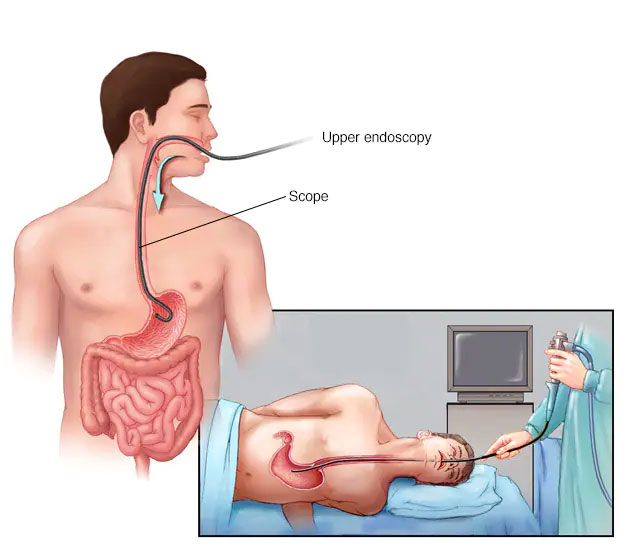
Endoscopy is an important medical procedure that helps doctors examine the digestive tract, investigate unexplained symptoms, and identify conditions that may require treatment. However, many patients feel anxious before the procedure because they are concerned about discomfort, pain, or the preparation involved. Understanding how endoscopy works and what to expect can make the experience less stressful.
Choosing a painless endoscopy hospital in Guwahati involves more than looking for a procedure that promises comfort. Patients should consider the medical team’s expertise, sedation options, safety protocols, diagnostic facilities, and the quality of care provided before and after the examination.
This guide explains the different types of endoscopy, how discomfort can be managed, when the procedure may be recommended, and how patients can prepare for a safer and more comfortable experience.
What Is Endoscopy and Why Is It Recommended?
Endoscopy is a medical procedure in which a doctor uses a thin, flexible tube fitted with a light and camera to examine internal organs. Depending on the type of examination, the instrument may be introduced through the mouth or another natural opening.
Doctors commonly recommend endoscopy to investigate digestive symptoms, detect abnormalities, collect tissue samples, and, in certain cases, perform treatment during the same procedure.
An endoscopy may be recommended for symptoms such as:
- Persistent abdominal pain or discomfort
- Frequent heartburn or acid reflux
- Difficulty swallowing
- Unexplained nausea or vomiting
- Persistent bloating or indigestion
- Suspected gastrointestinal bleeding
- Unexplained iron-deficiency anaemia
- Ongoing changes in bowel habits, depending on the examination required
Not every digestive symptom requires an endoscopy. A doctor evaluates the patient’s symptoms, medical history, examination findings, and other test results before recommending the procedure.
What Does Painless Endoscopy Mean?
Painless endoscopy generally refers to an examination performed with measures designed to reduce discomfort and anxiety. Depending on the patient’s condition, the procedure, and the hospital’s facilities, these measures may include throat anaesthetic, sedation, or other appropriate comfort techniques.
It is important to understand that no procedure can be guaranteed to be completely painless for every patient. Some people experience little discomfort, while others may notice pressure, gagging, temporary bloating, or mild soreness.
How Sedation Can Improve Patient Comfort
Sedation involves administering medication to help a patient feel relaxed or sleepy during a procedure. The level of sedation varies according to the patient’s needs and the procedure being performed.
When appropriate, sedation may help reduce anxiety and make upper gastrointestinal endoscopy easier to tolerate. The medical team determines whether sedation is suitable after considering factors such as existing health conditions, medications, allergies, and the patient’s previous experiences with anaesthesia or sedation.
Sedation also requires appropriate monitoring and trained personnel. Patients should ask the hospital what sedation options are available and how their breathing, oxygen levels, and other vital signs will be monitored.
Is Endoscopy Possible Without Sedation?
Yes, many endoscopies can be performed without sedation. Some patients prefer this option, and its suitability depends on the procedure, individual tolerance, and clinical circumstances.
For an upper endoscopy, a local anaesthetic spray may be used to reduce the gag reflex. Patients should discuss the advantages and limitations of sedation-free endoscopy with their doctor rather than assuming one approach is best for everyone.
Types of Endoscopy Used to Examine the Digestive System
Different endoscopic procedures help doctors investigate different parts of the digestive tract.
1. Upper Gastrointestinal Endoscopy
Upper gastrointestinal endoscopy, also called gastroscopy or upper GI endoscopy, examines the oesophagus, stomach, and the first part of the small intestine.
It may help investigate persistent upper abdominal discomfort, swallowing difficulties, reflux symptoms, suspected ulcers, and certain causes of gastrointestinal bleeding. During the examination, the doctor may collect a small tissue sample, known as a biopsy, when medically indicated.
2. Colonoscopy
A colonoscopy examines the large intestine using a flexible instrument inserted through the rectum. It may be recommended to investigate rectal bleeding, persistent bowel changes, unexplained anaemia, or other concerns involving the colon.
Colonoscopy is also used for colorectal cancer screening in appropriate patients. During the procedure, doctors may remove certain polyps or collect tissue samples when necessary.
3. Other Diagnostic Endoscopic Procedures
Depending on the symptoms and suspected condition, doctors may recommend other specialised procedures to examine particular areas of the digestive system or nearby organs.
The appropriate examination depends on the clinical question being investigated. Patients should confirm which procedure has been recommended, why it is necessary, and whether any alternatives are suitable for their circumstances.
How to Choose a Painless Endoscopy Hospital in Guwahati
Selecting a hospital for endoscopy requires careful consideration of patient safety, diagnostic capabilities, communication, and follow-up care.
Check the Medical Team’s Experience
Look for a hospital where qualified doctors can explain why the procedure is necessary, discuss potential risks, and answer questions clearly. Experience with the relevant type of endoscopy is important because different procedures require different skills and clinical decisions.
Patients should feel comfortable discussing their symptoms, medical history, and concerns without feeling rushed.
Ask About Sedation and Monitoring
If you are concerned about pain or anxiety, ask whether sedation or local anaesthetic options are available. Find out who administers sedation, how you will be monitored, and what recovery arrangements are provided.
Patients with heart or lung conditions, sleep-related breathing disorders, medication allergies, or previous reactions to sedation should disclose this information before the procedure.
Understand Hygiene and Safety Practices
Endoscopic instruments require careful cleaning and high-level disinfection or reprocessing according to established infection-prevention standards. The hospital should follow appropriate protocols for equipment handling, patient identification, monitoring, and emergency preparedness.
You can ask the care team how it maintains infection control and what safety measures apply to your procedure.
Review Diagnostic and Follow-Up Services
Endoscopy is often only one part of the diagnostic process. Depending on the findings, patients may need biopsy results, medication, further investigations, or a follow-up consultation.
A hospital that explains how results will be communicated and what happens next can help patients make informed decisions about their care.
For individuals comparing local options, Dispur Polyclinic and Hospitals Pvt Ltd is a healthcare provider to consider when enquiring about endoscopy services in Guwahati. Patients should contact the hospital directly to confirm the availability of the required procedure, sedation options, specialist consultation, and associated facilities.
How to Prepare for an Endoscopy
Proper preparation helps the medical team perform the procedure safely and obtain useful results. The exact instructions depend on the type of endoscopy and the patient’s health.
Before your appointment, follow these steps.
1. Follow the fasting instructions.
For an upper endoscopy, you will generally need to avoid food and liquids for a specified period. The hospital should provide exact instructions based on your appointment and planned sedation.
2. Share your medical history.
Inform the doctor about existing health conditions, previous operations, allergies, pregnancy where applicable, and any previous problems with sedation or anaesthesia.
3. Discuss your medications.
Blood thinners, diabetes medications, and other prescribed medicines may require special instructions. Do not stop or change any medication without guidance from your treating clinician.
4. Follow bowel preparation instructions if having a colonoscopy.
A colonoscopy usually requires bowel cleansing so the doctor can see the lining of the colon clearly. Follow the prescribed preparation schedule and ask the hospital what to do if you cannot complete it.
5. Arrange transport if sedation is planned.
Sedation can temporarily affect alertness, coordination, and decision-making. You may need a responsible adult to accompany you home, and you should follow the hospital’s instructions about driving, work, and other activities afterward.
If you are unsure about any preparation instruction, contact the hospital before the appointment rather than making assumptions.
What Happens During and After the Procedure?
Understanding the process can reduce uncertainty and help patients feel more prepared.
During Endoscopy
The care team will usually confirm your identity, medical history, consent, and preparation before starting. Depending on the procedure, you may receive a throat anaesthetic, sedation, or other comfort measures.
For an upper endoscopy, the doctor gently passes the endoscope through the mouth into the upper digestive tract. You may notice pressure or a gagging sensation, but the team can guide you through the process. The procedure is generally relatively brief, although the duration varies according to its purpose and complexity.
Recovery After Endoscopy
After the examination, patients are monitored until the medical team considers them ready for discharge. If sedation was used, recovery may take longer, and the effects can continue after leaving the hospital.
Temporary throat irritation, mild bloating, or passing gas may occur, depending on the procedure. Your doctor will explain when you can resume eating, drinking, and normal activities.
Seek urgent medical attention if you experience severe or worsening abdominal or chest pain, significant bleeding, difficulty breathing, fever with concerning symptoms, or persistent vomiting after the procedure. These symptoms should not be dismissed as routine recovery effects.
Common Concerns Patients Should Discuss With Their Doctor
Patients often worry about pain, complications, and what the results might reveal. An open conversation with the medical team can help address these concerns.
Endoscopy is generally considered safe when appropriately indicated and performed by trained professionals, but it is not entirely risk-free. Potential complications vary by procedure and may include bleeding, reactions to sedatives, infection, or, rarely, injury to the digestive tract.
The risk may differ depending on the patient’s health, the type of examination, and whether additional treatment is performed. Ask your doctor to explain the benefits, relevant risks, and available alternatives in the context of your situation.
It is also helpful to ask when results will be available. Some findings may be discussed immediately, while biopsy results can take additional time.
Frequently Asked Questions
1. Is painless endoscopy completely free from pain?
Not necessarily. Sedation, throat anaesthetic, and appropriate procedural techniques can reduce discomfort, but the experience varies between patients. Your doctor can explain which comfort options are appropriate for your procedure.
2. How long does an endoscopy take?
A routine upper endoscopy often takes around 5–15 minutes, although preparation and recovery add time to the appointment. More complex examinations may take longer, and the duration of a colonoscopy varies according to the findings and any treatment required.
3. Can I eat normally after an endoscopy?
You can generally return to eating once the medical team confirms it is safe. If throat anaesthetic was used, you may need to wait until normal swallowing sensation returns. Follow any additional instructions provided after sedation or other interventions.
4. Is sedation necessary for every endoscopy?
No. Some procedures can be performed without sedation, while others may be more comfortable with it. The decision depends on the type of examination, the patient’s preferences, medical history, and the clinical team’s assessment.
5. How do I choose a painless endoscopy hospital in Guwahati?
Consider the medical team’s qualifications, available sedation options, patient monitoring, infection-control practices, diagnostic facilities, and follow-up arrangements. Contact the hospital directly to confirm its services and discuss any medical concerns before booking.
Conclusion
Choosing a suitable endoscopy facility involves balancing comfort with accurate diagnosis, patient safety, and reliable follow-up care. Understanding the procedure, following preparation instructions, and discussing sedation options with a qualified doctor can make the experience more manageable.
For patients exploring endoscopy services in Guwahati, Dispur Polyclinic and Hospitals Pvt Ltd can be contacted to enquire about available procedures, consultation arrangements, patient preparation, and recovery guidance. The most appropriate choice is one that addresses your individual medical needs and provides clear information throughout the care process.