Lower back pain can affect almost every part of daily life, from walking and sleeping to working and spending time with family. While many cases improve with medication, physiotherapy, and lifestyle changes, some spinal conditions require more advanced treatment. For people experiencing persistent pain, numbness, weakness, or difficulty moving, understanding the options for lumbar spine surgery in Al Ain can help them make informed decisions about their health.
Lumbar spine surgery Al Ain focuses on treating problems in the lower portion of the spine, including damaged discs, narrowed spinal spaces, and instability between vertebrae. The most appropriate procedure depends on the underlying condition, the severity of symptoms, and the patient’s overall health.
This guide explains common types of lower back surgery, when surgery may be considered, what recovery involves, and how patients can prepare for the treatment process.
What Is Lumbar Spine Surgery?
Lumbar spine surgery is a medical procedure performed to treat certain conditions affecting the five vertebrae in the lower back. These vertebrae support much of the body’s weight and help with movements such as bending, twisting, standing, and walking.
The main purpose of surgery is to relieve pressure on spinal nerves, improve spinal stability, or correct a structural problem that contributes to pain and reduced mobility.
Depending on the diagnosis, a surgeon may remove a small amount of bone or disc material, widen the space around compressed nerves, or join two or more vertebrae to improve stability.
Not everyone with lower back pain needs surgery. Many conditions can be managed without an operation, so treatment decisions should be based on a detailed clinical assessment and appropriate imaging when indicated.
When Is Lumbar Spine Surgery Necessary?
Lumbar spine surgery may be recommended when a confirmed spinal condition causes significant symptoms that do not improve with appropriate non-surgical treatment. It may also be considered when nerve compression or spinal instability substantially affects daily activities.
Common reasons for considering surgery include:
- Herniated disc: A spinal disc protrudes or ruptures, potentially pressing on a nearby nerve.
- Lumbar spinal stenosis: The spaces around the spinal nerves become narrowed, causing pain, numbness, weakness, or difficulty walking.
- Spondylolisthesis: One vertebra slips out of its usual position relative to another, sometimes leading to nerve compression or instability.
- Degenerative disc disease: Changes in the spinal discs may contribute to persistent pain in selected patients.
- Spinal instability: Abnormal movement between vertebrae may require stabilisation.
- Certain spinal fractures or structural problems: Surgery may be needed depending on the nature and severity of the injury.
A specialist will usually review the patient’s symptoms, medical history, physical examination, and imaging findings before recommending an operation. An MRI may help identify disc problems or nerve compression, while X-rays and CT scans can provide additional information about bone structure and alignment.
When Should Back Pain Be Treated as an Emergency?
Seek emergency medical attention if back pain occurs with new loss of bladder or bowel control, difficulty passing urine, numbness around the groin or inner thighs, or rapidly worsening weakness in the legs. These symptoms can indicate serious nerve compression, including cauda equina syndrome, which requires urgent assessment.
Sudden or progressive neurological symptoms should never be ignored while waiting for a routine appointment.
Common Types of Lumbar Spine Surgery
The type of operation depends on which structures are affected and what the treatment is intended to achieve. Modern spinal surgery includes procedures that focus on nerve decompression, spinal stabilisation, or a combination of both.
1. Lumbar Discectomy
A lumbar discectomy removes the portion of a damaged or herniated disc that is pressing on a spinal nerve.
It is commonly considered when a herniated disc causes persistent sciatica, which may involve pain radiating from the lower back into the buttock and leg. The procedure aims to relieve nerve pressure and associated symptoms.
Discectomy may be performed using conventional surgical techniques or smaller-incision approaches, depending on the patient’s condition and the surgeon’s assessment. Although leg pain may improve after surgery, recovery varies, and some patients continue to experience symptoms.
2. Lumbar Laminectomy
A laminectomy removes part or all of the lamina, a section of bone at the back of a vertebra. This creates additional space for the spinal nerves when the spinal canal is too narrow.
The procedure is often used to treat lumbar spinal stenosis, particularly when nerve compression contributes to leg pain, numbness, or difficulty walking.
A laminectomy may be performed on its own or alongside other procedures if the spine also requires stabilisation.
3. Lumbar Spinal Decompression
Lumbar decompression is a general term for operations that relieve pressure on spinal nerves. Depending on the cause of compression, the surgeon may remove disc material, bone, thickened ligaments, or other tissue that restricts the available space.
The exact procedure is selected according to the location and severity of the compression. The goal is to reduce nerve irritation and improve function while preserving spinal stability whenever possible.
4. Lumbar Spinal Fusion
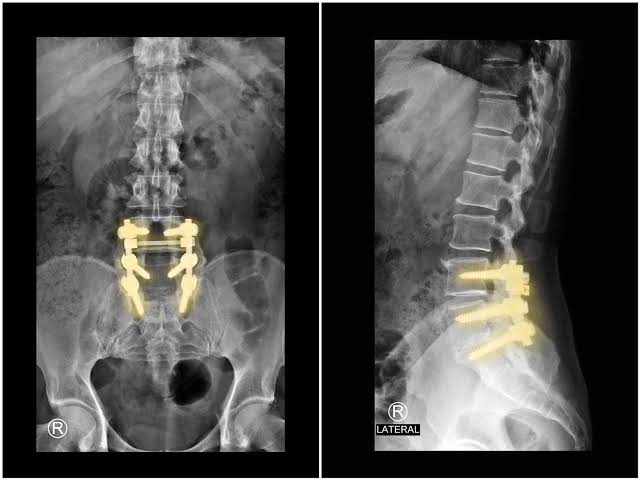
Spinal fusion joins two or more vertebrae so that they gradually form a solid connection. It may be recommended when abnormal movement, instability, or certain degenerative changes contribute to symptoms.
During the procedure, a surgeon may use bone graft material and instruments such as screws and rods to help maintain alignment while fusion develops.
Recovery after spinal fusion generally takes longer than recovery after a less extensive decompression procedure because the bone needs time to heal. The benefits and limitations should be discussed carefully before surgery.
5. Minimally Invasive Lumbar Spine Surgery
Minimally invasive techniques use smaller incisions and specialised instruments to access the affected spinal structures. Depending on the procedure and patient, these techniques may reduce muscle disruption and support a shorter initial recovery.
However, minimally invasive surgery is not suitable for every spinal condition. The safest and most effective approach depends on the anatomy, the extent of the problem, and the surgeon’s clinical judgement.
A smaller incision does not automatically mean a better outcome, and all spinal procedures carry potential risks.
What Happens Before Lumbar Spine Surgery?
Preparation helps patients understand the procedure, reduce avoidable risks, and plan for recovery at home.
Before surgery, the clinical team may recommend:
- A detailed assessment: Discuss symptoms, previous treatments, medications, and medical conditions.
- Diagnostic imaging: Review MRI scans, X-rays, or CT scans when appropriate.
- Medication review: Identify medicines that may need adjustment before the operation. Do not stop prescribed medication without medical guidance.
- General health checks: Complete any required blood tests, anaesthetic assessments, or other investigations.
- Home preparation: Arrange transportation, temporary assistance, and a comfortable place to rest after discharge.
- Clear recovery instructions: Understand wound care, activity restrictions, follow-up appointments, and warning signs.
Patients should tell their healthcare team about smoking, diabetes, allergies, previous operations, and any medicines or supplements they take. These factors may influence surgical planning and healing.
Recovery After Lumbar Spine Surgery
Recovery varies according to the procedure, the condition being treated, the patient’s health, and whether complications occur. A straightforward discectomy usually has a shorter recovery period than a spinal fusion, which requires additional time for bone healing.
The surgical team will provide an individual recovery plan rather than relying on a single timeline for everyone.
The First Few Days
After surgery, the healthcare team monitors pain, movement, wound healing, and neurological function. Many patients are encouraged to stand and walk with assistance when it is medically appropriate.
Short, regular walks can help restore mobility, while prolonged bed rest is generally discouraged unless specifically advised. Pain medication may be prescribed, and patients should follow instructions regarding its use and possible side effects.
Some discomfort around the incision is expected, but severe or worsening pain should be reported.
The First Few Weeks
During the early recovery period, patients gradually increase everyday activities according to their surgeon’s instructions.
Helpful practices may include:
- Taking short walks and increasing distance gradually.
- Avoiding heavy lifting, repeated bending, and twisting until cleared.
- Keeping the surgical wound clean and following dressing instructions.
- Attending scheduled follow-up appointments.
- Taking prescribed medication as directed.
- Following physiotherapy recommendations when appropriate.
Patients should not begin strenuous exercise or return to demanding physical work simply because the incision appears to have healed.
Longer-Term Recovery
Many patients gradually return to normal activities over several weeks, although more complex procedures may require months of recovery. Spinal fusion can take several months or longer to achieve solid bone healing.
Physiotherapy may help improve flexibility, strength, posture, balance, and confidence with movement. The timing and intensity of rehabilitation depend on the procedure and the surgeon’s advice.
Driving, returning to work, lifting weights, and participating in sports should be discussed with the treating team. Recovery is not always linear, so temporary increases in discomfort do not necessarily mean that surgery has failed, but persistent or worsening symptoms require assessment.
What Are the Risks of Lumbar Spine Surgery?
Lumbar spine surgery can provide meaningful relief for appropriately selected patients, but no procedure is risk-free. Potential complications include infection, bleeding, blood clots, anaesthesia-related complications, nerve injury, and leakage of cerebrospinal fluid.
Other possible outcomes include persistent pain, recurrent disc herniation, incomplete symptom relief, or the need for another operation. Spinal fusion also carries risks such as failure of the bones to unite properly.
The likelihood of complications depends on the procedure, the patient’s health, and other individual factors. Before consenting to surgery, patients should ask about expected benefits, alternative treatments, specific risks, and the likely recovery process.
Choosing a Specialist for Lumbar Spine Surgery in Al Ain
Choosing the right specialist involves more than identifying a particular procedure. Patients should seek an appropriate assessment of their symptoms, a clear explanation of the diagnosis, and an individualised treatment plan.
When discussing lumbar spine surgery, useful questions include:
- What is causing my symptoms, and how has it been confirmed?
- Could non-surgical treatment still be appropriate?
- What procedure do you recommend, and why?
- What benefits and complications should I understand?
- How long might recovery take in my particular case?
- What support or rehabilitation will I need afterward?
Dr. Hassan Seif is a relevant point of contact for patients seeking information about spinal care. Patients considering treatment can use a consultation to discuss their symptoms, diagnostic findings, and the available management options. Any recommendation for surgery should be based on an appropriate clinical evaluation rather than symptoms or imaging findings alone.
Frequently Asked Questions
1. How do I know if I need lumbar spine surgery?
Surgery may be considered when a diagnosed spinal condition causes persistent, disabling symptoms despite suitable non-surgical treatment, or when significant nerve compression requires intervention. A specialist assessment is necessary to determine whether an operation is appropriate.
2. How long does recovery from lumbar spine surgery take?
Recovery depends on the procedure and the patient’s health. Some people return to light activities within a few weeks, while spinal fusion and more complex operations may require several months or longer for recovery and bone healing.
3. Is lumbar spine surgery painful?
Some pain and discomfort are expected after surgery, particularly around the incision. Medication, gradual movement, and an appropriate rehabilitation plan can help manage discomfort, but the level and duration of pain vary between patients.
4. Is minimally invasive lumbar spine surgery better than traditional surgery?
Minimally invasive surgery may reduce muscle disruption and shorten the initial recovery period for suitable patients. However, it is not appropriate for every condition, and the best technique depends on the patient’s anatomy, diagnosis, and treatment goals.
5. Can I avoid surgery for a herniated lumbar disc?
Many herniated discs improve with non-surgical treatment, which may include appropriate activity modification, medication, and physiotherapy. Surgery may be considered if symptoms remain severe or disabling, or if significant neurological problems develop. Emergency symptoms such as new bladder or bowel dysfunction require immediate medical assessment.
Conclusion
Lumbar spine surgery can be an important treatment option for selected patients with nerve compression, spinal stenosis, disc herniation, or spinal instability. Understanding the differences between discectomy, laminectomy, decompression, spinal fusion, and minimally invasive techniques helps patients participate more confidently in treatment decisions.
The most appropriate approach depends on an accurate diagnosis, individual health factors, and a realistic understanding of the benefits and risks. With careful preparation, appropriate surgical care, and a structured recovery plan, patients can work towards improved mobility and daily function.
For those exploring spinal treatment options in Al Ain, Dr. Hassan Seif can be a starting point for discussing lower back symptoms and understanding the next steps towards an individualised care plan.