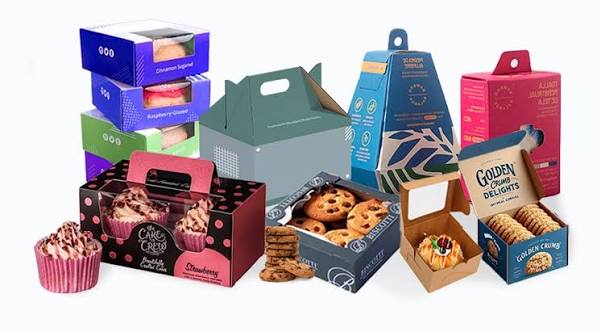
Bakery products are often judged by their appearance before customers take the first bite. Freshly baked bread, decorated cakes, pastries and individual desserts all benefit from packaging that keeps them presentable and makes them easier to carry. The right box also gives bakeries an opportunity to communicate their brand through colours, logos and thoughtful design.
Different baked goods need different packaging. A decorated cake requires a stable base and enough space to protect its finish, while pastries may need packaging that helps manage grease and moisture. Bread has its own requirements because the packaging should suit its texture and the way it will be stored or sold.
For bakeries, cafés and food retailers, Custom Bakery Packaging UK can be planned around the products being sold, whether they are intended for takeaway, retail display, gifting or delivery. Box dimensions, material choice and printing should work together to protect the baked goods while creating a presentation that reflects the business.
Matching Boxes to Baked Goods
No single box style works equally well for every bakery product. Cakes need enough height and a firm base to reduce movement, particularly when they have delicate decorations. Cupcakes may need individual inserts to keep them upright, while cookies and brownies benefit from a close-fitting design that helps limit breakage.
The material should also suit the food. Products containing butter, oil or moist fillings may require suitable grease-resistant or moisture-resistant packaging. Where food touches the packaging directly, the board, coating and other materials must be appropriate for that intended contact. Choosing based on the product’s actual needs helps avoid problems during storage and transport.
Dessert Boxes for Cakes and Treats
Desserts often rely on their appearance to attract customers, so packaging should protect their presentation without hiding the product unnecessarily. Cakes, brownies, pastries, doughnuts and individual treats may need different sizes, inserts or closures. A window can be useful when customers want to see the dessert before purchasing it, provided the overall structure still offers suitable protection.
Custom Dessert Boxes Wholesale can be designed around the shape and dimensions of the product. A box for a single dessert may need a compact footprint, while a mixed treat selection may require dividers or a larger internal layout. For delivery orders, a secure closure and an appropriately strong base can help reduce movement and keep the contents in better condition.
Building a Recognisable Bakery Brand
Packaging is part of the customer experience, especially when people carry baked goods from a shop or receive them at home. Consistent colours, readable typography and a well-placed logo help customers recognise the bakery. The design can be simple and understated or more colourful, depending on the products and the audience.
A cohesive packaging range can also make a business look more organised. Using related design elements across cake boxes, dessert cartons and bread packaging helps connect different products to the same brand. Important information should remain legible, and decorative details should not make the packaging difficult to understand or use.
Choosing Bread Boxes
Bread packaging needs to account for the type of loaf and how it will be sold. Crusty artisan bread, soft sliced loaves, rolls and baguettes do not all behave in the same way after baking. The packaging should support the product’s intended storage and presentation rather than simply enclosing it tightly.
Custom Bread Boxes Wholesale can be selected according to loaf dimensions, weight and the intended sales format. A box may be suitable for certain bread products, while a paper bag or another breathable format may be more appropriate for others. Bread should generally be allowed to cool before being enclosed, since trapped steam can create condensation and soften a crust.
Packaging for Collection and Delivery
Bakery orders can be handled several times before reaching the customer. Boxes should be easy for staff to assemble and pack, close securely and remain stable during normal handling. For larger orders, separating products into suitable packages can make carrying and distribution easier.
Delivery requires extra consideration. Tall cakes and decorated desserts may need inserts or additional support to reduce movement, while lighter items should be packed so they do not slide around inside the box. The packaging should be tested with the actual product and delivery process where possible, as a design that works on a shop counter may not be suitable for a longer journey.
Materials and Practical Details
Cardboard and paperboard are common choices for bakery packaging because they can be formed into different box styles and printed with custom artwork. Corrugated board may be useful where additional strength is needed, while other food-contact-suitable materials can be selected according to the product. The correct option depends on weight, moisture, grease exposure and whether the food touches the material directly.
Businesses should also consider storage space and packing speed. Boxes supplied flat can reduce storage requirements before assembly, while a straightforward closure can make busy service periods easier to manage. The design should balance appearance with practical details such as stacking, handling and ease of opening.
Food Information and Responsible Packaging
When food is packaged for sale, the information required on the packaging depends on how the product is sold and the applicable rules. For example, UK guidance requires appropriate ingredient and allergen information for many packaged foods. Bakery businesses should check the requirements for their specific products and ensure that mandatory information is clear and easy to read.
Material choices also deserve attention. Businesses can review box dimensions to avoid unnecessary packaging and consider materials that can be recycled through local facilities. Recyclability depends on the complete package, including coatings, windows, adhesives and any attached components, so claims should reflect the actual materials used.
Planning Your Bakery Packaging Order
Before ordering, measure the products carefully and decide which box styles are needed for each category. Consider the required height, base strength, inserts, windows and printed artwork. If several products share a design, make sure each size still fits its contents properly.
Reviewing a sample can help identify problems with assembly, closure, product fit and presentation before a larger production run. It is also useful to check the printed design at its final size, especially where ingredients, allergens or other product details need to be included. A little planning can help reduce waste and make day-to-day packing more efficient.
FAQs
What packaging is best for cakes and desserts?
The best option depends on the size, weight and decoration of the dessert. Cakes often need a stable base and enough height, while individual treats may use compact cartons or boxes with inserts.
Are windowed dessert boxes a good choice?
Windowed boxes can help customers see the product without opening the package. The window and surrounding structure should still be suitable for the product’s protection, handling and intended food-contact requirements.
How should fresh bread be packaged?
Bread packaging should suit the loaf and its desired texture. Breathable paper packaging can suit crusty bread, while other formats may be better for soft or prepacked loaves. Allowing bread to cool before packaging can help prevent condensation.
Can bakery packaging be printed with a logo?
Yes. Depending on the material and production method, packaging can include a logo, brand colours, product details and other artwork. The design should remain clear and appropriate for the intended use.
Conclusion
Good bakery packaging protects the product, supports convenient handling and gives customers a clear impression of the business behind the bake. Dessert boxes help present delicate treats, bread boxes can suit particular loaf formats, and a consistent packaging range brings the brand together. By matching materials and structures to each product, UK bakeries can create packaging that looks appealing and works well in everyday service.