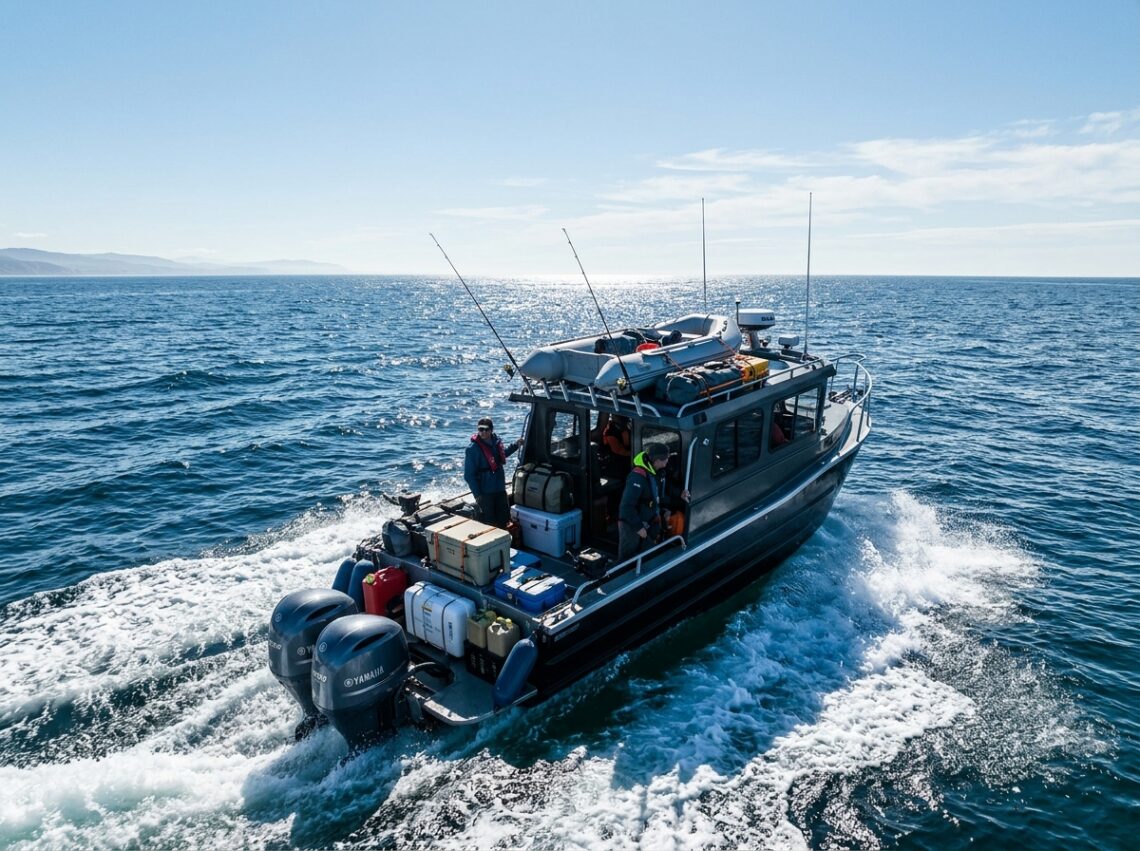
Planning a long-distance boating trip requires more than choosing a destination and preparing your supplies. Your boat’s engine must be reliable, fuel-efficient, and capable of handling extended periods of operation. Whether you are exploring coastal waters, traveling between islands, or enjoying extended recreational cruises, selecting the right outboard motor is essential for a comfortable and dependable journey.
A suitable engine can improve performance, reduce unnecessary fuel expenses, and provide the confidence needed when traveling farther from shore. Understanding engine specifications, maintenance requirements, and preparation techniques can help you avoid common problems and enjoy a smoother boating experience.
1. Choose an Engine That Matches Your Boat
The foundation of a successful long-distance journey is selecting an engine that matches your vessel’s specifications. An underpowered motor may struggle when carrying passengers, fuel, and additional equipment. An oversized engine, meanwhile, can create handling and safety concerns if it exceeds the manufacturer’s recommended limits.
Start by checking your boat’s maximum horsepower rating, recommended engine weight, and transom specifications. Consider the total weight of passengers, supplies, fishing equipment, and fuel that you expect to carry.
When comparing outboard motors for sale, focus on compatibility rather than horsepower alone. The right engine should provide sufficient power for your boat without compromising stability or operating efficiency.
For longer journeys, reliability and consistent performance should be among your highest priorities.
2. Prioritize Fuel Efficiency for Extended Trips
Fuel planning becomes particularly important when traveling long distances by boat. Unlike short recreational trips, extended journeys may involve several hours of continuous engine operation and limited opportunities to refuel.
Fuel efficiency depends on multiple factors, including engine design, boat weight, cruising speed, hull condition, and water conditions.
Modern four-stroke outboard motors are often preferred for recreational cruising because many models provide smooth operation and competitive fuel economy. Electronic fuel injection can also help regulate fuel delivery under different operating conditions.
Before departure, estimate your expected fuel consumption and identify suitable refueling locations along your route. Always carry an appropriate reserve rather than calculating fuel requirements based only on the distance to your destination.
Avoid operating continuously at maximum throttle unless necessary. A suitable cruising speed can often provide a better balance between travel time and fuel consumption.
3. Consider Modern Engine Technology
Marine engine technology has improved considerably, giving boat owners access to features that support more convenient and efficient operation.
Many new outboard engines include electronic fuel injection, digital monitoring systems, improved cooling arrangements, and advanced engine management technology.
These features can help maintain consistent performance and provide useful information about engine operating conditions. Depending on the model, digital instruments may display engine temperature, operating hours, fuel consumption, and warning indicators.
For boat owners planning frequent long-distance trips, these monitoring features can be particularly valuable. They make it easier to identify potential problems and monitor the engine during extended journeys.
When comparing modern engines, also consider warranty coverage, servicing requirements, spare parts availability, and the accessibility of qualified marine technicians.
4. Inspect Your Engine Before Departure
A detailed inspection before a long-distance journey can help prevent unexpected mechanical problems.
Even a reliable engine can develop issues if important components are neglected. Before leaving, inspect the following areas:
- Fuel system: Check fuel lines, connections, filters, and the condition of the fuel.
- Cooling system: Confirm that water circulation is functioning correctly.
- Propeller: Look for damaged blades, cracks, or fishing line wrapped around the shaft.
- Electrical system: Inspect battery connections, wiring, and starting components.
- Lubrication: Check oil levels and follow the manufacturer’s maintenance schedule.
- Mounting hardware: Confirm that the engine is securely attached to the transom.
If you notice unusual noises, vibration, fluid leaks, or starting difficulties, have the motor inspected before departure.
It is also sensible to carry essential spare items and basic tools appropriate for your engine.
5. Plan Your Fuel Supply and Emergency Reserves
Running out of fuel far from shore can turn an enjoyable journey into a serious situation. Proper fuel planning should therefore be part of every long-distance boating trip.
Calculate your expected fuel consumption based on the distance, cruising speed, engine specifications, and anticipated water conditions. Remember that strong winds, waves, currents, and additional passenger weight can increase fuel consumption.
A useful boating safety guideline is the one-third fuel rule:
- One-third of your fuel for the outward journey.
- One-third for the return journey.
- One-third reserved for unexpected situations.
Use suitable marine fuel containers and inspect tanks, hoses, and connections for leaks. Never ignore the smell of fuel or signs of damaged fuel lines.
NSW Government+1
6. Prepare Essential Spare Parts and Equipment
Even well-maintained engines can experience unexpected problems. Carrying basic spare parts and tools can make it easier to deal with minor mechanical issues while traveling.
Depending on your engine model, useful items may include:
- Spare spark plugs and the appropriate tools.
- Spare fuel filters.
- A suitable propeller or propeller repair equipment.
- Basic mechanical tools.
- Emergency starting equipment.
- Spare fuses and essential electrical components.
You should also carry a first-aid kit, communication equipment, navigation tools, life jackets, and other safety equipment required for your boating environment.
Having these supplies available can make a significant difference when assistance is not immediately accessible.
7. Consider a Carefully Inspected Used Engine
Purchasing a second-hand motor can be an economical option for boat owners who want to upgrade without making a substantial investment.
However, long-distance boating places considerable demands on an engine, making its mechanical condition especially important.
When considering a used outboard, pay attention to its operating hours, service history, cooling system, fuel system, and overall condition.
Ask the seller about previous repairs and maintenance. Check for corrosion, unusual engine noises, oil leaks, and signs of overheating.
A professional mechanical inspection is particularly worthwhile when purchasing an engine intended for extended journeys. A lower purchase price is not necessarily a good deal if the motor requires expensive repairs shortly after installation.
8. Perform Regular Maintenance During Your Journey
Maintenance should not stop once your boat leaves the dock. For extended trips, periodically monitor the engine and check for unusual changes in performance.
Pay attention to engine temperature, cooling water flow, vibration, and unusual sounds. Inspect fuel connections and check for visible leaks whenever it is safe to do so.
After operating in saltwater, flush the engine with fresh water according to the manufacturer’s instructions. Salt deposits can accumulate in cooling passages and contribute to corrosion.
Follow the manufacturer’s service schedule for oil changes, gear lubricant, filters, and other essential components.
Transport WA+2
Conclusion
Preparing for a long-distance boating journey requires careful planning, a reliable engine, and proper attention to safety. Choosing an appropriate outboard motor, monitoring fuel consumption, inspecting essential components, and carrying emergency supplies can help reduce the risk of unexpected problems.
Whether you are purchasing a modern engine or considering a pre-owned model, prioritize compatibility, reliability, and maintenance history. With the right preparation and equipment, you can enjoy more comfortable journeys and get greater value from your boating investment.