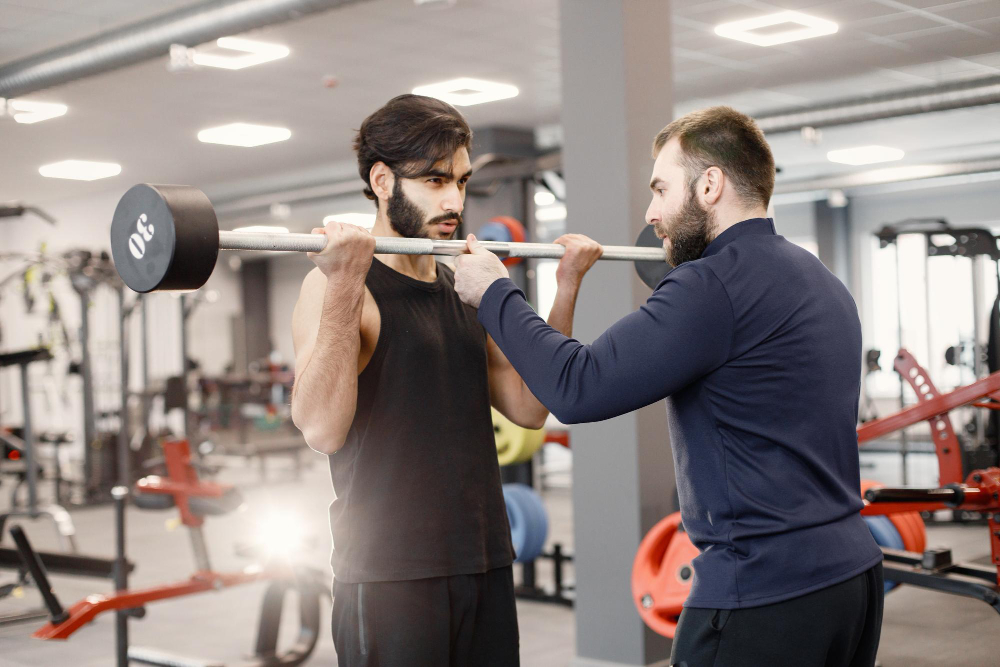
Have you ever watched a client struggle with an exercise and wondered how to correct them without making them feel bad? It happens more often than we think. When learning through a Personal Training course Perth, future trainers need to understand that helping someone improve is not just about correcting their movements. It is also about knowing what to say, when to say it, and how to make the person feel comfortable enough to try again.
Because let us be honest… nobody enjoys feeling like they are getting everything wrong, especially when they are already trying their best.
Start With What Your Client Is Doing Right
Imagine a client trying squats for the first time. Their knees move slightly inward, and they struggle to keep their balance. You could immediately point out everything that needs fixing, but how do you think that will make them feel?
Instead, start with something they are doing well.
You might say, “You are doing a good job controlling the movement. Let us work on keeping your knees in line with your feet now.”
See the difference? The client knows what needs attention, but they also know their effort has not gone unnoticed.
We do not need to praise every little thing just for the sake of it. Keep your feedback honest. A little encouragement can make it easier for someone to listen and give the exercise another go.
Keep Your Words Simple and Friendly
Sometimes, trainers use too many technical words when a simple explanation would do the job.
Think about a beginner who is already nervous about using gym equipment. If we give them five instructions at once, they might forget all five!
Try giving one clear instruction at a time. Instead of saying, “You need to improve your spinal alignment during the movement,” try, “Keep your back steady as you bend down.”
Then give them a moment to try it.
There is no need to turn every correction into a long speech. Talk to your clients as you would talk to a friend who has asked for help. It keeps the session relaxed and makes instructions easier to follow.
Choose the Right Moment to Correct Them
Timing matters, too. Imagine a client finishing a difficult set, breathing heavily and looking exhausted. That probably is not the best moment to explain every mistake they made.
Give them a second to catch their breath.
Once they are ready, bring up the main thing you noticed. You could even ask, “How did that set feel to you?” Their answer might tell you more than you expected.
Some clients already know where they struggled. Others may not have noticed anything unusual. Either way, you can use their response to guide the conversation.
And if something needs immediate attention for safety, step in straight away. Being considerate does not mean allowing unsafe movements to continue.
Do Not Compare One Client With Another
This one is worth remembering.
A client might take longer to learn an exercise than someone else in the gym. That does not mean they are lazy, unfit or not trying hard enough. People have different starting points, confidence levels and learning speeds.
Avoid comments like, “Look at how easily the other person is doing it.”
Even if you mean to motivate them, it can leave them feeling embarrassed.
Focus on their own progress instead. Perhaps they can now complete a movement with better control, or they feel less nervous using a piece of equipment. These are useful improvements, too.
When clients feel that their trainer respects their pace, they are more likely to ask questions and admit when something feels difficult.
Turn Mistakes Into Something They Can Learn From
Nobody gets every exercise right straight away. So, rather than treating mistakes as a big problem, help your clients understand what they can do differently next time.
Let us say a client keeps rushing through repetitions. Instead of repeatedly telling them to slow down, explain what you want them to feel during the movement. Demonstrate it if needed, then let them practise at a comfortable pace.
You can also ask questions like, “Did that feel easier when you slowed down?”
This makes the client part of the learning process rather than someone who simply follows orders.
Of course, some days will be frustrating. A client might need several attempts before something clicks. Be patient. Sometimes, one small adjustment is all it takes.
Learn How to Give Better Feedback as a Personal Trainer
Giving feedback is a skill that develops with practice. It takes time to understand different personalities, recognise when someone needs encouragement and know when to offer a direct correction.
If you are exploring a Certificate IV in Fitness Perth, look for training that helps you build practical coaching skills alongside your exercise knowledge. Working with people in real training settings can help you become more comfortable explaining movements, correcting technique and supporting clients with different needs.
At SR PT Education, we believe becoming a personal trainer means learning how to work with people, not just learning how to plan workouts.
Want to know more about starting your fitness career? Get in touch with the SR PT Education team. We can help you explore your training options and take the next step towards becoming a confident personal trainer.
Frequently Asked Questions
1. How can personal trainers correct clients without hurting their feelings?
Start by recognising their effort, then explain one specific thing they can improve. Use a calm tone and give them time to try again. The aim is to help them learn, not make them feel judged.
2. What should a trainer do if a client gets upset by feedback?
Stay calm and give them a chance to explain how they feel. Listen without becoming defensive, then clarify that your intention is to help them train safely and comfortably. You can also ask how they prefer to receive corrections.
3. Should personal trainers give feedback during every exercise?
Not necessarily. Focus on the most useful correction rather than pointing out every small mistake. Too much feedback can overwhelm clients. Correct unsafe movements immediately, but allow room for practice and learning.
4. Why is positive feedback important in personal training?
Positive feedback helps clients recognise their progress and feel more confident about learning new skills. It also shows that their trainer notices their effort, even when an exercise is still challenging.
5. How can someone learn to give better feedback as a personal trainer?
Practise demonstrating exercises, explaining movements in simple language and adjusting your approach for different people. A practical fitness qualification can also help you develop coaching and communication skills through hands-on learning.