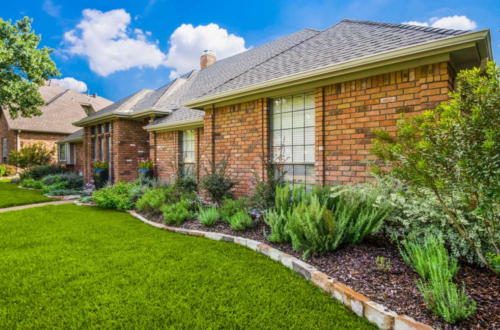
A new roof costs a lot, so you want it done right the first time. It does more than make the house look good from the street. It’s what keeps rain, hail, wind, and summer heat off your family every day of the year.
Cheap materials or rushed work can wreck a home faster than most people expect. Leaks show up in the first big storm, and by then the damage is already inside the walls. That’s why it pays to check out local crews, such as Apollo Roofing, before you sign anything. Ask the roofing company to see their license and proof of insurance. Put in that extra effort and your home stays protected through every season.
What Licensing and Insurance Credentials Are Required?
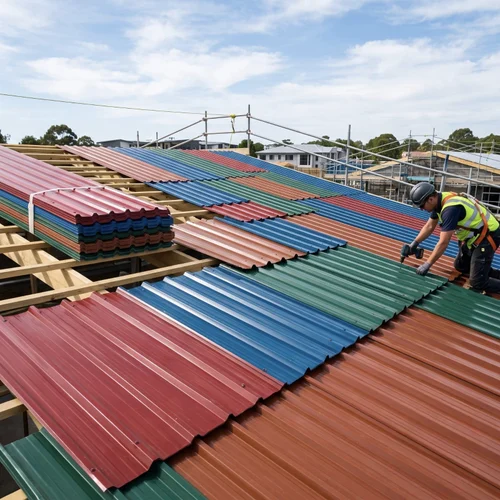
Before you let anyone climb onto your roof or sign a contract, always make sure they have a real estate license and current insurance. Down here in Alabama, any crew doing home roofing work above a certain price tag must carry an active state license. That license proves they actually know the local building codes and follow the rules.
You also need to ask for paper copies of both general liability insurance and workers’ compensation coverage. General liability covers your home if a crew accidentally knocks down a chimney or breaks something. Workers’ comp keeps you safe from getting sued if a worker slips and gets hurt in your yard. Any solid contractor will hand you these insurance papers straight from their agent without throwing a fit.
Why Is Local Community Experience Essential?
Hiring a team that actually lives and works in your town makes a huge difference. Local crews know how hard the weather can hit around here. They know if your area gets hit with heavy spring storms or nonstop summer heat, and they can suggest shingles or metal panels that won’t blow off in high winds.
Local businesses are also way easier to find if something goes wrong later. Out-of-state crews often drive into town right after a big storm, do quick patch jobs, take the money, and leave. On the flip side, local companies have real offices down the street, local phone numbers, and a name to protect in the community.
A roofing company cares about their neighbors, so they take their time, keep the yard safe, and clean up after themselves every single day.
How to Evaluate Written Estimates and Pricing?
Never go on a verbal promise. Get the quote in writing, and read all of it, because a good one shows exactly where your money is going. Here’s what should be on it:
- Old shingle removal. The crew takes everything down to the bare wood. Roofing over the old layer might save a few bucks today, but it hides problems and adds weight.
- Bad decking. If the plywood underneath is soft or rotted, it gets replaced. Nobody should nail new shingles onto weak boards.
- Underlayment and ice shield. You want fresh synthetic underlayment over the whole roof. Valleys and edges also need the sticky ice-and-water membrane.
- Flashing and vents. Look for new metal flashing at the chimney and new attic vents too. Your attic has to breathe, or heat and moisture build up fast.
If one quote lands way under the others, don’t celebrate yet. Usually the roofing company is using cheaper materials or planning to add charges once the job is underway.
What Role Do Material Options and Warranties Play?
Treat your roof as one system. Every layer depends on the one next to it, and water will find even a tiny gap. So when you look at shingles, ask what wind speed they’re rated for. Most modern ones go up to 130 miles per hour. There’s a catch, though. That number only holds if the crew nails them down properly, so ask how they fasten them.
Then comes the paperwork. Two warranties matter here, and people mix them up all the time.
- The factory warranty comes from the shingle maker. It covers defective materials and runs anywhere from 30 years to a lifetime, depending on the product line you choose.
- The workmanship warranty is from your installer, and it’s the one that covers labor. Say a leak starts because someone missed a nail. The contractor comes back and fixes it at no charge.
One protects the shingles. The other protects you from sloppy work. Get both in writing before the job starts, and ask what voids each one.
Conclusion
At the end of the day, picking the right roofing company comes down to double-checking license papers, reading through clear quotes, picking sturdy materials, and looking at real work they finished nearby. By going with proven local experts like Apollo Roofing and making sure you have proper insurance and honest guarantees on paper, you protect your house, keep your budget safe, and sleep easy no matter what the weather looks like outside.
Frequently Asked Questions
- What credentials should a roofing company possess?
Legitimate contractors and a roofing company must hold valid state licenses and general liability insurance. Furthermore, active workers’ compensation coverage protects property owners completely from financial losses. Proper state paperwork checks local building safety codes. Therefore, professional specialists keep current papers ready for clients.
- How long does a standard residential roof installation take?
Most normal home jobs wrap up in one or two days. Experienced work crews handle old shingle tear-offs and new placements quickly to keep family routines normal. Project bosses watch daily work schedules closely, making sure jobs finish on time. Additionally, weather changes can alter total work hours.
- What causes roof estimates to vary significantly between contractors?
Pricing changes based on material quality, underlay options, and crew skills. Honest workers provide clear price lists showing exact material costs and cleanup steps. Different home projects need specific labor hours, changing final numbers. Consequently, clear proposals by a roofing company show material expenses, giving complete money facts to owners.
- How do material warranties differ from warranties?
Manufacturers give product warranties to protect against bad items for many years. However, separate guarantees come straight from installation crews to cover labor mistakes. Product guarantees focus only on factory flaws, while labor guarantees cover human errors. Thus, knowing both protections brings total home safety.
- Why is an inspection necessary before beginning installation?
Early checks by a roofing company help find hidden rotted wood and bad attic airflow before workers start. Finding structural troubles early lets workers bring the correct tools, making sure new roofs block water safely. Moreover, deep checks spot early problems, stopping expensive surprises once building starts. Detailed checks guarantee long-lasting home strength.