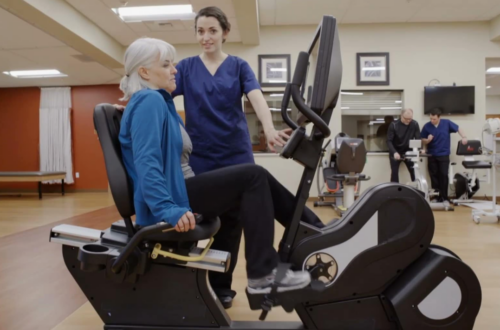
Maintaining good balance is essential for walking confidently, climbing stairs, standing comfortably, and completing everyday activities safely. However, balance can become more challenging because of aging, muscle weakness, injuries, reduced physical activity, or certain medical conditions. Even occasional unsteadiness can make people hesitant to walk outdoors, exercise, or participate in activities they once enjoyed. Balance Therapy in Ashburn offers a structured approach to identifying movement difficulties, improving coordination, and developing the physical skills needed for greater independence. With appropriate assessment and individualized exercises, physical therapy can help people work toward better stability and greater confidence in their daily routines.
Balance difficulties affect individuals differently, making personalized care an important part of rehabilitation. Some people want to feel steadier while walking, while others need support after an injury or a medical event that has affected their mobility. Older adults may prioritize maintaining independence, whereas active individuals may want to improve coordination and confidence during exercise. PT By Art, associated with State of the Art Physical Therapy, is a local provider to consider when exploring physical therapy options in Ashburn. Understanding how balance rehabilitation works, what an assessment involves, and how progress can be supported at home helps individuals make informed decisions about their care and take practical steps toward safer movement.
Understanding Balance Therapy and Why It Matters
Balance involves several interconnected systems that help the body maintain its position and respond to movement. The brain processes information from vision, the inner ear, and sensory receptors in the muscles and joints to determine the body’s position and coordinate appropriate responses. Muscle strength, joint mobility, reaction time, and coordination also contribute to stability. When one or more of these systems is affected, activities such as turning, reaching, walking on uneven surfaces, or rising from a chair may become more difficult. Balance therapy focuses on identifying the specific challenges affecting an individual’s movement and developing exercises suited to those findings. Treatment may involve controlled weight shifting, standing activities, walking practice, coordination exercises, and functional movements performed at an appropriate level of difficulty. Rather than focusing solely on standing without moving, rehabilitation also helps patients practice adjusting their posture, responding to changes in position, and moving more confidently during everyday tasks.
Common Signs That You May Need Balance Rehabilitation
Balance problems are not always obvious at first, and recognizing early changes can help individuals seek appropriate guidance before their mobility becomes more restricted. Common warning signs include frequently stumbling, feeling unsteady while walking, holding furniture for support, struggling with stairs, or experiencing difficulty turning quickly. Some people notice that they feel less confident walking in dim lighting or on uneven ground, while others avoid outdoor activities because they fear falling. Repeated falls or near-falls deserve particular attention, especially when accompanied by reduced strength or changes in walking patterns. Balance difficulties can have several causes, including medication effects, vision changes, inner-ear disorders, neurological conditions, or musculoskeletal limitations. A physical therapist can assess movement and functional abilities to help determine whether rehabilitation may be appropriate, while medical evaluation may be necessary to investigate underlying causes. Sudden dizziness accompanied by weakness, difficulty speaking, severe headache, or other new neurological symptoms requires emergency medical attention rather than routine therapy.
Who Can Benefit From Balance Therapy in Ashburn?
Balance rehabilitation may benefit older adults experiencing unsteadiness, individuals recovering from certain injuries, people with reduced strength after prolonged inactivity, and patients whose medical conditions affect coordination or movement. Someone recovering from an orthopedic injury may need to rebuild lower-body strength and regain confidence when placing weight on the affected limb. An older adult may benefit from practicing safe transfers, controlled stepping, and movements involved in daily household activities. Individuals with neurological conditions may require exercises adapted to their coordination, endurance, and mobility limitations. People experiencing dizziness associated with certain vestibular disorders may also need specialized assessment and rehabilitation when clinically appropriate. The correct treatment depends on the underlying problem, medical history, physical abilities, and personal goals. Before beginning a program, patients should discuss their symptoms with a qualified healthcare professional and ask whether the provider has experience addressing their specific concerns. This approach helps ensure that exercises are appropriate, safety precautions are considered, and treatment focuses on meaningful improvements in everyday function.
What to Expect During a Balance Therapy Assessment
An initial assessment helps establish a clear understanding of the patient’s current abilities and the factors that may contribute to instability. The physical therapist may ask about previous falls, dizziness, injuries, medical conditions, medications, activity levels, and situations in which balance feels most difficult. Depending on the individual’s condition, the evaluation may include observing walking patterns, assessing lower-body strength, checking joint mobility, examining posture, and performing appropriate balance or functional movement tests. The therapist may also consider how easily the patient rises from a chair, changes direction, or navigates common obstacles. These observations help establish realistic treatment goals and identify activities that require additional support. A personalized plan may include progressive strengthening, controlled weight shifting, stepping exercises, gait training, and functional movement practice. Patients should feel comfortable asking questions about the purpose of each activity, how progress will be measured, and which symptoms should be reported. Regular reassessment allows the therapist to adjust the program as abilities change and introduce more challenging activities when appropriate.
How Balance Exercises Support Strength and Coordination
Effective balance rehabilitation combines exercises that challenge stability with activities that build the strength and coordination needed for everyday movement. Depending on an individual’s assessment, a therapist may recommend supported standing exercises, controlled side-to-side weight shifts, sit-to-stand practice, or stepping in different directions. Walking exercises may focus on improving stride consistency, changing direction safely, or managing obstacles in a controlled environment. Strengthening the hips, thighs, ankles, and core can also support posture and improve the body’s ability to respond to movement demands. For some patients, exercises may involve coordinating head movements with walking or practicing specific movements under carefully controlled conditions. The difficulty of each activity should match the patient’s abilities and progress gradually as control improves. Patients should not attempt challenging balance exercises alone if they are at risk of falling. Using a stable support surface, following professional instructions, and practicing in a suitable environment are important precautions. The objective is to build functional skills progressively without introducing unnecessary risks.
Supporting Balance Improvement at Home
Progress in rehabilitation often depends on how consistently patients apply appropriate movement strategies outside their appointments. A therapist may provide a home exercise program that reinforces strength, coordination, and functional mobility while accounting for the patient’s abilities and safety needs. Home environments can also be reviewed for potential hazards, including loose rugs, cluttered walkways, poor lighting, and frequently used objects placed out of easy reach. Installing suitable handrails, using prescribed mobility aids, and keeping commonly traveled paths clear may reduce avoidable risks. Comfortable, supportive footwear can also help individuals feel more secure during everyday activities. Patients should follow their therapist’s recommendations about exercise frequency and avoid adding unfamiliar or demanding activities without guidance. Family members and caregivers can contribute by helping maintain a safe environment and understanding when assistance may be needed. Consistency matters, but exercises should never be continued through significant pain, severe dizziness, or unusual symptoms. Communicating these concerns to the treating professional helps ensure that the program remains appropriate and manageable.
Choosing the Right Balance Therapy Provider
Selecting a rehabilitation provider requires attention to professional qualifications, assessment methods, communication, and the suitability of treatment for the patient’s condition. A good provider should explain the evaluation findings clearly, establish goals that reflect everyday needs, and adapt exercises according to the patient’s abilities and progress. Experience with fall prevention, gait training, vestibular concerns, or neurological rehabilitation may be particularly relevant depending on the reason for seeking care. Patients should also ask about appointment arrangements, insurance coverage, home exercise expectations, and how progress will be monitored. PT By Art is located in Ashburn and is associated with State of the Art Physical Therapy, providing a local option to investigate when researching rehabilitation services. Prospective patients should contact the practice directly to confirm whether its current services match their balance-related needs. An informed choice should be based on clinical suitability, transparent communication, and a treatment plan that respects individual circumstances rather than on promotional claims alone.
Conclusion
Balance therapy can help individuals address movement limitations, develop strength and coordination, and work toward greater confidence in everyday activities. Recognizing early signs of unsteadiness, obtaining an appropriate assessment, following an individualized exercise plan, and making sensible changes at home are important steps toward safer mobility. Progress varies according to the underlying condition, general health, consistency, and rehabilitation goals, so treatment should be guided by professional evaluation and realistic expectations. For individuals exploring Balance Therapy in Ashburn, PT By Art is a local provider to consider when determining which physical therapy services best match their needs. Taking a proactive approach to balance, mobility, and fall prevention can support greater independence and help people remain engaged in the activities that matter most to them.