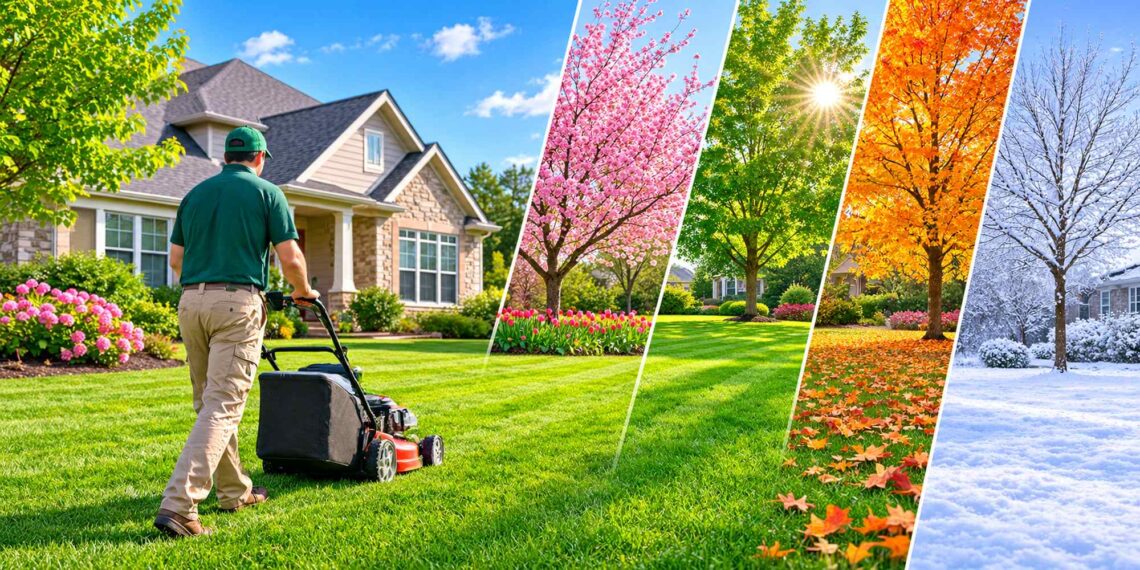
A lawn that looks healthy in spring may struggle when summer temperatures rise, while cooler weather can bring a different set of challenges. Grass growth, soil moisture, weed activity, and mowing needs change throughout the year, so maintaining a good-looking yard requires more than following the same routine every week.
For homeowners, little elm lawn services can help address these changing conditions with care that matches the season. North Texas weather can shift from intense summer heat to sudden rainfall and cooler winter days, affecting how grass grows and how much attention it needs. Understanding these seasonal changes makes it easier to protect the lawn, avoid unnecessary treatments, and keep outdoor spaces looking well maintained.
Why Seasonal Changes Matter for Your Lawn
Grass is a living plant, and its needs depend on temperature, sunlight, moisture, and soil conditions. A maintenance routine that works during active spring growth may not be appropriate during a hot, dry summer or a period of winter dormancy.
In Little Elm, warm-season grasses such as Bermuda and St. Augustine are common choices for residential lawns. These grasses generally grow most actively during warm weather, although their preferred mowing heights, shade tolerance, and maintenance requirements differ. As temperatures fall, growth slows, and the lawn may naturally lose some of its green color.
Seasonal care helps homeowners respond to these changes instead of treating every lawn problem the same way. For example, brown grass during a dry summer may need a closer look at watering and soil conditions rather than an immediate fertilizer application. Similarly, weeds appearing in cooler weather may require a different strategy from weeds that emerge during summer.
A seasonal approach can help homeowners:
- Adjust mowing frequency as grass growth changes.
- Manage watering according to rainfall and temperature.
- Identify weeds before they spread across the yard.
- Apply fertilizer when the grass can use it effectively.
- Recognize signs of stress before they become widespread.
The goal is not to keep grass growing at the same rate throughout the year. It is to provide the right care at the right time so the lawn can respond naturally to local conditions.
Spring: Preparing the Lawn for Active Growth
Spring is an important transition period for warm-season lawns. As temperatures rise, grass gradually resumes active growth, making this a useful time to assess winter damage, check irrigation equipment, and prepare for the growing season.
Before increasing mowing or fertilizer applications, homeowners should inspect the lawn carefully. Some areas may recover naturally as temperatures warm, while others may have problems caused by compacted soil, poor drainage, or lingering weed growth.
Inspect the Lawn Before Starting Routine Maintenance
A walk across the yard can reveal problems that are easy to miss during ordinary mowing. Look for bare patches, damaged turf near walkways, standing water, and places where grass appears thinner than the surrounding lawn.
Spring maintenance may include:
- Removing leaves, fallen branches, and other debris.
- Checking sprinkler heads and irrigation coverage.
- Identifying weeds and determining which control methods are appropriate.
- Examining soil compaction in heavily used areas.
- Evaluating whether damaged sections need repair or replacement.
It is also worth checking how water moves through the yard after rainfall. Low spots may remain wet while raised areas dry quickly, creating different growing conditions within the same lawn.
Resume Mowing Gradually
Warm-season grass should be mowed according to its growth and recommended height, not simply because the calendar says spring has arrived. Cutting too much grass at once can place unnecessary stress on turf that is only beginning to grow actively.
Sharp mower blades create cleaner cuts, helping the lawn maintain a more even appearance. Homeowners should also avoid mowing when the ground is excessively wet because equipment can leave ruts and compact the soil.
Spring is a good time to establish a sensible mowing routine, but the frequency should increase only as growth warrants it.
Summer: Managing Heat, Water, and Lawn Stress
Summer can be one of the most demanding periods for lawns in Little Elm. High temperatures, direct sunlight, and limited rainfall can increase moisture loss, while heavy watering on poorly drained soil may create a different set of problems.
During hot weather, the lawn’s appearance can change quickly. Grass may develop a bluish-gray tint, blades may curl, or footprints may remain visible longer than usual. These signs can indicate moisture stress, although soil compaction, disease, and other conditions can produce similar symptoms.
Water Deeply and Pay Attention to Conditions
A fixed watering schedule does not always suit changing summer weather. A lawn may need less supplemental irrigation after several days of rain and more during an extended dry period.
When watering is necessary, deeper applications that moisten the root zone are generally more useful than frequent, shallow sprinkling. However, the correct amount depends on soil type, grass variety, sprinkler output, and current weather. Water should be applied slowly enough to soak in rather than run across sidewalks or collect in low areas.
Useful summer watering practices include:
- Check soil moisture before starting irrigation.
- Water early in the morning when practical.
- Adjust sprinkler coverage to prevent dry strips and oversaturated areas.
- Follow local watering restrictions.
- Reduce irrigation when rainfall has already supplied sufficient moisture.
If water repeatedly runs off the surface, the issue may involve compaction or grading rather than a need for longer watering sessions. Correcting the underlying problem can improve how efficiently the lawn uses available moisture.
Avoid Mowing Too Short
Cutting grass too low during hot weather exposes more of the soil surface and can increase stress. Leaving the lawn at the appropriate height helps protect the soil and supports stronger turf growth.
The ideal height varies by grass type. Bermuda grass is generally maintained shorter than St. Augustinegrass, so homeowners should identify their turf before adjusting mower settings.
It is also important to avoid removing too much of the leaf blade in one mowing. If the grass has grown excessively, gradually returning it to the recommended height is usually preferable to a single severe cut.
Fall: Helping Warm-Season Grass Prepare for Cooler Weather
Fall offers an opportunity to address summer wear and prepare the yard for slower growth. Temperatures often become more comfortable for outdoor work, but the lawn’s needs begin changing as daylight decreases and warm-season grass gradually loses active growth.
This is a useful time to evaluate which summer problems need attention. Thin areas, persistent weeds, uneven watering, and compacted ground may become more noticeable when growth slows.
Review Summer Damage Before Making Changes
Not every brown patch needs the same treatment. Some areas may be recovering from drought stress, while others could be affected by insects, disease, poor drainage, or foot traffic.
Before applying products, inspect the affected area and consider its history. If the same section struggles each year, there may be an underlying issue with sunlight, soil depth, irrigation coverage, or drainage.
Fall maintenance may involve:
- Removing accumulated leaves without damaging the turf.
- Addressing weeds with methods appropriate for the species and season.
- Repairing minor irrigation problems.
- Keeping grass at its recommended mowing height while it is still growing.
- Reviewing soil-test results before making fertilizer decisions.
Fertilizer timing matters. Warm-season grasses should not receive nitrogen applications simply because the lawn looks less green as temperatures cool. Late-season fertilization can be inappropriate when the grass is approaching dormancy, so homeowners should follow local recommendations for their specific turf and soil conditions.
Keep Leaves From Covering the Grass
Fallen leaves can create a thick layer that blocks light and traps moisture against the lawn. A few scattered leaves are usually not a concern, but heavy accumulation should be removed or managed before it smothers the grass.
Depending on the quantity and condition of the leaves, homeowners may collect them or mulch them finely with a mower. The important point is to prevent dense layers from remaining on the turf for extended periods.
Winter: Protecting the Lawn While Growth Slows
Warm-season lawns commonly grow much more slowly during winter, and some may turn brown as they enter dormancy. This change does not automatically mean the grass has died or needs immediate treatment.
Winter care is generally focused on avoiding damage and keeping the yard reasonably tidy rather than encouraging rapid growth. Excessive fertilizer, unnecessary irrigation, and heavy traffic can create problems when the grass is not actively growing.
Understand Dormancy Before Treating Brown Grass
Dormant warm-season grass can look unattractive compared with its summer appearance, but dormancy is a normal seasonal response. Before attempting to restore color, homeowners should determine whether the lawn is dormant or experiencing a separate problem.
Avoid applying fertilizer simply to make dormant grass greener. If the turf has suffered damage from disease, drainage issues, or other causes, those problems should be identified rather than covered with unnecessary products.
Winter maintenance often includes removing branches, clearing heavy leaf buildup, and checking for erosion after rain. When the ground is wet, limiting unnecessary foot traffic can help prevent compaction and surface damage.
Plan Ahead for the Next Growing Season
Winter is also a practical time to review the previous year’s maintenance. Homeowners can note where weeds spread, which areas dried out quickly, and whether the irrigation system covered the lawn evenly.
Planning ahead may involve arranging equipment maintenance, reviewing soil-test results, or deciding whether damaged turf needs repair when growing conditions become suitable.
How Little Elm Lawn Services Support Seasonal Planning
Seasonal maintenance is more effective when it reflects the actual condition of the property. Two nearby lawns can need different care because one receives full sun while the other sits beneath mature trees. Soil composition, irrigation systems, grass varieties, and household activity can all influence the right maintenance schedule.
Homeowners considering little elm lawn services may benefit from having these conditions evaluated before seasonal work begins. A professional can help identify mowing needs, weed concerns, drainage issues, and irrigation inconsistencies, then recommend services based on the lawn’s condition rather than relying on a generic calendar.
For example, a lawn that dries out quickly near a driveway may need a different solution from a shaded section where grass remains thin. Addressing these differences can make maintenance more practical and help avoid spending money on treatments that do not solve the real problem.
The Grounds Guys of Little Elm can be a local resource for homeowners looking to organize routine lawn maintenance around seasonal needs. Professional support can be especially useful when several concerns overlap, such as uneven growth, persistent weeds, and inconsistent moisture across different areas of a yard.
Common Seasonal Lawn Care Mistakes
Many lawn problems develop because maintenance continues unchanged even when growing conditions shift. A routine that was suitable a month earlier may become less effective after a change in temperature or rainfall.
Several mistakes are worth avoiding:
- Overwatering during cooler weather: Grass generally uses less water when growth slows, so irrigation should reflect actual soil moisture and rainfall.
- Cutting grass too short: Excessively low mowing can weaken turf and expose more soil, particularly during periods of heat or stress.
- Applying fertilizer without a plan: Incorrect timing or excessive amounts may harm the lawn and contribute to nutrient runoff.
- Ignoring recurring bare spots: Repeated damage may indicate compaction, drainage issues, pests, or unsuitable growing conditions.
- Following a rigid calendar: Seasonal dates are useful guides, but local weather and grass growth should determine many maintenance decisions.
Another common mistake is treating every color change as a sign that the lawn needs a product. Grass naturally responds to seasonal conditions. Observing the pattern, checking moisture, and identifying the cause before acting can prevent unnecessary treatments.
Building a Lawn Care Schedule That Works All Year
A useful lawn care plan does not need to be complicated. It should account for the grass variety, the property’s layout, local weather, and the amount of time homeowners can devote to maintenance.
Start by identifying the turf type and understanding its recommended mowing height. Then establish a flexible routine for inspecting the lawn, checking irrigation, removing debris, and monitoring weeds. Fertilization, aeration, and other specialized work should be scheduled according to the lawn’s actual needs and appropriate seasonal timing.
Homeowners can keep a simple record of recurring problems, including where water collects, which sections dry out first, and when weeds typically appear. These observations can make future decisions more accurate and help distinguish temporary seasonal changes from persistent lawn issues.
The best schedule is one that can adapt. If rainfall increases, irrigation may need to decrease. If growth slows, mowing frequency should change. If a section continues to deteriorate despite reasonable care, the underlying cause deserves attention before more treatments are added.
Frequently Asked Questions
How often should a lawn be mowed in Little Elm?
Mowing frequency depends on the grass type, growing conditions, and time of year. During active growth, mowing may be needed weekly or more often, while cooler periods usually require less frequent cutting.
When should I fertilize my lawn in Little Elm?
Fertilizer timing depends on the turf variety, soil conditions, and season. Warm-season grass is generally fertilized during active growth, with applications reduced or avoided as the grass approaches dormancy.
Why does my lawn turn brown in winter?
Warm-season grasses such as Bermuda and St. Augustine may turn brown as temperatures drop and growth slows. If the grass does not recover when suitable growing conditions return, investigate possible damage or other underlying problems.
How can I tell if my lawn needs more water?
Signs of moisture stress can include curled blades, a dull or bluish-gray appearance, and footprints that remain visible. Check soil moisture before watering because similar symptoms can also result from compaction or other lawn problems.
Are professional lawn services useful throughout the year?
Professional services can help homeowners adjust mowing, weed management, irrigation checks, and other maintenance tasks as conditions change. The most useful service plan is based on the grass type, property conditions, and current seasonal needs.
Should I treat weeds as soon as I see them?
The right response depends on the weed species, its growth stage, and the condition of the turf. Identifying the weed before choosing a treatment helps avoid using a product or method that may damage the lawn.
Conclusion
A well-maintained lawn requires different attention at different times of the year. Spring calls for preparation and renewed growth, summer brings challenges involving heat and moisture, fall offers a chance to review damage, and winter is often a period for protection and planning.
For homeowners, little elm lawn services can help turn these seasonal changes into a manageable maintenance routine. By adjusting mowing, watering, weed control, and fertilizer use to match actual conditions, it becomes easier to maintain attractive grass without unnecessary work or treatments. Paying attention to the lawn throughout the year also helps reveal recurring problems early, giving homeowners a better chance to address their causes and support healthy growth in the seasons ahead.