Businesses today must prepare for more than financial growth and market competition. Environmental challenges, social responsibilities, and corporate governance expectations are influencing how organizations make decisions and plan for long-term success. By working with Esg consulting firms in India, businesses can identify sustainability priorities, evaluate risks, and develop strategies that support responsible growth while adapting to changing industry expectations.
Understanding ESG and Its Importance in Business Planning
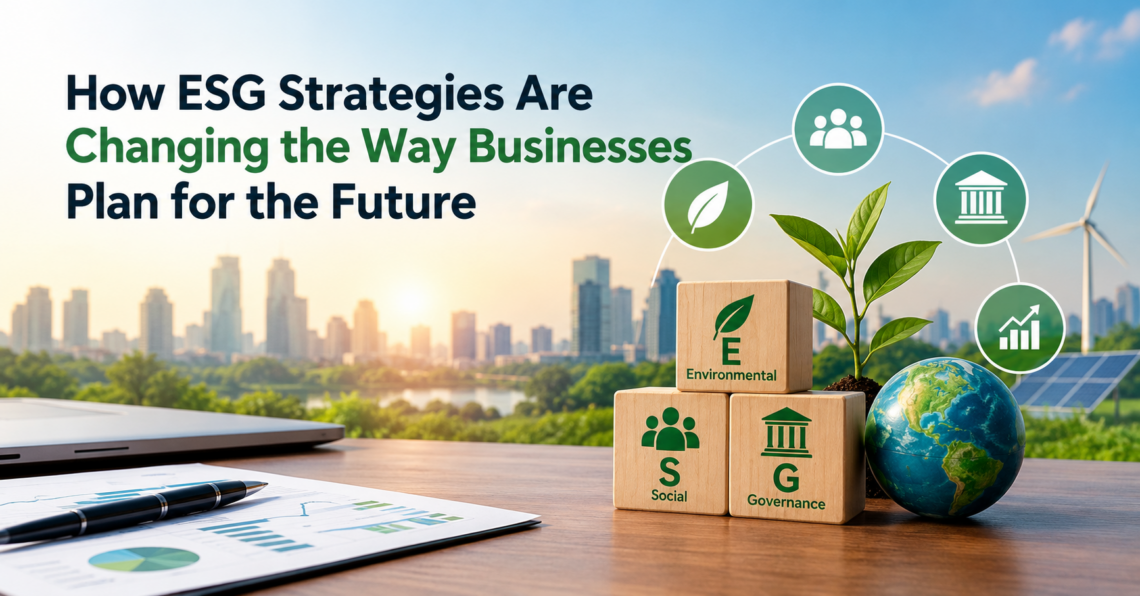
ESG stands for Environmental, Social, and Governance. These three factors help organizations assess their environmental impact, relationships with employees and communities, and approach to ethical management.Environmental considerations include energy consumption, waste management, carbon emissions, and resource efficiency. Social factors cover employee welfare, workplace safety, diversity, and community engagement. Governance focuses on transparency, accountability, ethical business practices, and regulatory compliance.
Integrating these factors into business planning helps organizations understand potential risks and opportunities beyond immediate financial performance. It also encourages businesses to consider how their decisions affect stakeholders, natural resources, and long-term operational stability.
1. Making Sustainability a Long-Term Business Priority
Sustainability is increasingly becoming part of strategic planning rather than an isolated corporate initiative. Businesses are evaluating how their operations affect the environment and identifying practical ways to reduce their impact.Organizations may invest in energy-efficient equipment, renewable energy, waste reduction programs, and sustainable sourcing practices. These initiatives can help reduce resource consumption and improve operational efficiency over time.
By establishing measurable sustainability targets, companies can monitor progress and make informed investment decisions. This approach also helps businesses prepare for evolving environmental regulations and growing expectations from customers, investors, and business partners.
2. Improving Risk Management and Business Resilience
ESG strategies help businesses identify risks that traditional financial assessments may overlook. Climate-related disruptions, resource shortages, workplace safety concerns, and governance failures can affect operations, profitability, and reputation.
For example, businesses that depend heavily on water or electricity may face operational challenges when resources become expensive or less available. Evaluating these risks allows organizations to develop contingency plans and improve resource management.
Strong governance practices, transparent reporting, and regular risk assessments can further strengthen business resilience. Companies that prepare for potential disruptions are better positioned to respond to market changes and maintain operational continuity.
3. Strengthening Employee Welfare and Workplace Culture
A successful business depends on the people who contribute to its growth. Social responsibility encourages organizations to create safe working environments, promote fair employment practices, and support employee development.Companies can strengthen workplace culture by improving health and safety procedures, providing training opportunities, encouraging inclusion, and establishing clear channels for employee feedback.
These initiatives can contribute to employee satisfaction, retention, and productivity. Businesses that prioritize responsible employment practices may also improve their ability to attract skilled professionals and build stronger relationships with customers and communities.
4. Building Investor Confidence and Brand Reputation
Investors and business partners increasingly consider sustainability, transparency, and governance when evaluating organizations. Companies that demonstrate responsible business practices can communicate their long-term priorities more clearly to stakeholders.
Reliable ESG reporting helps organizations explain their objectives, disclose relevant performance information, and demonstrate progress toward established targets. However, businesses must ensure that their claims are supported by accurate data and measurable results.Avoiding exaggerated environmental claims is equally important. Transparent communication builds credibility, while misleading sustainability statements can damage public trust and expose organizations to reputational risks.
5. Using Technology and Data to Track ESG Performance
Technology plays an important role in making ESG strategies measurable and actionable. Digital monitoring systems, energy management platforms, and data analytics tools help organizations track resource consumption, emissions, waste generation, and other sustainability indicators.
Businesses can use this information to identify inefficiencies, compare performance over time, and prioritize improvements. Establishing clear responsibilities for data collection and reporting also improves accountability.Regular performance reviews help companies determine whether their initiatives are delivering the intended results. Rather than relying on broad commitments, organizations can use measurable indicators to guide decisions and demonstrate progress.
6. Integrating ESG into Infrastructure and Operational Decisions
ESG considerations also influence decisions involving buildings, infrastructure, equipment, and facility management. Businesses can evaluate energy-efficient building systems, responsible material selection, indoor environmental quality, and water conservation when planning new facilities or upgrading existing ones.
Technical planning is important because mechanical, electrical, and plumbing systems influence a building’s energy use, water consumption, and overall operational performance. Coordinating these systems early can help reduce inefficiencies and support sustainability objectives throughout a building’s lifecycle.Organizations planning commercial spaces, offices, and industrial facilities can collaborate with technical specialists to identify practical improvements that align with their operational requirements and environmental goals.
Conclusion
ESG strategies are changing how businesses prepare for the future by connecting sustainability, social responsibility, and ethical governance with everyday decision-making. From managing risks and improving employee welfare to strengthening transparency and optimizing resource consumption, these practices can support long-term business resilience.
Successful implementation requires clear objectives, reliable data, leadership commitment, and continuous improvement. Businesses can also collaborate with Mep design companies in Chennai to explore energy-efficient building systems and improve infrastructure planning. By integrating ESG principles into strategic and operational decisions, organizations can respond more effectively to emerging challenges and build a foundation for responsible, sustainable growth.