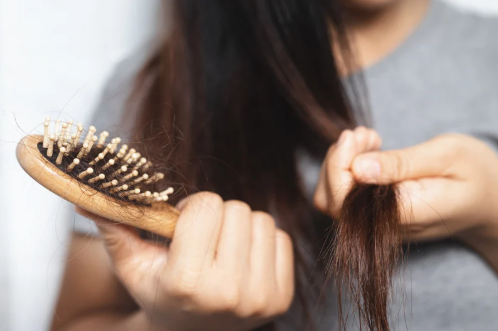
Hair thinning can be gradual and may not become noticeable until after a few months. You may see more strands in your hairbrush, notice extra hair in the shower, or find that your parting looks wider than before. These changes can affect your confidence and leave you wondering which products or habits might help. Hair shedding is a normal part of the growth cycle, but a noticeable or ongoing increase deserves attention. Genetics, hormonal changes, stress, nutritional deficiencies, illness, and certain medications can all contribute to hair loss. Understanding the possible cause makes it easier to choose the right approach instead of trying products without a clear plan.
For people exploring different options, low-level laser therapy hair treatments are one approach worth understanding. Low-level laser therapy uses light at specific wavelengths and is being studied for its potential benefits in certain types of hair loss. Some devices are designed for home use, while others may be available through professional services. However, results vary by individual, and this method isn’t suitable for every cause of thinning. Before investing in a device or starting a treatment, consider speaking with a qualified healthcare professional who can help you understand your options.
Recognising Changes in Your Hair
Hair thinning does not always look the same from one person to another. Some people notice a receding hairline, while others experience reduced density around the crown or a wider parting. Increased shedding may also occur after a stressful event, an illness, or a significant change in diet.
Look for Patterns Rather Than Individual Strands
Finding a few loose hairs on your clothes or pillow is not necessarily a reason to worry. Hair naturally sheds as part of its growth cycle. Instead of counting every strand, pay attention to changes that continue over several weeks.
Notice whether your hair feels less dense, whether your scalp has become more visible, or whether breakage occurs around the ends. Keeping monthly photographs in similar lighting can help you compare changes more objectively. If you experience sudden shedding, bald patches, scalp discomfort, or persistent itching, arrange an appointment with a healthcare professional.
Choosing Products for Your Hair Care Routine
A useful hair care routine should suit your scalp condition, hair texture, and everyday lifestyle. You do not need a shelf full of products to care for thinning hair. A gentle shampoo, an appropriate conditioner, and careful styling habits can provide a practical foundation.
Find a Shampoo That Suits Your Scalp
Choosing a hair shampoo for hair loss begins with understanding what your scalp needs. A shampoo can remove excess oil, sweat, and product residue, helping you maintain a clean scalp. However, ordinary shampoos cannot treat every underlying cause of hair loss, and a cosmetic product should not be expected to reverse hereditary thinning on its own.
If your scalp becomes oily quickly, regular washing may be necessary. If it feels dry or sensitive, look for a gentle formula that does not leave it feeling tight or irritated. Apply shampoo mainly to the scalp, massage with your fingertips, and rinse thoroughly. Avoid scratching with your nails or rubbing wet hair aggressively.
Conditioner can make a difference to the way your hair feels and behaves. Apply it mainly to the mid-lengths and ends to make detangling easier. This can reduce friction and help limit breakage, especially when your hair is fine, dry, coloured, or prone to knots.
Finding a Suitable Approach to Hair Loss
Choosing a hair loss treatment should begin with identifying the reason for the problem. Hair thinning caused by hereditary factors may require a different approach from shedding linked to nutritional deficiencies, scalp conditions, or temporary physical stress. A product that suits one person may not produce the same results for someone else.
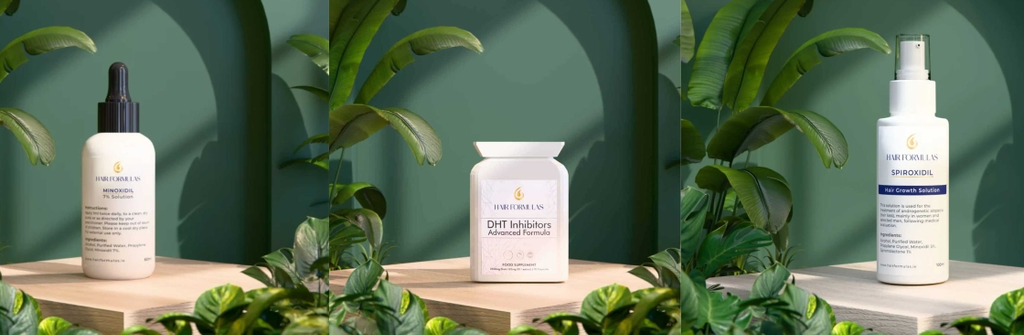
Hair Formulas offers hair care options for people who want to establish a routine suited to their concerns. Before choosing a product, read the label, follow the directions, and consider whether the ingredients are appropriate for you. If you are looking at medicated products, discuss their suitability, possible side effects, and expected results with a qualified healthcare professional.
Stay Consistent and Review Your Progress
Hair does not change overnight. Frequently switching products can make it difficult to judge whether a routine is helping. Give suitable products the time recommended in their instructions, and avoid using more than the suggested amount in the hope of getting faster results.
You can keep a simple record of the products you use and any changes you notice. Monthly photographs may help you assess hair density and the appearance of your parting. If your shedding continues or becomes more noticeable, seek professional advice rather than relying entirely on cosmetic products.
Daily Habits for Healthier-Looking Hair
Your everyday choices can influence hair condition and reduce avoidable damage. Although healthy habits cannot prevent every form of hair loss, they can help you care for the strands you have.
Eat a Varied and Balanced Diet
Hair growth depends on adequate nutrition. Include protein-rich foods such as eggs, fish, beans, lentils, and other suitable alternatives. Vegetables, fruit, whole grains, nuts, and seeds can help provide a range of essential nutrients.
Avoid restrictive diets that remove major food groups without a good reason. Low levels of certain nutrients can contribute to shedding, but taking supplements without knowing whether you need them is not always helpful. Too much of some vitamins and minerals can also be harmful. If you suspect a deficiency, ask a healthcare professional whether testing or dietary changes may be appropriate.
Handle Your Hair Gently
Repeated heat styling, tight hairstyles, harsh chemical treatments, and rough brushing can leave strands weak and prone to breakage. Use a wide-tooth comb to remove knots, beginning at the ends and working upwards. Reduce the temperature of styling tools where possible, and avoid hairstyles that pull tightly on the roots.
Try to maintain regular sleep habits and make time for activities that help you manage stress. Stress is one possible contributor to certain types of shedding, although persistent hair loss can have other causes that require separate attention.
When Professional Advice Is Important
Seek medical advice if your hair begins falling out suddenly, you develop distinct bald patches, or your scalp becomes painful, red, or persistently itchy. A doctor or dermatologist can examine your scalp, review your medical history, and investigate possible causes where necessary.
Professional guidance is especially useful before starting a treatment that contains active medicinal ingredients. It can help you understand realistic expectations, possible risks, and whether a particular option suits your circumstances. Early assessment may also identify an underlying issue that would otherwise go untreated.
Conclusion
Caring for thinning hair requires a practical routine, patience, and an understanding of what may be causing the change. Gentle washing, suitable conditioning, balanced meals, and less damaging styling habits are sensible places to begin. Treatment choices should be based on individual needs rather than promises of quick results.
Hair Formulas provides options for people looking to make informed choices about their everyday hair care. By paying attention to changes, using products correctly, and seeking professional advice when needed, you can build a more considered routine for maintaining healthy-looking hair and caring for your scalp.