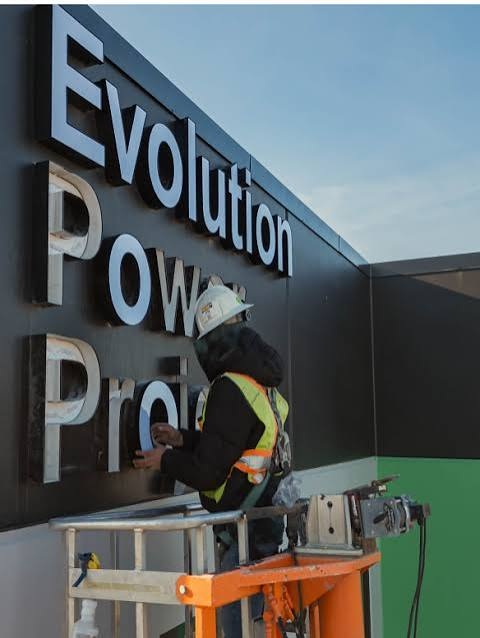
A business needs to communicate its identity clearly to customers, employees, and visitors. While websites and social media help companies reach people online, physical spaces still play an important role in shaping customer perceptions. A storefront, office entrance, industrial facility, or retail environment can communicate professionalism through its appearance and organization. Well-planned signs help people recognize a business, understand what it offers, and find the information they need without unnecessary confusion.
Sign Works provides signage and visual communication services for businesses that want to establish a recognizable presence. Investing in effective Commercial Signage allows organizations to connect their branding with their physical locations while making everyday interactions easier. From identifying a building to displaying safety instructions, signs can serve several purposes within the same environment. The key is to choose designs that reflect the company’s identity, suit the location, and communicate information in a clear and practical way.
Building Trust Through a Professional Business Appearance
Customers often form an initial impression before speaking with an employee or entering a building. An organized exterior, readable business name, and consistent visual presentation can make a company easier to recognize. Conversely, outdated signs, inconsistent branding, or unclear entrances may create unnecessary uncertainty. Businesses that pay attention to these details demonstrate that they care about the customer experience and the way their organization is presented.
Professional Commercial Signage helps businesses establish a visual identity that customers can recognize across different locations and interactions. Consistent logos, colours, typography, and messaging can make a company appear more organized and memorable. Sign Works offers signage services that help businesses incorporate branding into their physical environments. By considering the building’s architecture, the surrounding area, and the audience, organizations can select signs that complement their premises while communicating a professional image.
Making Better Use of Retail and Office Spaces
Commercial spaces often contain different areas with different purposes. Retail stores need to communicate product categories and promotions, while offices may require reception signs, room identification, and directional information. Warehouses and industrial facilities may need clearly marked work zones and instructions for visitors. Without a coordinated system, people may struggle to understand the layout or locate the right destination.
A thoughtful Commercial Signage plan begins by examining how people move through the property. Business owners should identify entrances, corridors, customer service points, restricted areas, and locations where visitors commonly need assistance. Signs should be positioned where the information becomes useful, rather than simply where installation is convenient. Clear wording and consistent design help people understand instructions quickly. When signage supports the way a space is used, it can reduce confusion, improve navigation, and contribute to a more efficient working environment.
Helping Customers Discover Business Locations
A business can offer excellent products and services yet still lose potential customers if its location is difficult to identify. This can be especially challenging in busy commercial districts, shopping centres, industrial parks, and buildings with several occupants. Exterior signs help distinguish one business from another and provide a visual reference for customers approaching the property. Roadside displays, building lettering, and entrance signs can each serve different visibility needs.
Effective Commercial Signage should account for the distance from which people will view the sign and the conditions surrounding the installation. Lettering needs to be readable, colours should provide sufficient contrast, and the placement should suit pedestrian or vehicle traffic. Businesses should also consider nearby buildings, trees, lighting, and local signage regulations. Sign Works can help organizations explore exterior signage options based on their business requirements. A clear and appropriately positioned display makes it easier for customers to recognize the location and approach it with confidence.
Choosing the Right Materials for Each Application
Signage materials affect both appearance and long-term performance. Outdoor signs must withstand environmental exposure, while indoor displays may need to complement interior finishes or tolerate frequent cleaning. Metal, acrylic, printed graphics, illuminated components, and other materials offer different design possibilities. The right choice depends on the location, expected lifespan, installation method, maintenance requirements, and available budget.
Before selecting Commercial Signage, businesses should discuss the conditions the finished sign will face. A roadside sign may require durable construction and weather-resistant finishes, whereas a reception display might prioritize refined presentation and coordination with interior branding. Material selection should also consider visibility and ease of maintenance. Sign Works provides custom signage services that allow businesses to explore options for different applications. Choosing suitable materials from the beginning can help preserve the sign’s appearance and reduce avoidable repairs or replacements.
Improving Visibility With Modern Lighting
Lighting can make a significant difference to the way a sign is seen throughout the day. Businesses operating during evening hours may need illuminated signs to remain recognizable after natural light decreases. LED displays and illuminated lettering can also create a distinctive appearance when integrated appropriately with the building. The goal is to improve visibility without producing excessive glare or distracting from the surrounding environment.
Modern Commercial Signage can incorporate illumination according to the building’s location, operating hours, and branding requirements. Before choosing a system, businesses should evaluate brightness, energy use, maintenance access, electrical requirements, and applicable regulations. Lighting should help customers understand the message rather than overwhelm them with unnecessary visual effects. Sign Works offers commercial lighting and signage-related services that businesses can consider when planning a new installation or updating an existing display. A well-designed lighting system can support visibility while maintaining a cohesive appearance.
Supporting Safety and Clear Workplace Communication
Signs also play an important role in workplaces where employees, contractors, and visitors need to understand rules or identify potential hazards. Construction sites, industrial facilities, warehouses, and commercial properties may require warning notices, directional markers, restricted-area signs, and emergency information. Clear communication helps people understand where they can go and which precautions they should follow.
Practical Commercial Signage for workplace environments should use understandable wording, appropriate symbols, and readable layouts. Businesses should determine which signs are necessary for their operations and verify applicable safety requirements rather than relying on general decorative displays. Signs must remain visible, be positioned where instructions are relevant, and be maintained when information changes. Sign Works provides signage services that can support commercial and industrial communication needs. A coordinated approach helps organizations present important information consistently throughout their facilities.
Keeping Branding Consistent Across Different Channels
Many businesses communicate with customers through several physical touchpoints, including buildings, vehicles, reception areas, promotional displays, and printed materials. When each element uses different colours or inconsistent logos, customers may find it harder to connect them with the same organization. Coordinated branding helps create familiarity and reinforces the company’s identity over time.
A consistent Commercial Signage strategy should follow established brand guidelines while adapting each sign to its purpose. Exterior signs may emphasize the business name, interior displays may provide directions, and promotional graphics may highlight specific services. Sign Works also offers vehicle graphics and custom decals that can complement commercial signage projects. Coordinating these elements allows businesses to maintain a recognizable appearance across stationary and mobile settings. It also makes future updates easier because the organization has a clear visual standard to follow.
Planning a Signage Project Effectively
A successful signage project begins with clearly defined goals. Businesses should decide whether they need better exterior visibility, improved navigation, updated branding, illuminated displays, or more effective workplace communication. These priorities help determine the number of signs required, their dimensions, suitable materials, and installation locations. Planning also provides an opportunity to identify building restrictions, permit requirements, electrical considerations, and scheduling needs before production begins.
When evaluating Commercial Signage, businesses should request a detailed proposal that explains design, fabrication, materials, installation, and any additional charges. Reviewing artwork and measurements before approval helps reduce errors and unexpected changes. It is also useful to ask about maintenance, repair services, and warranty coverage where applicable. Sign Works can help businesses explore signage options according to their project requirements. Taking time to plan the work carefully makes it easier to balance budget, functionality, and visual quality.
Conclusion
Effective signage helps businesses create a recognizable identity, guide customers, organize physical spaces, and communicate important information. From exterior building displays to interior directions, illuminated signs, and workplace safety notices, each sign should have a clear purpose. Material selection, placement, readability, and consistent branding all contribute to how well the finished installation performs.
Sign Works provides signage, lighting, vehicle graphics, and custom visual communication services for businesses seeking a professional presence. By investing in well-planned Commercial Signage, organizations can improve customer communication, make their locations easier to recognize, and maintain a consistent brand image. Whether a business is updating an existing storefront or planning signage for a new commercial facility, choosing signs that meet real operational needs can support a more organized and welcoming environment.