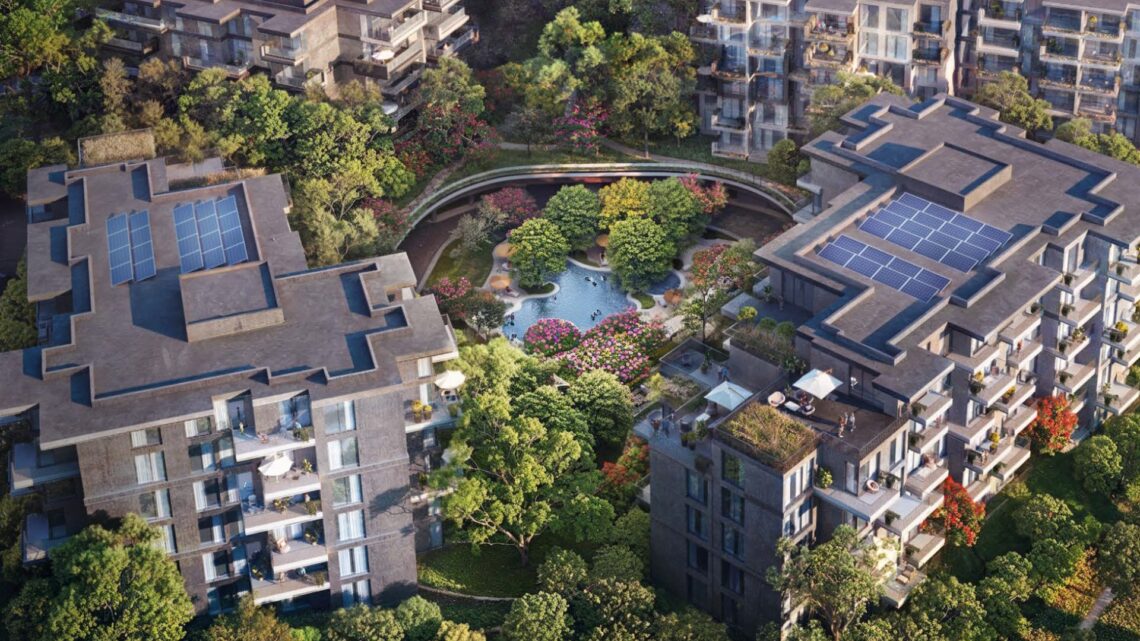
In a world where life is becoming increasingly busy, crowded, and technology-driven, many people are looking for a simpler and more meaningful way to live. This growing interest has made the concept of a Forest Living Community increasingly appealing. Combining the comfort of modern living with the peace and beauty of nature, forest communities offer an alternative lifestyle for people who want to slow down, reconnect with the environment, and build stronger relationships with their neighbors.
A Forest Living Community is more than simply living near trees. It is a lifestyle built around nature, sustainability, community, and well-being. Whether you are looking for a permanent home, a peaceful retreat, or a more environmentally responsible way of life, forest living can provide numerous benefits.
What Is a Forest Living Community?
A Forest Living Community is a residential development or group of homes located within or close to a natural forest environment. These communities are generally designed to preserve the surrounding landscape while providing residents with comfortable and practical living spaces.
Unlike conventional urban neighborhoods, forest communities often prioritize green spaces, walking trails, natural landscaping, outdoor recreation, and environmentally conscious development. Homes may be designed to blend into their surroundings rather than dominate the landscape.
The goal is to create a balance between modern amenities and the natural environment. Residents can enjoy the conveniences of contemporary living while having trees, fresh air, wildlife, and open spaces close to home.
The Benefits of Forest Living
One of the biggest advantages of joining a Forest Living Community is the opportunity to spend more time in nature. Research and everyday experience suggest that natural environments can contribute to relaxation, mental well-being, and a greater sense of calm.
1. A Peaceful Environment
Urban areas can be noisy and stressful. Traffic, construction, crowds, and constant activity can make it difficult to relax. Forest communities provide a quieter environment where residents can enjoy the sounds of birds, wind, and nature.
Waking up surrounded by trees can create a completely different atmosphere from waking up in a densely populated city neighborhood.
2. Better Connection With Nature
Modern lifestyles often keep people indoors for most of the day. Forest living makes outdoor experiences part of everyday life. Residents may have easy access to walking paths, gardens, forests, and recreational areas.
This connection can encourage people to spend more time walking, exercising, exploring, and enjoying the outdoors.
3. A Stronger Sense of Community
A well-planned Forest Living Community is designed not only around houses but also around people. Shared gardens, community spaces, walking trails, recreational areas, and social events can encourage residents to interact with one another.
This can create stronger neighborhood relationships and a greater sense of belonging. Instead of simply living next door to strangers, residents have more opportunities to develop meaningful connections.
4. Healthier Lifestyle Opportunities
Forest living naturally encourages outdoor activities. Walking, cycling, hiking, gardening, and spending time outside can become easier when nature is directly accessible.
For families, this can also provide children with more opportunities to explore their surroundings and develop an appreciation for the natural world.
Sustainability and Eco-Friendly Living
Sustainability is another important feature of many forest communities. Responsible development focuses on minimizing environmental impact while protecting the natural characteristics of the area.
Depending on the community, sustainable features may include energy-efficient homes, renewable energy systems, rainwater collection, responsible landscaping, recycling facilities, and efficient water management.
Preserving existing trees and natural habitats is also an important consideration. A thoughtfully planned forest community should work with the landscape rather than unnecessarily clearing it.
Sustainable construction can benefit both residents and the environment. Energy-efficient buildings, for example, may reduce energy consumption and operating costs while creating more comfortable indoor spaces.
Forest Living for Families
Families can particularly benefit from a Forest Living Community. Children who grow up with easy access to green spaces may have more opportunities for outdoor play, exploration, and learning.
Instead of spending every afternoon indoors, children can walk along nature trails, play in designated outdoor spaces, observe wildlife, or participate in community activities.
Parents can also appreciate the combination of peaceful surroundings and family-friendly amenities. However, safety and accessibility should remain priorities when choosing a forest community, particularly for families with young children.
Choosing the Right Forest Living Community
Not every forest community is the same. Before purchasing a home or property, prospective residents should carefully evaluate the development and its surroundings.
Location is one of the most important factors. A community may offer beautiful natural surroundings, but residents still need convenient access to schools, healthcare facilities, shopping centers, workplaces, and transportation.
Infrastructure should also be examined. Reliable electricity, water supply, internet connectivity, roads, waste management, and security are essential for comfortable long-term living.
It is equally important to understand the community’s environmental practices. Ask whether existing forests are protected, how new construction is managed, and what measures are being taken to minimize environmental damage.
Is Forest Living Right for You?
A Forest Living Community can be an excellent choice for people who value nature, tranquility, sustainability, and community. It may appeal to professionals seeking an escape from urban stress, families looking for more outdoor space, retirees wanting a peaceful environment, or anyone interested in a lifestyle that is closer to nature.
However, forest living also requires realistic expectations. Natural environments can involve insects, changing weather conditions, wildlife, maintenance requirements, and greater distances from certain urban services. Understanding these factors before making a decision can help ensure that the lifestyle matches your expectations.
The Future of Forest Living
As cities continue to grow and people become more conscious of environmental issues, the demand for nature-oriented residential developments is likely to remain strong. The future of housing may increasingly involve communities that integrate architecture, technology, sustainability, and natural landscapes.
The best forest communities will not simply place houses among trees. They will create carefully planned environments where conservation and comfortable living can coexist.
This means protecting biodiversity, managing resources responsibly, creating walkable spaces, and providing opportunities for residents to connect with both nature and one another.
Conclusion
A Forest Living Community represents more than a different type of residential development. It represents a lifestyle centered on balance. Residents can enjoy modern comforts while remaining connected to trees, open spaces, fresh air, and their local community.
For people who want to escape the pressure of crowded urban environments without giving up essential conveniences, forest living can offer an attractive alternative. With thoughtful planning, sustainable development, and a strong sense of community, these neighborhoods can provide a healthier, calmer, and more connected way of life.
Ultimately, forest living is about creating a home where people and nature can coexist. As interest in sustainable and wellness-focused lifestyles continues to grow, Forest Living Communities may become an increasingly important part of the future of residential living.