Good food deserves packaging that looks clean and feels reliable. From a small bakery to a busy restaurant, the right wrapping material can make daily work easier and leave a better impression on customers. Custom Parchment Paper offers a practical way to package baked goods, line trays, and present food with a professional touch. It combines the everyday benefits of parchment paper with design options that suit a business’s needs. Companies can choose different sizes, printed designs, and formats depending on the food they serve. The paper also helps reduce direct contact between food and trays or counters when used correctly. For businesses that care about presentation, hygiene, and brand identity, choosing suitable parchment paper is a useful step. Understanding the available options makes it easier to find packaging that works well without adding unnecessary costs.
Improving Food Presentation
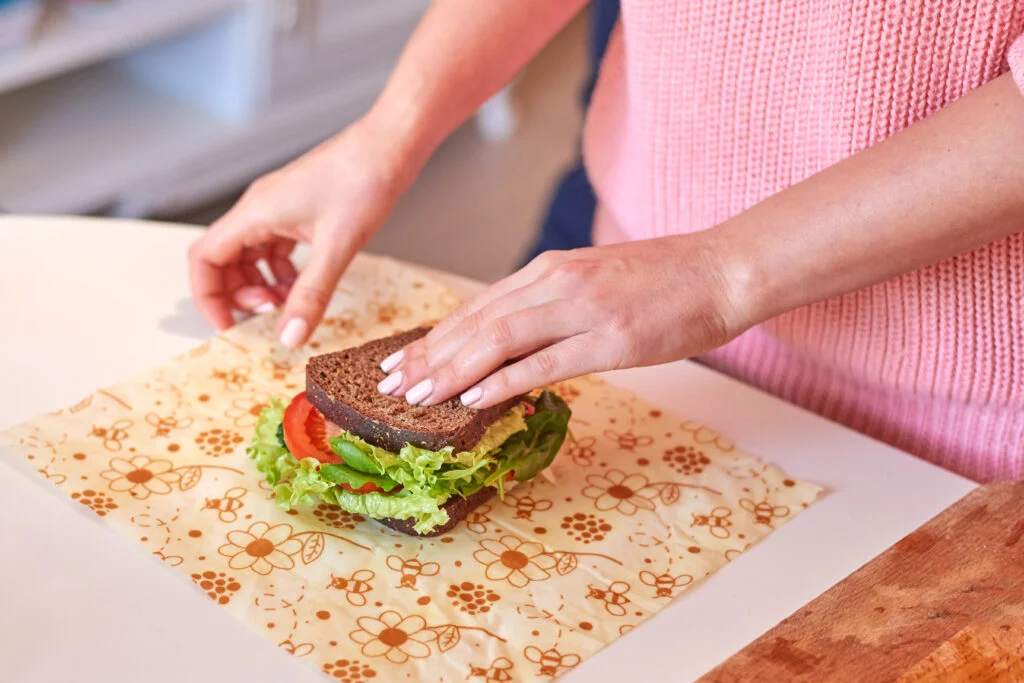
Food presentation matters in restaurants, bakeries, and takeaway shops. Customers often notice the packaging before they taste the food. A neatly lined basket or a carefully wrapped sandwich can make an order look more appealing. Custom Printed Parchment Paper provides a clean surface for serving cookies, pastries, burgers, and other suitable foods. It can also help absorb small amounts of grease, depending on the paper’s properties and the food being served. Businesses can choose designs that match their menus, interior style, or general brand appearance. For example, a bakery may prefer a simple, natural look, while a burger shop might choose bold patterns. The goal is to make food look inviting while keeping the packaging practical for everyday service.
Choosing Suitable Materials
Not all parchment paper products offer the same performance. Thickness, heat resistance, grease resistance, and food-contact suitability can vary between manufacturers. Businesses should consider how they plan to use the paper before placing an order. Baking applications require paper that can withstand the intended oven temperature, while takeaway packaging may need better resistance to oil and moisture. Some products are designed for direct food contact, but others may not be suitable for every application. Checking the manufacturer’s specifications helps prevent problems during preparation and service. It is also useful to ask for samples before committing to a large purchase. Testing the material with actual menu items gives businesses a clearer idea of its strength, appearance, and overall performance.
Building Brand Recognition
Packaging gives businesses another place to show their identity. A consistent design can help customers recognize a restaurant or bakery when they receive an order. For instance, Custom Parchment Paper With Logo allows a business to display its name or symbol on food liners and wrappers. This can be especially useful for takeaway orders, food stalls, and catering services where packaging travels beyond the shop. A simple logo often works better than a crowded design because it remains easy to recognize. Businesses should choose suitable ink, printing methods, and materials intended for food packaging. They should also confirm that the final product meets applicable food-contact requirements. With a clear design and consistent use, branded paper can support a more recognizable customer experience.
Exploring Printing Options
Printed packaging can be simple or detailed, depending on the needs of the business. Some companies choose repeating patterns, while others prefer a small brand name or a few design elements around the edges. Custom Printed Parchment Paper gives businesses a way to coordinate packaging with their wider visual identity. Before approving a design, it helps to consider how the paper will look when folded, wrapped, or placed inside a food basket. Small text may become difficult to read once the paper is folded, so clear graphics are often a better choice. Businesses should also discuss print quality, available colors, and production limits with their supplier. A sample print can reveal whether the design looks good on the selected material and remains suitable for the intended use.
Selecting Practical Formats
The right paper format depends on the speed and style of food preparation. Pre-cut sheets can save time in kitchens where staff need a consistent size for each order. Custom Parchment Paper Sheets are useful for lining trays, separating suitable baked goods, and wrapping individual items when the dimensions match the task. Rolls offer more flexibility because staff can cut the length they need. A bakery producing several product sizes may appreciate that flexibility, while a takeaway counter serving similar meals may prefer ready-to-use sheets. Storage space is another factor to consider. Rolls may fit some storage areas better, whereas stacked sheets can be easier to organize in others. Comparing formats against daily routines helps businesses reduce waste and keep service moving smoothly.
Managing Wholesale Orders
Packaging costs can add up quickly for businesses that serve many customers each day. Buying from a supplier that offers Custom Parchment Paper Wholesale may help reduce the cost per unit, depending on the order size and agreed pricing. However, a lower unit price does not always mean better value. Companies should review printing charges, delivery fees, minimum order quantities, and storage requirements before making a decision. Ordering too much paper can tie up money and create storage problems, especially if the business later changes its packaging design. It is often sensible to estimate monthly usage and compare it with supplier lead times. A reliable supplier should explain production schedules clearly and provide consistent product specifications. This makes purchasing easier to plan and helps prevent unexpected shortages.
Balancing Cost And Quality
A useful packaging budget considers more than the price printed on a quotation. Paper that tears easily, performs poorly with grease, or arrives in inconsistent sizes can create extra work and waste. Businesses should compare samples from different suppliers and test them under normal working conditions. For companies that need Custom Parchment Paper In Bulk, quality checks become especially important because a problem can affect thousands of pieces. Ask about material consistency, packaging during shipment, and the supplier’s process for handling defective orders. It is also worth checking whether the paper is suitable for the temperatures and foods involved. A dependable product may cost slightly more at first but offer better value through fewer mistakes and smoother daily operations. Clear specifications help buyers make fair comparisons between suppliers.
Planning Future Packaging Needs
A business’s packaging needs may change as its menu, customer base, or order volume grows. A new product might require a different sheet size, while a second location could increase monthly demand. Companies using custom greaseproof papers with logo should keep their artwork files, product specifications, and order details organized for future purchases. This can make repeat orders easier and help maintain a consistent appearance across locations. It is also useful to review packaging regularly rather than automatically ordering the same quantity every time. Sales patterns, seasonal demand, and storage capacity can all affect purchasing decisions. Before switching suppliers or changing materials, businesses should test the replacement carefully. Planning helps prevent rushed decisions and keeps packaging aligned with both operational needs and customer expectations.
Conclusion
Choosing the right parchment paper can improve food presentation, support cleaner handling, and give packaging a consistent appearance. Businesses should focus on the material’s intended use, available formats, print quality, and overall cost. Samples and clear product specifications make it easier to compare suppliers before committing to a large order. The best option is not always the cheapest one, but the product that fits daily operations and performs reliably.
Custom Parchment Paper can be a useful addition to a bakery, restaurant, cafe, or takeaway business when the design and material suit its needs. Start by identifying how much paper you use, which formats work best, and what features matter most. With careful planning, businesses can choose packaging that looks professional, supports efficient service, and makes sense for their budget.