
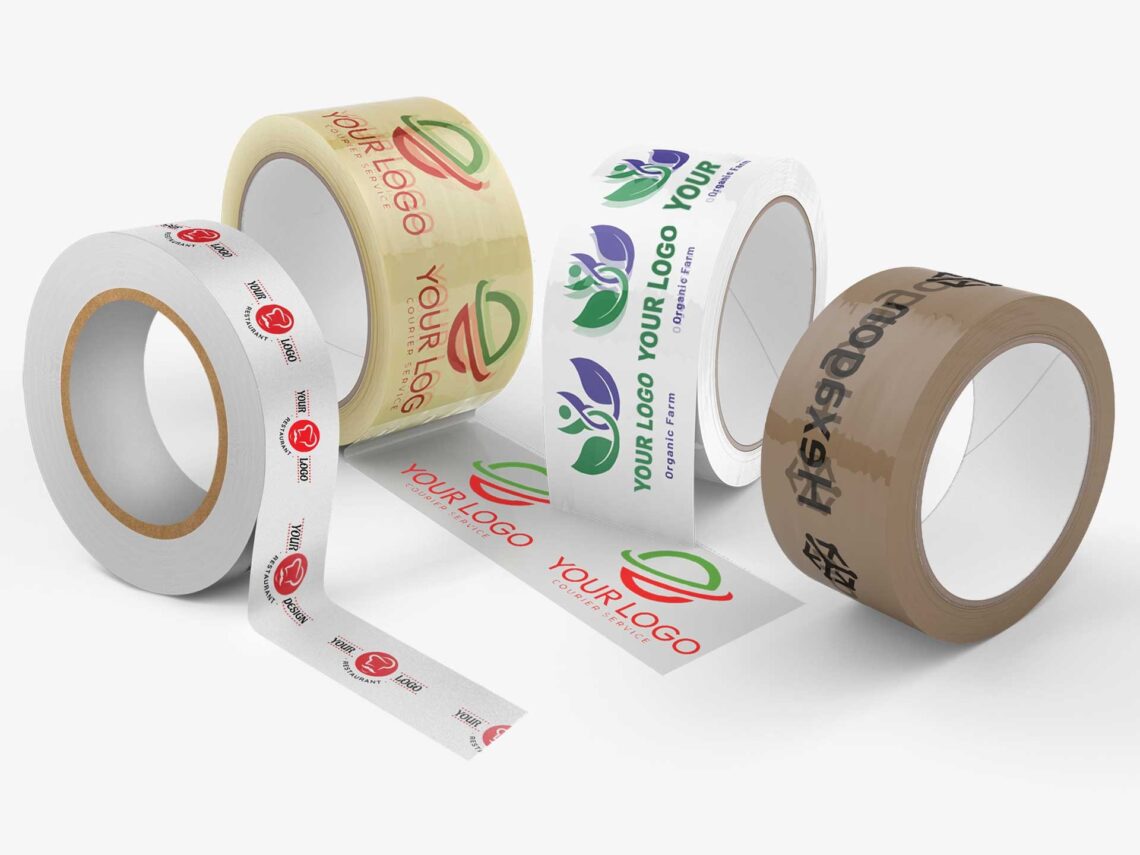
Packing a box may seem like a small part of running a business, but it can affect how customers see your brand. A well-sealed package protects its contents and creates a better first impression. The tape you use can also share your business name, colors, and message before the customer even opens the box. This is where Custom packaging tape becomes useful. It combines a practical shipping material with a simple branding opportunity. Businesses of different sizes can use it for online orders, retail products, gifts, and wholesale shipments. The right choice depends on the type of boxes you ship, the weight of your products, and the image you want to present. Understanding the available materials, printing options, and ordering methods can help you make a sensible decision without spending more than necessary.
Understanding Tape Materials
Packaging tape is available in several materials, and each option serves a slightly different purpose. Acrylic Custom packaging tape Wholesale is a common choice for everyday shipping because it offers reliable adhesion and works well for many standard cartons. Hot melt tape provides a strong initial bond, making it useful for busy packing operations. Water-activated tape creates a secure bond with cardboard and is often chosen for heavier shipments. The best material depends on your packaging conditions, including temperature, storage time, and box weight. Before placing an order, test the tape on the cartons you use most often. A small trial can reveal whether it sticks properly, unwinds smoothly, and holds the package closed during normal handling.
Building Brand Recognition
Every package that leaves your warehouse can help customers recognize your business. Plain tape closes a box, but printed designs can make the shipment more recognizable. Custom printed packaging tape allows businesses to display their names, logos, website addresses, or short messages directly on the packaging. This approach works particularly well for online stores because customers often receive the package before interacting with the product itself. A clear design can also help staff identify orders during packing and sorting. However, the artwork should remain simple enough to read at a glance. Strong contrast, suitable lettering, and a clean layout usually work better than crowded designs. Ask for a sample before approving a large production run.
Choosing Printing Options
The printing method affects the appearance, cost, and production process of your tape. Flexographic printing is commonly used for large orders because it can produce consistent designs across many rolls. Other printing methods may suit smaller quantities or designs that need different levels of detail. If your business uses several brand colors, ask the supplier how accurately those colors can be reproduced on the chosen tape material. Custom packaging tape with a logo can feature a simple symbol or a more detailed brand design, depending on the printing capabilities available. Keep in mind that the background color and surface of the tape can affect the final result. Reviewing a proof helps you catch spelling errors, unclear text, and alignment problems before production begins.
Selecting Suitable Sizes
Tape width and roll length can influence how quickly your team packs orders. Narrow tape may work for lightweight cartons, while wider tape can provide better coverage on larger boxes. The correct choice also depends on the sealing method and the strength required for your shipments. Customized packaging tape can be ordered in different sizes to match your packing stations and carton dimensions. Consider how much tape each package needs and how frequently employees replace empty rolls. A size that fits your dispensers can make daily work easier. It is also helpful to check the thickness of the tape, since thickness alone does not determine overall strength. Adhesion, backing material, and application conditions all affect performance.
Creating Memorable Unboxing
The customer experience begins before a product comes out of its box. Neat packaging can make an order feel carefully prepared, while damaged or poorly sealed cartons may create doubts about the business. Personalized packaging tape gives companies an opportunity to add a thoughtful touch without redesigning their entire packaging system. A clothing store might use a simple pattern that matches its shopping bags, while a handmade goods seller could print a short thank-you message. The design should suit the products and the people who buy them. There is no need to make the tape overly decorative. A recognizable logo, a consistent color scheme, and a clean finish can create a professional appearance while keeping the packaging practical.
Managing Roll Quantities
The number of rolls you order should reflect your shipping volume and available storage space. Small businesses may prefer shorter runs until they know which design and material work best. Larger operations often need a steady supply to avoid delays during busy periods. Custom packaging tape Rolls can be compared by length, width, material, and the number of rolls in each carton. These details matter because two suppliers may quote different prices for products that are not directly comparable. Check the usable length of each roll rather than looking only at the price per unit. It is also worth asking about lead times and repeat orders. Planning helps you maintain consistent packaging without keeping excessive stock on hand.
Planning Bulk Orders
Buying larger quantities can reduce the cost per roll, but a low unit price does not always mean better value. You should also consider shipping fees, printing setup charges, storage requirements, and the risk of unused stock. Custom packaging tape In Bulk may suit businesses with regular order volumes and stable packaging needs. Before committing, estimate how many rolls you use each month and how long the supply is likely to last. If your branding or packaging dimensions may change soon, a smaller order could be the safer option. Ask suppliers about minimum order quantities and whether they offer discounts at different volume levels. Comparing complete quotations gives you a clearer picture of the actual cost.
Finding Reliable Suppliers
A dependable supplier should explain product specifications clearly and answer questions about printing, materials, and delivery schedules. Request samples when possible, especially if the tape will seal valuable products or travel long distances. You should also check the supplier’s artwork requirements and approval process before sending your design files. Custom greaseproof papers wholesale can be a practical option for retailers, distributors, and fulfillment companies that need repeat supplies at predictable prices. Still, price should not be your only deciding factor. Consistent quality, responsive communication, and reliable delivery can save time over the long term. Read the quotation carefully and confirm what is included. Clear expectations at the start make it easier to build a useful working relationship.
Conclusion
Choosing the right Custom packaging tape involves more than selecting a design. The material must suit your cartons, the adhesive must hold during shipping, and the printed details should remain easy to recognize. Roll size, order quantity, and supplier reliability also affect the overall value. Taking time to compare these details can prevent common problems and help your packaging look consistent.
Start by reviewing your current shipping needs and testing a few suitable options. If you are ordering for the first time, choose a manageable quantity and check the finished product before making a larger commitment. A practical design and dependable tape can protect your shipments while giving customers a clearer impression of your brand.