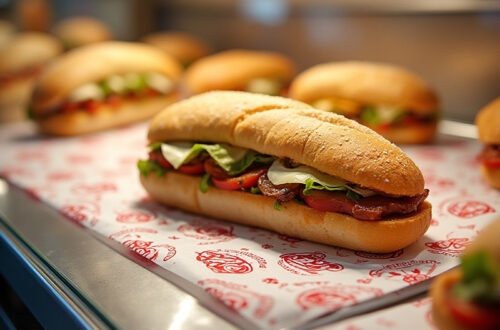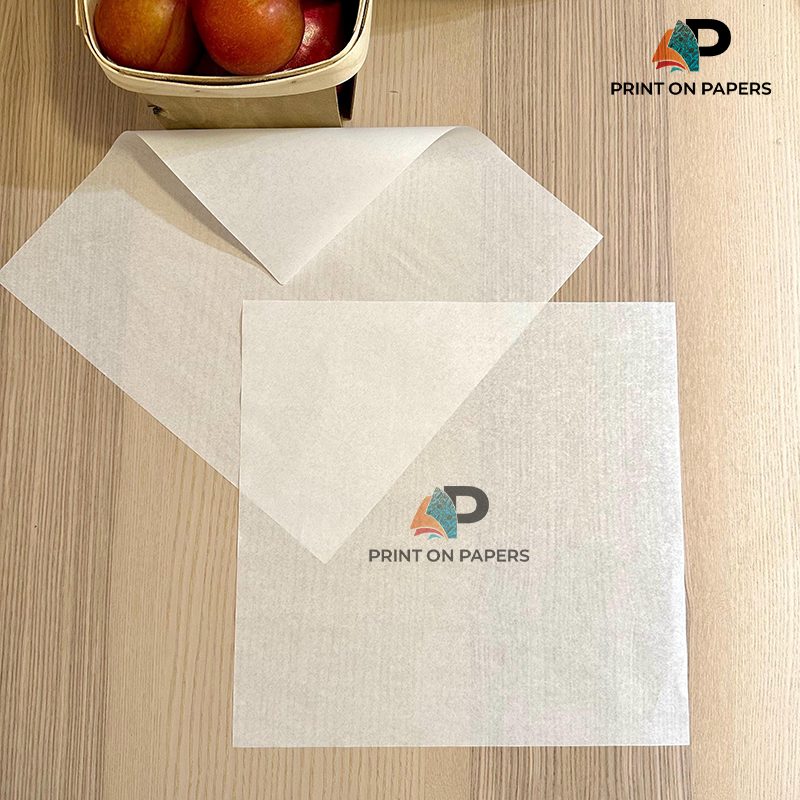
Custom glassine paper gives products a smooth, slightly see-through wrap that resists grease and moisture while still looking clean and professional. It’s a popular choice for bakeries, candy makers, and brands that want packaging with a bit of visual interest. Here’s what to know before you order.
What Is Glassine Paper?
Glassine paper is a smooth, glossy paper made through a special calendering process that packs the fibers tightly together. This gives it a semi-transparent look along with natural resistance to grease, air, and some moisture, without needing a plastic coating.
Custom glassine paper commonly comes in:
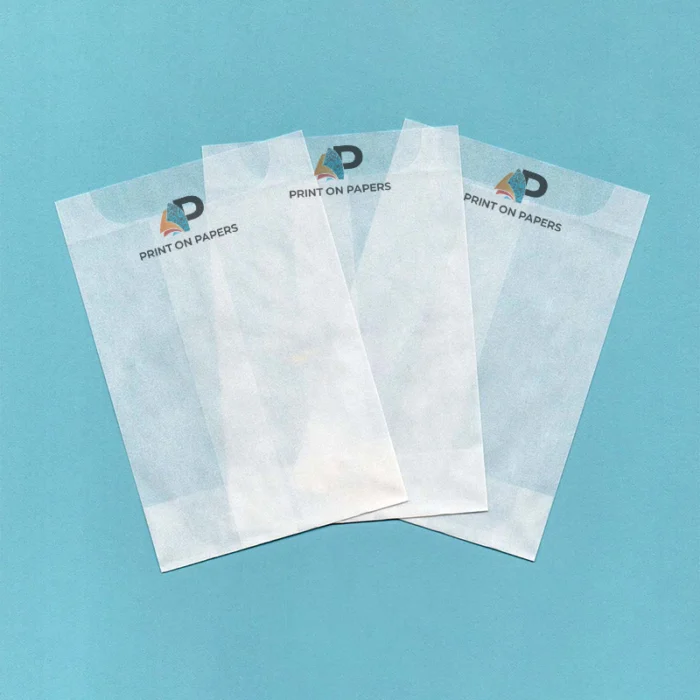
- Pre-cut sheets or bags for candy, baked goods, or small products
- Printed sheets with logos or patterns
- Different colors, including natural, white, and glassine with a tint
- Various weights depending on how much strength or transparency is needed
Bakeries, candy shops, and retailers packaging small items often choose glassine because it protects the product while still showing it off.
Why Do Businesses Use Glassine Paper?
Businesses use glassine paper because it resists grease and moisture, gives a clean and slightly transparent presentation, and holds printing well for branding. It strikes a balance that plain kraft or wax paper doesn’t offer.
Does Glassine Paper Resist Grease and Moisture?
Yes, to a moderate degree. The dense fiber structure blocks grease fairly well, which makes it a good fit for wrapping baked goods, cookies, or candy. It’s not as heavily moisture-resistant as freezer paper, so it’s better suited to short-term wrapping than long-term storage.
Why Do Bakeries and Candy Shops Like the See-Through Look?
The slight transparency lets customers see a glimpse of the product without fully exposing it, which works well for bakery bags, candy wraps, and gift packaging. It gives a premium feel without needing a plastic window.
Can Printed Glassine Paper Help With Branding?
A bag or wrap printed with a shop’s logo on glassine paper looks more refined than standard kraft paper, especially for products positioned as a treat or gift. Customers notice the texture and shine, and it often photographs well for social sharing.
Glassine Paper vs. Other Packaging Papers
Glassine paper has its own strengths, so it helps to compare it with other common options.
| Paper Type | Transparency | Grease Resistance | Best For |
|---|---|---|---|
| Glassine paper | Semi-transparent | Moderate | Candy, baked goods, small gifts |
| Kraft paper | Opaque | Low | Wrapping, bags, shipping void fill |
| Wax paper | Opaque | Moderate | Candy, baked goods, tray lining |
| Parchment paper | Opaque | High (also heat-resistant) | Baking |
Is Glassine Paper Food Safe?
Food-grade glassine paper is manufactured to meet food-contact standards, but this isn’t automatic across every glassine product, since glassine is also used in non-food applications like stamp collecting and packaging. Always confirm with your supplier that the specific paper you’re ordering is rated for food contact if that’s how you plan to use it.
What Should You Check Before Ordering Custom Glassine Paper?
Before placing an order, confirm the paper’s weight, food-contact rating if needed, and sheet or bag size for your product. A quick check here saves you from reordering later.
A simple checklist:
- Food-contact compliance. Confirm this if the paper will touch food directly, since FDA requirements apply here.
- Weight and thickness. Heavier glassine holds up better for repeated handling.
- Sheet or bag size. Matched to your product to avoid waste or a loose fit.
- Color and transparency level. Decide how much see-through effect fits your brand.
- Printing details. Send a clear logo file and request a proof before the full run.
- Minimum order quantity. Custom printed glassine usually needs a larger minimum than plain sheets.
- Turnaround time. Printed orders take longer, so plan ahead for busy seasons.
The U.S. Small Business Administration notes that supplier delays are a common challenge for growing small businesses, so confirming lead times early is worth it, especially ahead of a holiday rush.
Where Is Glassine Paper Used?
Glassine paper shows up across a range of small product and food packaging. Common uses include:
- Wrapping candy, chocolates, and confections
- Packaging cookies and small baked goods
- Lining bakery boxes and gift bags
- Wrapping small retail items like jewelry or soap
- Branding bakery and candy shop orders with a premium look
How Much Does Custom Glassine Paper Cost?
Pricing depends on the paper weight, size, and whether it’s printed. Plain glassine costs less than printed versions, since custom printing adds setup costs. Larger orders typically bring the price per sheet down.
A few things that can add to your total:
- Setup or plate fees for custom printing
- Rush fees for tight deadlines
- Shipping costs for bulk orders
- Reprint costs if a design file needs changes
Ask your supplier for a full quote that breaks down each cost, so you know exactly what to expect.
Where Can You Order Custom Glassine Paper?
If you’re looking for glassine paper sized and printed for your products, you can check what’s available at PrintOnPapers. It’s a good place to compare options and find what fits your packaging needs.
Frequently Asked Questions
How much does custom glassine paper cost?
It depends on the paper weight, size, and whether it’s printed. Printed paper costs more upfront, but the price per sheet drops with larger orders.
How do I order custom glassine paper?
Decide on your sheet or bag size and whether you want printing, then request a quote based on your order volume. Most suppliers send a proof for approval before printing the full run.
What is the minimum order for custom glassine paper?
It varies by supplier. Plain paper often has a lower minimum, while custom printed paper usually needs a larger order to cover setup costs.
How long does custom printed glassine paper take?
Plan for a few weeks on a first order, since it includes proofing and printing. Reordering the same design is usually quicker.
Is glassine paper the same as wax paper?
No, glassine paper has a smoother, semi-transparent look and is made through a different process than wax paper. Both resist grease, but glassine is often chosen for its appearance.
Is all glassine paper food safe?
Not automatically. Glassine is used in both food and non-food applications, so confirm with your supplier that the specific paper is rated for food contact if that’s your intended use.
Conclusion
Custom glassine paper gives products a clean, slightly transparent look while still handling grease and light moisture well. Choosing the right weight, size, and food-contact rating depends on what you’re packaging, whether that’s candy, baked goods, or small retail items. Confirming food safety where needed, checking order minimums, and planning for turnaround time before you order helps you avoid delays and get packaging that fits your product.