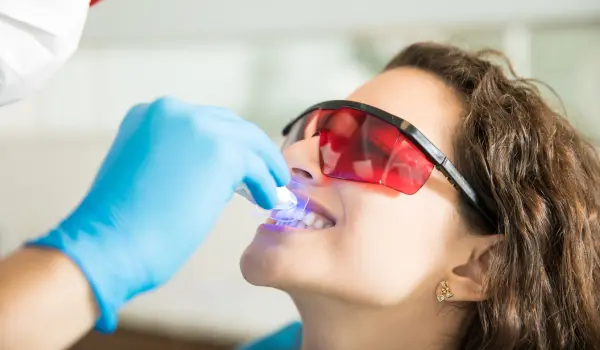
A healthy smile can make everyday interactions more comfortable and help people feel more confident about their appearance. However, concerns such as stained teeth, small gaps, chipped edges, uneven tooth shapes, or discolouration can affect how someone feels about their smile. Cosmetic dentistry offers several options to address these concerns while considering oral health, comfort, and natural-looking results.
Choosing a cosmetic dentist in Sharjah can help patients understand which treatments may suit their dental condition and personal goals. From professional teeth whitening to veneers and tooth-coloured restorations, modern cosmetic dental care focuses on improving the appearance of teeth without overlooking their function.
Understanding the available procedures, their benefits, and their limitations makes it easier to make informed decisions. Whether someone wants a subtle improvement or a more noticeable change, a personalised dental assessment is an important starting point.
What Does a Cosmetic Dentist Do?
A cosmetic dentist focuses on improving the appearance of teeth and smiles. Depending on the patient’s needs, treatment may address tooth colour, shape, size, spacing, alignment, or the appearance of damaged teeth.
Cosmetic dentistry can include procedures such as:
- Professional teeth whitening
- Dental veneers
- Tooth-coloured bonding
- Dental crowns
- Smile enhancement treatments
- Cosmetic improvements following appropriate restorative dental care
Some procedures also provide restorative benefits. For example, a dental crown can improve the appearance of a damaged tooth while helping restore its shape and strength.
Cosmetic treatment should not replace essential dental care. Before beginning an elective procedure, a dentist may need to assess tooth decay, gum health, existing restorations, and other concerns that could affect the outcome.
Common Cosmetic Dental Treatments Available in Sharjah
The most suitable procedure depends on what a patient wants to improve, the condition of their teeth, and the amount of treatment required.
1. Professional Teeth Whitening
Teeth whitening is a common option for people who want to reduce stains and improve the brightness of their smile. Teeth may become discoloured due to coffee, tea, tobacco, certain foods, ageing, or other factors.
Professional whitening uses dental bleaching agents to lighten the colour of natural teeth. A dentist can assess the cause of discolouration and recommend an appropriate approach.
Benefits may include:
- Improving the appearance of stained teeth
- Brightening natural tooth enamel
- Offering a non-invasive option for suitable patients
- Allowing the dentist to monitor treatment and manage sensitivity
Whitening does not change the colour of crowns, veneers, or fillings. Patients with existing restorations should discuss this before treatment because their natural teeth and restorations may not respond in the same way.
2. Dental Veneers for Shape and Colour
Dental veneers are thin coverings placed over the front surfaces of selected teeth. They may be made from porcelain or composite resin and can help improve the appearance of certain stains, small chips, uneven edges, or gaps.
Porcelain veneers are generally known for their natural-looking appearance and resistance to staining. Composite veneers may offer a different balance of cost, treatment time, and repairability.
However, veneers are not suitable for every patient. Some options require removing a small amount of enamel, making the decision important to consider carefully.
A dentist should explain the expected appearance, maintenance requirements, potential risks, and alternatives before recommending veneers.
3. Composite Bonding for Minor Imperfections
Composite bonding uses tooth-coloured resin to improve the shape or appearance of a tooth. It may be suitable for repairing small chips, closing selected minor gaps, or making uneven edges look more balanced.
The dentist applies and shapes the material before hardening it with a special light. The procedure can often be completed with relatively little alteration to the natural tooth, depending on the case.
Bonding may be a practical choice for people who want to address a limited cosmetic concern. However, composite resin can stain, chip, or wear over time and may require maintenance or replacement.
4. Dental Crowns for Damaged Teeth
A dental crown covers the visible portion of a tooth to restore its shape, appearance, and function. Crowns may be recommended when a tooth has substantial damage, extensive decay, or a large existing restoration.
Depending on the situation, crowns can be made from ceramic, porcelain-based materials, metal, or other dental materials.
Unlike whitening or bonding, a crown is usually a restorative treatment rather than a purely cosmetic procedure. The dentist considers the tooth’s structural condition before deciding whether a crown is appropriate.
5. Smile Enhancement and Tooth Alignment
Some patients want to improve several aspects of their smile, including tooth alignment, spacing, colour, and overall balance.
Depending on the cause of the concern, treatment may involve orthodontics, clear aligners, whitening, bonding, or a combination of procedures. Orthodontic treatment can move teeth into improved positions, whereas veneers and bonding change the visible appearance of individual teeth.
Correctly identifying the underlying issue helps avoid unnecessary treatment. For example, significant alignment problems may require orthodontic assessment rather than being addressed with veneers alone.
How to Choose the Right Cosmetic Dentist in Sharjah
Selecting a dentist involves more than comparing treatment prices or looking at photographs of completed smiles. Patients should consider professional qualifications, treatment planning, communication, and the long-term health of their teeth.
Check Qualifications and Clinical Experience
Look for a dentist who is appropriately licensed to practise in Sharjah and has relevant experience with the procedure being considered. Patients can ask about the dentist’s training, the materials used, and how similar dental concerns are typically managed.
It is also reasonable to ask about potential complications and what follow-up care may be necessary.
Request a Personalised Assessment
Every smile is different. A suitable treatment plan should account for tooth structure, gum condition, bite alignment, existing dental work, and the patient’s expectations.
During a consultation, the dentist may examine the teeth and gums, review dental history, and recommend imaging if clinically necessary.
A personalised assessment can help determine whether a simple procedure is sufficient or whether additional treatment is needed first.
Understand the Costs and Maintenance
The cost of cosmetic dentistry varies according to the procedure, number of teeth treated, materials selected, and complexity of the case.
Before agreeing to treatment, patients should ask for a clear explanation of:
- The proposed procedure and its total cost
- What is included in the treatment plan
- Whether additional appointments may be needed
- The expected lifespan and maintenance of restorations
- Available alternatives and their limitations
A lower initial cost does not always mean better long-term value. Durability, suitability, and the amount of healthy tooth structure preserved are also important considerations.
What Happens During a Cosmetic Dental Consultation?
A cosmetic dental consultation helps the dentist understand the patient’s concerns and determine which options may be appropriate.
The process commonly includes the following steps:
- Discussing smile goals: The patient explains what they would like to change, such as tooth colour, spacing, or shape.
- Examining oral health: The dentist checks the teeth, gums, bite, and existing restorations.
- Identifying suitable options: Different procedures are discussed, including their benefits, limitations, and possible risks.
- Planning treatment: The dentist outlines the recommended sequence, estimated costs, and expected appointments.
- Discussing aftercare: The patient receives guidance on maintaining the results and protecting their oral health.
Not every patient needs a complex treatment plan. In some cases, professional cleaning or whitening may be enough to address the main concern. In others, restorative or orthodontic care may be more appropriate.
How to Maintain Your Smile After Cosmetic Treatment
The long-term appearance of a smile depends partly on everyday oral hygiene and regular dental care. Cosmetic procedures do not eliminate the need to protect natural teeth and gums.
Helpful habits include:
- Brush twice daily with fluoride toothpaste.
- Clean between the teeth daily using floss or suitable interdental cleaners.
- Attend regular dental check-ups and professional cleaning when recommended.
- Limit frequent exposure to sugary foods and drinks.
- Avoid smoking and tobacco products, which can contribute to staining and oral health problems.
- Avoid biting hard objects or using teeth to open packaging.
- Follow the dentist’s instructions for whitening, veneers, bonding, crowns, or other restorations.
People who grind or clench their teeth may benefit from an assessment because these habits can damage restorations. A dentist may recommend a protective night guard when appropriate.
Patients should also understand that cosmetic treatments have different maintenance needs. Whitening may require occasional touch-ups, while veneers, bonding, and crowns may eventually need repair or replacement.
Why a Healthy Foundation Matters Before Cosmetic Treatment
A cosmetic improvement is most effective when it is planned around healthy teeth and gums. Untreated tooth decay, gum inflammation, or other oral health concerns may need attention before elective procedures begin.
For example, whitening may not be appropriate for someone with certain types of tooth sensitivity or untreated dental problems. Similarly, veneers may be unsuitable when a tooth has insufficient healthy structure or when bite-related forces create a high risk of damage.
Patients should share relevant medical and dental history with their dentist, including previous procedures, current medications, allergies, and any ongoing symptoms.
If a tooth is painful, swollen, or unusually sensitive, the cause should be evaluated before focusing on appearance. Cosmetic dentistry should support oral health rather than conceal a problem that needs treatment.
Frequently Asked Questions
1. What is the best cosmetic dental treatment for improving a smile?
The best treatment depends on the concern. Whitening may help with stains, bonding can improve small chips, and veneers may address selected concerns involving shape or colour. A dental examination helps identify the safest and most appropriate option.
2. Is cosmetic dentistry painful?
Discomfort varies by procedure. Whitening can cause temporary sensitivity, while bonding may require little or no anaesthesia in suitable cases. Veneers and crowns may require local anaesthesia during tooth preparation. The dentist should explain what to expect before treatment.
3. How long do cosmetic dental treatments last?
Longevity depends on the procedure, materials, oral hygiene, diet, and habits such as teeth grinding. Whitening results may fade over time, while bonding, veneers, and crowns can last for years with appropriate care. No treatment has a guaranteed lifespan.
4. Can cosmetic dentistry fix crooked teeth?
Some minor visual irregularities may be improved with bonding or veneers, but orthodontic treatment may be more suitable for correcting tooth position and bite problems. A dentist can explain whether cosmetic or orthodontic treatment is appropriate for the specific concern.
5. How should I prepare for a cosmetic dental appointment?
Think about the changes you would like to make and any concerns you have about sensitivity, appearance, or cost. Bring information about previous dental treatments and current medications. The dentist can then assess your oral health and discuss suitable options.
Conclusion
Cosmetic dentistry can help improve tooth colour, shape, spacing, and the overall appearance of a smile. The right approach depends on individual needs, existing oral health, treatment goals, and the long-term care required for each procedure. Understanding the available options helps patients make informed decisions without compromising the health of their natural teeth.
For people exploring cosmetic dental care, Dr. Dalia Siddig can be a starting point for discussing smile-related concerns and understanding which treatment options may be appropriate. A professional dental assessment can help clarify the next steps towards a healthier, more natural-looking smile.