Small bathrooms present a unique design challenge, but they also offer an opportunity for creative, efficient, and stylish solutions. A well-executed small bathroom remodel can transform a cramped, awkward space into a highly functional and beautiful room that feels much larger than its actual square footage. The key is making every decision with intentionality, from the layout to the fixtures to the tile selection.
The most successful small bathroom renovations focus on three primary goals: maximizing storage, improving the sense of space, and selecting fixtures that fit the room’s proportions. With the right approach, even a bathroom as small as 40 or 50 square feet can feel comfortable, organized, and stylish. Many small bathroom transformations cost less than a large bathroom renovation while delivering equally impressive results.
Small Bathroom Big Potential: What Is Possible
Before selecting any fixtures or finishes, carefully evaluate your current layout. In a small bathroom, the position of the toilet, vanity, and shower or tub has a significant impact on how usable the space feels. If a full-size bathtub is consuming valuable floor space that you rarely use, replacing it with a compact walk-in shower can dramatically improve both the functionality and the feel of the room.
Pocket doors or barn-style sliding doors eliminate the floor space consumed by a swinging door, which can make a meaningful difference in a tiny bathroom. Corner sinks and corner showers make use of awkward angles that often go unused. Consider the traffic flow through the space carefully, ensuring that opening the bathroom door does not conflict with access to the toilet or vanity. Small changes in fixture placement can make a bathroom feel dramatically more functional.
Layout Strategies That Maximize Every Square Foot
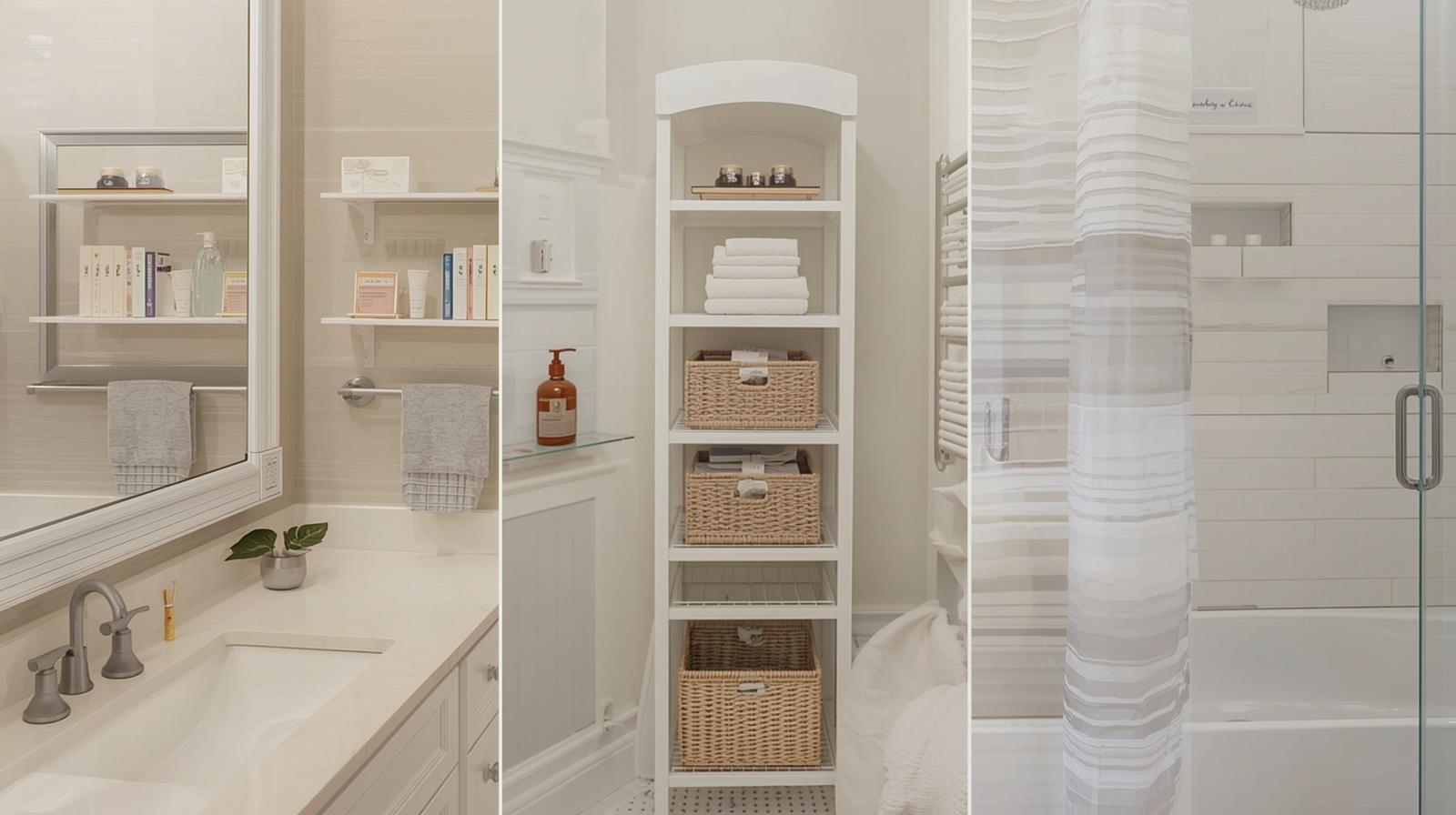
Storage is the most common complaint about small bathrooms. The good news is that numerous creative storage solutions can dramatically increase your storage capacity without consuming more floor space. A floating or wall-mounted vanity creates visual space by exposing the floor beneath, making the room feel larger, while providing under-vanity storage above the floor.
Recessed niches in shower walls provide storage for shampoo and soap without protruding into the shower space. Over-toilet shelving units or built-in recessed shelves above the toilet take advantage of otherwise wasted vertical space. A mirrored medicine cabinet combines storage with a mirror, eliminating the need for a separate mirror while providing valuable shelf space. Towel bars and hooks on the back of the door and on walls maximize every available surface.
Smart Storage Solutions for Tiny Bathrooms
The perception of space in a small bathroom is dramatically affected by color, light, and tile choices. Light, neutral colors on walls and floors create an airy feeling that makes small spaces feel more open. White, soft gray, pale blue, and warm cream are perennial favorites for small bathrooms. If you want to add color, introduce it through towels and accessories rather than paint, allowing you to change the look easily.
Maximize natural light whenever possible. If your bathroom has a window, keep window treatments minimal or opt for frosted glass that provides privacy while allowing light to pass through. Artificial lighting should be layered, with ceiling fixtures supplemented by lighting around the mirror. A single overhead light creates unflattering shadows when you are at the vanity. Sconces on either side of the mirror provide even, shadow-free task lighting.
Light and Color Tricks That Make Small Bathrooms Feel Larger
Selecting fixtures that are appropriately scaled for a small bathroom is critical. An oversized vanity in a small room dominates the space and limits functionality. A compact 24-inch vanity with thoughtfully designed storage can serve the same purposes as a larger unit while leaving significantly more floor space. Pedestal sinks open up even more floor space but sacrifice under-sink storage.
Large-format tiles, contrary to what many people assume, actually make a small bathroom feel larger because fewer grout lines create a more seamless visual field. Continuing the same tile from the floor into the shower and partway up the walls reinforces this effect. Walk-in showers with frameless glass enclosures feel much more open than showers enclosed with framed shower doors or curtains, which visually cut the space in half.
Fixture and Fitting Choices for Compact Bathrooms
Small bathroom renovations can range from a few thousand dollars for a cosmetic refresh to $15,000 or more for a full gut renovation. Establishing a realistic budget before you begin is essential. The most expensive elements in any bathroom renovation are labor for tile work and plumbing changes. If you can keep plumbing fixtures in their existing locations, you avoid the significant cost of moving drain and supply lines.
Prioritize the elements that will have the most visual impact and functional improvement. New tile, a fresh vanity, and updated fixtures transform the appearance of a bathroom dramatically. Save money by keeping the toilet in place if it is in good condition. Shop for floor and wall tiles at tile outlets or during sales where quality tiles are available at significant discounts. Get multiple contractor quotes and check references carefully before committing to a remodel partner.