Basement Waterproofing Prevention Tips: Protect Your Home from Water Damage
Basement water problems cause extensive damage, mold growth, and costly repairs. Prevention is far more effective and affordable than remediation. These essential waterproofing tips help protect your basement from moisture intrusion, preserving your home’s structural integrity and indoor air quality.
Understanding Basement Water Issues
Water enters basements through three main pathways: groundwater seeping through foundation walls and floors, surface water flowing toward the foundation, and condensation from humid air. Identifying your specific water source determines which prevention strategies will be most effective.
Common signs of basement water problems include musty odors, visible mold, efflorescence (white mineral deposits on walls), peeling paint, warped wood, and damp spots. Addressing these issues early prevents serious structural damage and health hazards.
Tip 1: Grade Your Landscape Properly
The ground around your foundation should slope away from your home at least 6 inches over 10 feet. This simple grading directs rainwater away from your basement rather than pooling against foundation walls. Add soil to low areas and compact it firmly. Maintain this slope by checking annually, as soil settles over time.
Avoid landscaping that directs water toward your foundation. Remove soil from flower beds directly adjacent to your house and ensure mulch doesn’t create dams against foundation walls. This fundamental step prevents most surface water problems and costs only time and basic materials.
Tip 2: Install and Maintain Gutters
Gutters collect roof runoff and direct it away from your foundation. Clean gutters at least twice yearly, removing leaves and debris that cause overflow. Ensure downspouts extend at least 5-10 feet from your foundation, using downspout extensions or underground drain pipes.
Consider installing gutter guards to reduce maintenance. Check that gutters slope properly toward downspouts—standing water indicates improper pitch. Replace damaged or sagging gutters promptly. This prevention method protects against thousands of gallons of water that would otherwise saturate soil around your foundation.
For home maintenance guides, visit Bob Vila.
Tip 3: Seal Foundation Cracks
Even small foundation cracks allow water entry. Inspect your basement walls and floors annually for cracks. Seal minor cracks (less than 1/4 inch) with hydraulic cement or polyurethane caulk specifically designed for masonry. These products expand to fill gaps and create waterproof barriers.
Clean cracks thoroughly before sealing, removing loose concrete and debris. For larger cracks or those that widen over time, consult structural engineers as they may indicate serious foundation issues. Interior sealing prevents water intrusion while exterior sealing provides even better protection.
Tip 4: Install a Sump Pump System
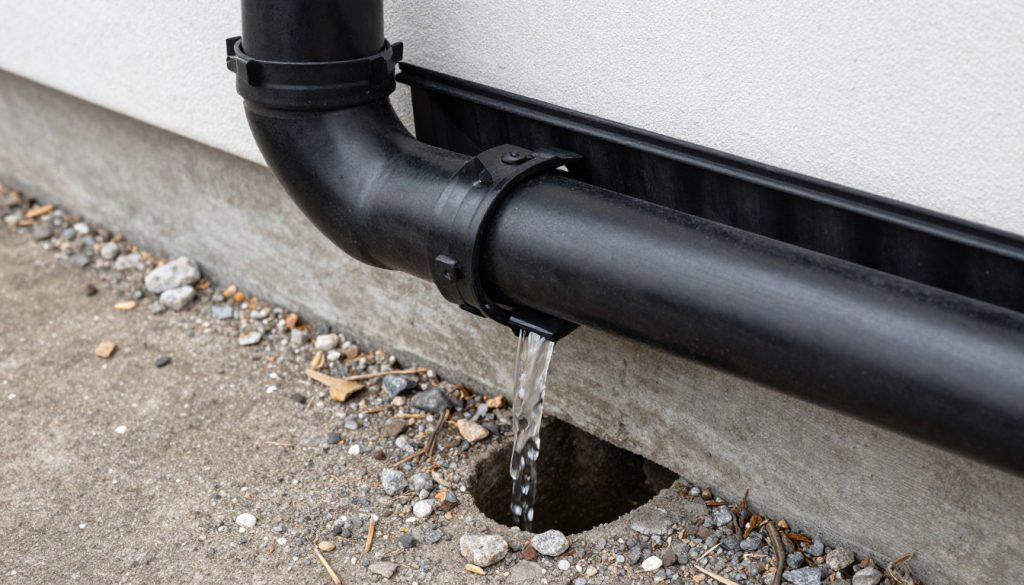
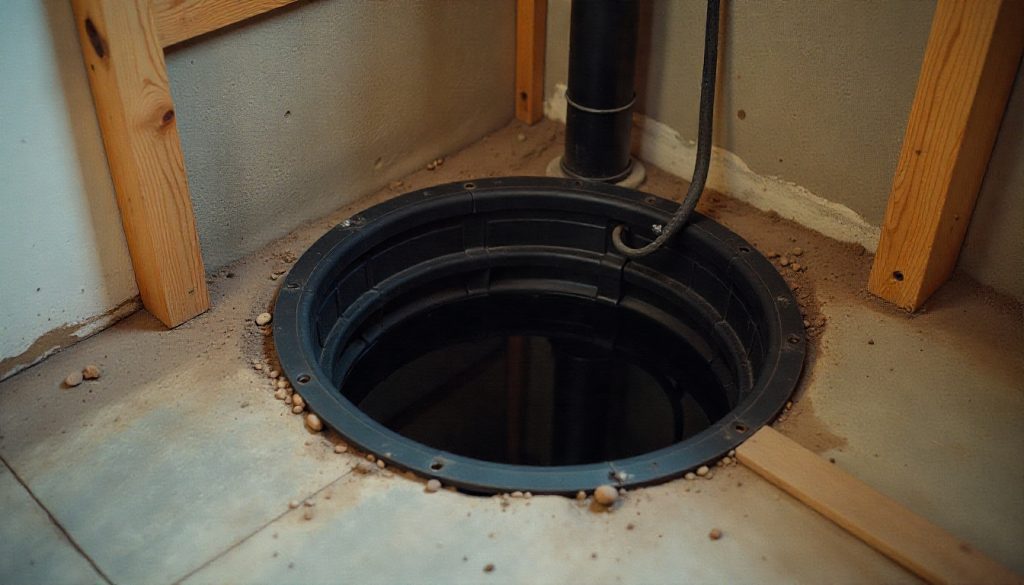
Sump pumps remove water that accumulates in basements, especially in areas with high water tables. A properly installed sump pump system includes a pump, discharge pipe directing water away from your foundation, and battery backup for power outages.
Test your sump pump quarterly by pouring water into the pit until the pump activates. Clean the pit annually and consider replacing pumps every 7-10 years. Install a check valve on the discharge line to prevent water from flowing back into the pit.
Tip 5: Improve Interior Drainage
Interior drainage systems collect water before it enters living spaces. Installing interior drain tile along foundation footings channels water to sump pumps. This method works well for homes with persistent water problems.
Ensure basement floor drains remain clear and functional. Pour water down drains monthly to keep traps filled, preventing sewer gas entry. If you have a basement bathroom or laundry area, maintain proper drainage to prevent overflows.
For basement improvement tips, explore Family Handyman.
Tip 6: Control Indoor Humidity
Condensation causes significant basement moisture problems. Use dehumidifiers to maintain humidity below 50%. Insulate cold water pipes to prevent condensation. Ensure dryer vents exhaust outside, not into basements.
Improve ventilation by opening windows when weather permits or installing exhaust fans. Avoid drying clothes on indoor racks in basements. Consider vapor barriers on walls in humid climates.
Tip 7: Waterproof Basement Walls
Apply waterproofing paint or sealers to interior basement walls. These products create barriers against moisture transmission while allowing walls to breathe. Choose products specifically designed for below-grade applications.
For exterior waterproofing, excavate around foundations and apply waterproof membranes or coatings directly to foundation walls. While expensive, exterior waterproofing provides superior long-term protection. Add drainage boards to help water drain to footer drains.
Tip 8: Maintain Your Foundation
Keep vegetation away from foundations—roots can damage foundation walls and trap moisture. Avoid storing items directly against basement walls as they prevent air circulation and hide water problems. Repair mortar joints in masonry foundations before deterioration allows water entry.
Monitor for foundation settling or movement. Vertical cracks often indicate settling while horizontal cracks may signal serious structural issues requiring professional assessment.
For professional home advice, visit Angi.
Prevention Investment Benefits
Preventive waterproofing costs hundreds to a few thousand dollars depending on methods chosen. Water damage remediation costs $5,000-$25,000 or more, not including mold removal, content replacement, or structural repairs. Prevention also maintains home value, prevents health issues from mold, and preserves finished basement living spaces.
Regular maintenance prevents most basement water problems. Annual inspections, gutter cleaning, crack sealing, and proper grading cost little but provide tremendous protection against water damage.