Have you ever wondered why some cotton towels feel thick, fluffy, and comfortable while others become rough after only a few washes? The difference is not always related to price or quality. Towel softness is closely connected to the structure of cotton fibers, the way loops are constructed, and how the fabric is washed and dried over time.
Cotton towels are designed to absorb moisture while providing a comfortable feel against the skin. Their familiar softness comes from thousands of tiny loops woven into the fabric. These loops create a surface that feels plush, helps hold water, and gives towels their distinctive texture. However, everyday laundry habits can gradually affect their flexibility and appearance.
Understanding the science behind towel softness makes it easier to care for cotton fabric properly. From fiber structure to detergent residue, several factors influence how towels feel after every wash. With the right approach and practical Tips To Keep Towels Soft, you can help maintain their fluffy texture, absorbency, and overall performance.
How Cotton Fibers Create Soft and Fluffy Towels
Cotton is a natural plant-based fiber widely used in towels because of its absorbency, comfort, and versatility. Individual cotton fibers contain cellulose, a natural material that gives them strength and flexibility.
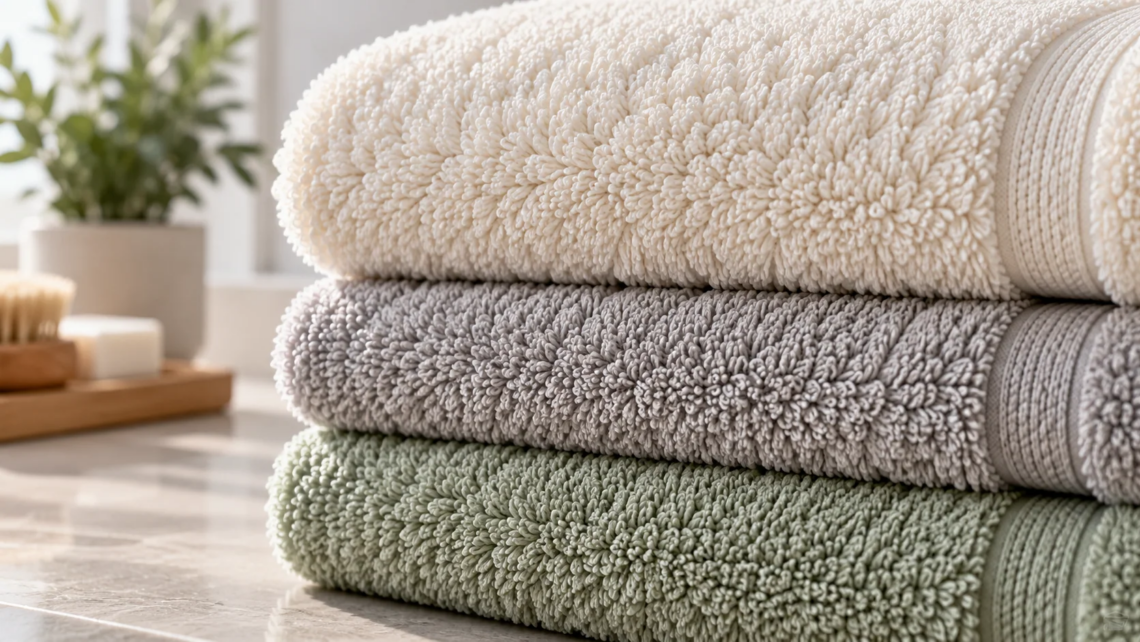
During textile manufacturing, cotton fibers are spun into yarn and woven or knitted into fabric. In towels, the yarn is arranged to create loops that extend from the base fabric. These loops are responsible for much of the towel’s familiar softness and absorbent surface.
Unlike a smooth fabric, terry cotton has a raised structure that creates small spaces between the loops. These spaces help the towel hold moisture while allowing the fabric to feel thick and comfortable.
The length, density, and arrangement of the loops can influence the finished towel. Longer loops often create a fuller appearance, while the quality of the cotton yarn and manufacturing process also contribute to its texture.
However, even well-made cotton towels need appropriate care. Repeated washing, residue buildup, and excessive heat can affect the fibers and make the loops feel less flexible.
Why Cotton Loops Become Less Fluffy Over Time
The fluffy texture of a towel depends on its loops remaining reasonably separated and flexible. When these loops become compressed, coated with residue, or affected by fabric wear, the towel may start feeling rough.
One common reason is detergent buildup. Using more detergent than necessary can make rinsing difficult, especially when the washing machine is overloaded. Remaining detergent may accumulate between fibers and contribute to a stiff or coated texture.
Hard water can also play a role. Water containing higher levels of calcium and magnesium may interact with laundry products and contribute to mineral deposits on fabric.
Another factor is physical wear. Towels experience repeated movement inside washing machines and dryers. Over time, friction can affect the yarn and gradually change the surface texture.
These changes are not always signs that a towel is poor quality. Sometimes, small adjustments to everyday laundry habits can help prevent unnecessary deterioration.
The Role of Air Between Towel Loops
One interesting part of towel construction is the space created between cotton loops.
The raised loops give terry towels their thickness and help create a soft surface. These spaces also contribute to the way towels interact with water and air.
When a towel is used, moisture moves into the spaces between its fibers through capillary action. This process helps distribute water throughout the fabric rather than leaving all the moisture on the surface.
The structure also affects how a towel feels. Loops that remain flexible and reasonably separated create a fuller texture. When they become flattened or coated with residue, the towel may feel denser and less comfortable.
This is one reason proper drying matters. Towels should be allowed to dry completely, with enough airflow around the fabric. Gently shaking them before hanging or tumble drying can help loosen compressed loops and improve their overall feel.
How Washing Temperature Affects Cotton Fibers
Water temperature influences how effectively laundry products clean towels and how the fabric responds to washing.
Warm water can help remove certain types of dirt and oily residue, depending on the detergent and washing cycle. However, using very high temperatures for every wash is not automatically better.
Repeated exposure to excessive heat may contribute to shrinkage, fading, or gradual fabric wear, depending on the towel’s construction and finishing.
The most suitable temperature is the one recommended on the care label. Cotton towels often tolerate warmer washing conditions, but individual products can have different requirements.
Choosing the correct cycle is equally important. A suitable program should provide enough movement and rinsing without exposing the fabric to unnecessary stress.
Following these instructions is among the practical Tips To Keep Towels Soft because it helps balance effective cleaning with long-term fabric care.
Why Too Much Detergent Can Make Towels Stiff
Detergent is essential for removing body oils, dirt, and everyday stains. However, using excessive amounts can create problems that affect the texture of towels.
When detergent is not rinsed away properly, residue may remain between the cotton loops. This can make the fabric feel heavier or less flexible.
The risk may increase when a washing machine is overloaded because bulky towels need enough space to move freely during the cycle.
To avoid unnecessary buildup, measure detergent according to the product instructions. Consider the laundry load size, soil level, detergent concentration, and water hardness before deciding how much to use.
It is also worth limiting fabric softener. Although it can make some fabrics feel smoother, conditioning ingredients may coat towel fibers and reduce their ability to absorb moisture.
For towels, maintaining absorbency is just as important as achieving a soft surface.
The Connection Between Drying and Towel Fluffiness
Drying is another important stage in maintaining the texture of cotton towels.
When towels are wet, their fibers and loops can become compressed. As moisture leaves the fabric, the way towels are handled can influence their final feel.
A tumble dryer can help loosen the loops through movement, but excessive heat or unnecessarily long drying cycles may contribute to fabric wear.
If using a dryer, select a setting suitable for the towel’s care instructions. Avoid leaving towels inside for longer than necessary.
Air drying is also a suitable option. Hang towels in a well-ventilated area and leave enough space between them to support airflow. Towels should dry completely before being folded or stored.
Gently shaking each towel before drying can help separate compressed loops and improve its texture.
Practical Tips To Keep Towels Soft Without Damaging Them
Maintaining fluffy cotton towels does not require a complicated laundry routine. Consistent care and a few sensible adjustments can make a noticeable difference.
Here are some useful Tips To Keep Towels Soft and preserve their everyday performance.
- Measure detergent carefully instead of automatically using more.
- Avoid overloading the washing machine with bulky towels.
- Follow the recommended washing temperature on the care label.
- Limit frequent fabric softener use to help preserve absorbency.
- Consider water hardness if towels repeatedly feel stiff.
- Use an appropriate drying temperature and avoid excessive heat.
- Shake towels gently before hanging or tumble drying.
- Allow towels to dry completely before storing them.
- Keep storage cupboards clean, dry, and well ventilated.
- Wash towels according to their material and care instructions.
These habits help reduce unnecessary stress on cotton fibers while supporting better cleaning and drying results.
Does Cotton Quality Make a Difference?
Yes. The type and quality of cotton can influence how a towel feels, how well it absorbs moisture, and how it performs with regular use.
Cotton varieties differ in fiber length and characteristics. Longer cotton fibers can be spun into smoother, stronger yarns, which may contribute to a softer and more durable fabric.
However, fiber quality is only one part of the picture. Yarn construction, loop design, fabric weight, and manufacturing standards also affect the finished towel.
A heavier towel is not automatically softer or better. Its comfort depends on the combination of materials and construction rather than weight alone.
Proper care remains important regardless of the cotton type. Even premium towels can lose some of their original texture if they are repeatedly exposed to unsuitable washing and drying conditions.
When Cotton Towels Naturally Lose Their Softness
No towel remains exactly the same forever. Regular use, washing, drying, and friction gradually affect textile fibers.
Over time, cotton loops may become worn, yarn may weaken, and the towel may lose some of its original thickness. These changes are a normal part of fabric aging.
If a towel becomes noticeably thin, develops damaged edges, or no longer absorbs water effectively, it may be approaching the end of its useful life.
However, roughness alone does not always mean replacement is necessary. Reviewing detergent use, water conditions, washing machine capacity, and drying methods may help identify the cause.
Give Cotton Towels the Care Their Fibers Need
The softness of a cotton towel comes from more than its material. Its fiber quality, yarn construction, raised loops, and everyday care routine all contribute to the way it feels.
When cotton loops remain flexible and free from excessive residue, towels are more likely to maintain their comfortable texture and absorbency. On the other hand, unsuitable washing habits, mineral deposits, and excessive drying can gradually affect their performance.
Understanding these factors makes towel care easier and more effective. By following practical Tips To Keep Towels Soft, you can protect the fabric from avoidable wear and maintain a fresher, more comfortable feel.
A consistent laundry routine is often the simplest way to enjoy soft, fluffy towels for longer without relying on unnecessary products or complicated treatments.