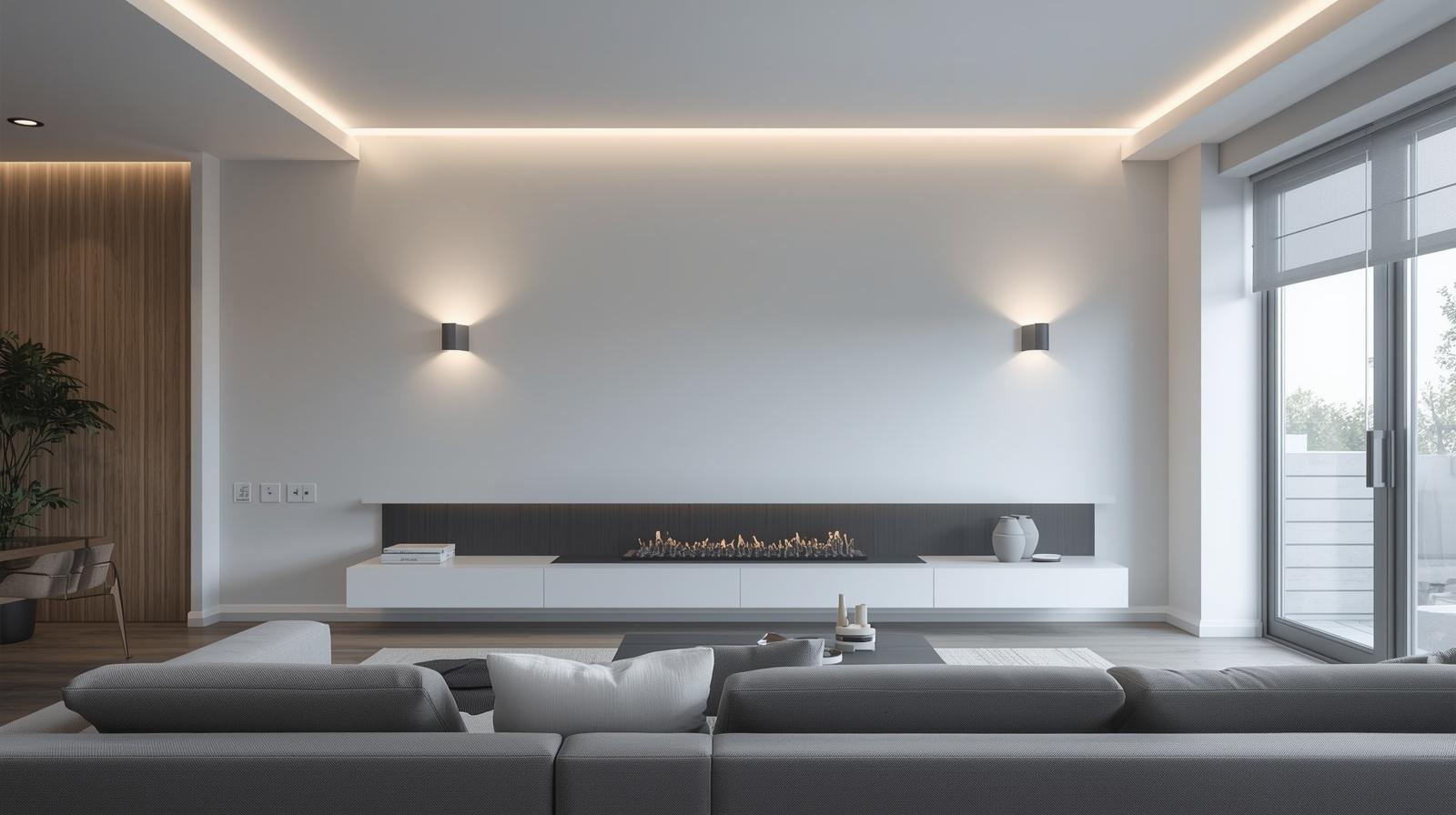

Paint is one of the most transformative and cost-effective changes you can make in your home. Yet choosing the wrong paint, whether the wrong color, finish, or quality level, can lead to disappointing results that require repainting sooner than expected. Understanding how to select the right paint for each specific room and application ensures a beautiful, durable finish that enhances your home for years.
The paint selection process involves several interrelated decisions: choosing the right finish or sheen level for the room’s function, selecting a color that works in the specific lighting conditions of the space, deciding between interior and exterior formulations, and choosing a quality level appropriate for the investment. Each decision affects both the immediate appearance and the long-term performance of your paint job.
Why Paint Choice Matters More Than You Think
Paint finish, also called sheen, refers to how much light the dried paint reflects. The options range from flat or matte through eggshell, satin, semi-gloss, and gloss. Each finish has specific strengths and ideal applications. Flat paint has no sheen and hides imperfections beautifully, making it the best choice for ceilings and low-traffic living rooms and bedrooms where a smooth, non-reflective appearance is desired.
Eggshell has a very slight sheen and is more washable than flat paint, making it a good choice for bedroom walls, dining rooms, and living areas that see moderate use. Satin finish has a gentle sheen and good durability, ideal for hallways, children’s rooms, and family rooms. Semi-gloss is highly durable and moisture-resistant, making it the standard choice for kitchen and bathroom walls, trim, doors, and cabinets. High-gloss is reserved for surfaces that need maximum durability and a dramatic, reflective finish such as furniture and cabinetry.
Understanding Paint Finishes and When to Use Each
Color psychology plays an important role in room design. Different colors affect mood and perception in measurable ways. Cool colors like blues and greens create a calm, restful atmosphere that works beautifully in bedrooms and home offices. Warm colors like yellows, oranges, and reds are energizing and social, making them popular in kitchens and dining rooms. Neutral tones like white, gray, and beige provide a versatile backdrop that complements various furniture styles and adapts easily to changing decor.
Consider the function of each room when selecting colors. Bedrooms benefit from soothing, restful palettes. Kitchens can handle more energetic colors since time spent there tends to be active. Home offices benefit from colors that promote focus without causing eye fatigue. Children’s rooms often suit brighter, more playful palettes. Open-plan spaces benefit from a cohesive color story that creates visual flow from one area to the next.
Choosing Colors for Different Rooms and Functions
The single most important factor in how a paint color looks in a room is lighting, both natural and artificial. The same paint color can look dramatically different in different lighting conditions, which is why colors that look perfect on a sample chip in the store can be surprising when applied to the full wall. Before committing to a color, paint large sample patches on multiple walls and observe them at different times of day.
North-facing rooms receive cool, indirect light that can make warm colors look muted and cool colors look even cooler. South-facing rooms receive warm, abundant light that intensifies colors and allows most palettes to work well. East-facing rooms have warm morning light that becomes cooler in the afternoon. West-facing rooms are cool in the morning and warm in the afternoon and evening. Artificial lighting also affects color significantly. Incandescent and warm LED lighting enhances warm tones, while cool daylight bulbs shift the perception of all colors slightly cooler.
How Lighting Affects Paint Color in Your Space
Paint quality varies enormously, and the difference in performance between economy and premium paints is substantial. Higher-quality paints contain more pigment and better binders, resulting in better coverage, truer colors, and longer-lasting durability. In most cases, premium paint requires fewer coats to achieve full coverage, which reduces labor time and makes the higher per-gallon cost more economical than it initially appears.
For high-traffic areas, kitchens, bathrooms, children’s rooms, and trim, investing in quality paint is strongly recommended. The durability and washability of premium paints means they maintain their appearance much longer, delaying the need for repainting. For ceilings and low-traffic areas, a good quality mid-grade paint provides adequate performance. Consider buying a premium brand for walls and a mid-range product for ceilings as a compromise approach.
Quality vs. Budget: Making the Right Paint Investment
The quality of your paint application is at least as important as the quality of the paint itself. Surface preparation is the foundation of any successful paint job. Wash walls with a mild cleaner to remove dirt and grease. Fill holes and cracks with spackling compound and sand smooth. Apply primer to new drywall, over stains, when making dramatic color changes, or when switching from a dark to a light color.
Use quality brushes and rollers appropriate for your paint type. A high-quality roller with the appropriate nap thickness for your wall texture produces a more even finish with less spattering than a cheap roller. Apply paint in consistent, overlapping strokes and maintain a wet edge to avoid lap marks. Two thin coats produce a better result than one thick coat. Allow adequate drying time between coats as specified by the manufacturer.