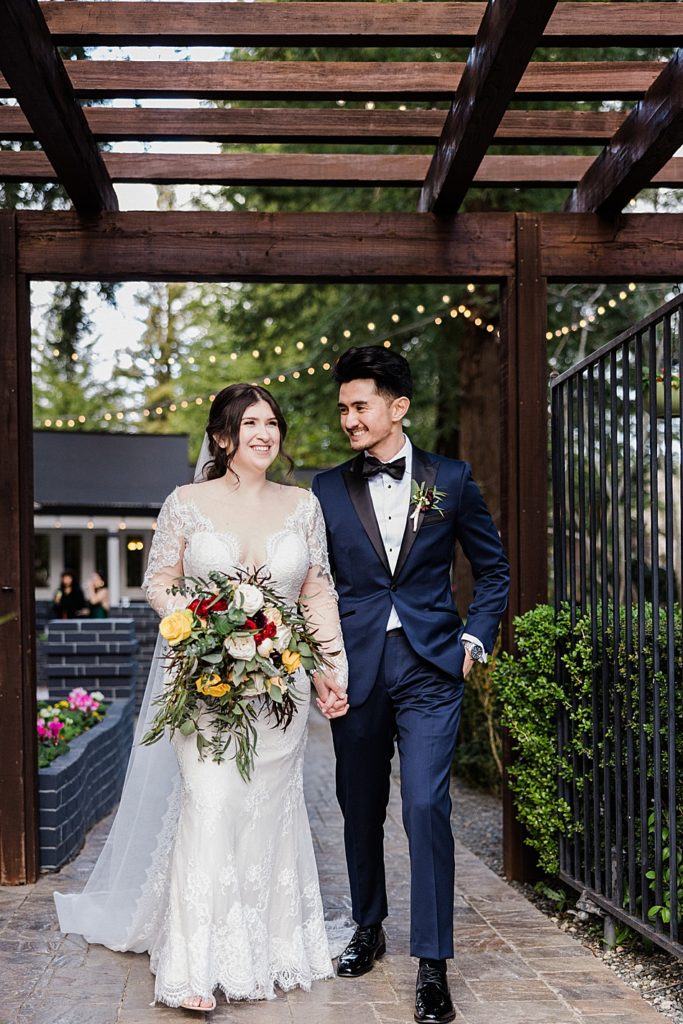
Introduction
Winter weddings have a charm of their own: soft candlelight, cozy textures, and a romantic atmosphere that is hard to match at other times of year. But the venue you pick makes or breaks the day. If you are searching for winter wedding venues, this guide answers the most common questions so you can plan with confidence.
Why Are Winter Weddings So Popular?
More couples are choosing the colder months, and the reasons are practical as well as romantic:
- Better availability: Popular venues and vendors often have more open dates outside peak season.
- Potential savings: Off-peak dates can come with more flexible pricing and packages.
- Atmosphere: Twinkling lights, fireplaces, and rich seasonal colors create a warm, intimate mood.
- Holiday timing: Guests may already have time off, making travel easier for some families.
- Stunning photos: Winter light and cozy details make for beautiful, unique wedding photography.
What Makes a Great Winter Wedding Venue?
Not every venue works well in cold weather. The best winter wedding venues share these qualities:
- A comfortable indoor space: Reliable heating and good insulation keep guests happy.
- Warm design: Fireplaces, wood details, and soft lighting add instant coziness.
- Weather-ready access: Covered entrances, cleared walkways, and easy drop-off areas matter in rain, frost, or snow.
- Enough room for everyone: Winter means coats, scarves, and extra bags, so check coat-check options and space.
- Beautiful backdrops: Look for scenic views, gardens with winter interest, or elegant interiors that photograph well.
- Full-service support: Catering, coordination, and decor help reduce stress during a busy season.
What Types of Winter Wedding Venues Are Available?
Each style offers a different feel:
- Estate and villa venues: Elegant, spacious, and ideal for a refined celebration with indoor and outdoor options.
- Barns and rustic lodges: Warm wood, fireplaces, and a relaxed country feel.
- Historic mansions: Grand staircases and classic architecture suit formal, romantic weddings.
- Ballrooms and banquet halls: Flexible layouts and dependable climate control.
- Vineyards and wineries: Cozy tasting rooms and winter landscapes make for a distinctive setting.
Choose the style that fits your personality, guest count, and the overall mood you want.
How Early Should You Book a Winter Wedding Venue?
Even though winter can be quieter, the best venues still fill up, especially for December holidays, New Year’s Eve, and Valentine’s weekend. A good rule of thumb is to book 9 to 12 months ahead. If you have flexible dates, such as a Friday or Sunday, you may find more availability and better value on shorter notice.
What Should You Ask When Touring a Winter Wedding Venue?
Come prepared with questions:
- Is the venue fully heated, and how is the temperature managed?
- What is the plan if the weather turns bad on the wedding day?
- Is there ample parking, and are walkways lit and kept safe?
- What time does sunset occur, and how does that affect the ceremony and photos?
- Is there a bridal suite or warm space for the wedding party to get ready?
- What catering, bar, and decor services are included?
- What is the guest capacity, and how many hours do you get?
- Are there any restrictions on candles, music, or decorations?
How Do You Plan a Ceremony Around Winter Daylight?
Days are shorter in winter, so timing is important. Early sunsets can be a blessing, since you can schedule a late-afternoon ceremony and enjoy golden-hour photos before evening falls. Talk to your photographer about the best times for portraits, and consider doing a “first look” earlier in the day so you capture the best natural light.
What Decor Works Best for Winter Weddings?
The season gives you a rich palette to work with:
- Colors: Deep burgundy, emerald green, navy, champagne, and classic white.
- Lighting: Candles, string lights, and lanterns for a glowing ambiance.
- Florals: Evergreen branches, pinecones, berries, amaryllis, and white roses.
- Textures: Velvet, faux fur, wool, and satin for a luxurious feel.
- Keepsakes: Cozy favors like mini candles, hot cocoa kits, or small jars of honey.
How Can You Keep Guests Comfortable?
Comfort keeps the celebration joyful. Consider offering a warm welcome drink such as hot cider or cocoa, a coat-check area, and clear signage for entrances and restrooms. Provide wraps or blankets for any outdoor moments, and share the dress code and weather expectations in your invitations so guests can plan ahead.
What Food and Drinks Suit a Winter Wedding?
Menus can lean into hearty, comforting flavors: slow-braised meats, roasted vegetables, warm soups, and seasonal desserts. A signature cocktail with warming notes, a hot chocolate bar, or a coffee and dessert station adds a memorable touch. Check with your venue about in-house catering and any dietary accommodations.
How Do You Prepare a Backup Plan?
Winter weather can be unpredictable, so flexibility is key. Confirm that your venue has a solid indoor option, share an updated timeline with vendors, and encourage out-of-town guests to arrive a day early. Wedding insurance can also provide peace of mind if travel or weather causes disruptions.
Final Thoughts
The right venue turns a winter wedding into an unforgettable, cozy, and elegant experience. Focus on warmth, comfort, accessibility, and beauty, and tour early so you can secure your preferred date. With thoughtful planning, one of the many winter wedding venues available can become the perfect backdrop for your love story.
Ready to Plan Your Winter Wedding?
Explore a beautiful setting designed for memorable celebrations and take the first step toward your dream day.
👉 Book your venue tour today: deer park villa wedding