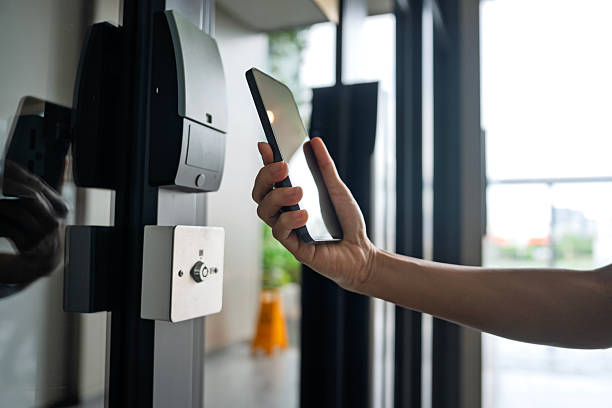
Walk into any office building and you will notice the doors before you notice anything else. They are the first thing a visitor touches. the first thing a worker pushes open on a Monday morning. and the first line of defence when something goes wrong after hours. Most offices spend serious money on alarms. cameras. and access systems. then fit a door that a determined person could get through in under a minute. That gap between the security system and the door holding it all together is where most office break-ins actually happen.
A door is not just a door when it sits at the entrance of a workplace. It carries the weight of everything behind it. employee safety. company data. expensive equipment. client records. stock. and the basic trust that staff place in their employer when they show up every day. A thin or poorly fitted door breaks that trust the moment something goes wrong. and by then the damage is already done.
Why Do Most Office Break-Ins Happen Through the Door?
Burglars do not pick locks in the movies the way they do in real life. Real break-ins are fast and loud. A weak door gets kicked once or twice and gives way. The whole thing takes less time than making a cup of tea. Offices that rely on old timber doors or hollow-core frames give criminals exactly the easy entry they look for. A high quality security door changes that calculation. It takes time to get through and time is the one thing a criminal does not want to spend. Most will move on to an easier target rather than fight a door built to hold.
What Makes a Security Door Different From a Standard Office Door?
The difference sits in the material. the frame. and the way the two connect. A standard door might look solid but the frame around it is often the weak point. Security doors use reinforced steel cores or composite materials that resist both force and leverage. The frame gets fixed into the wall structure rather than just the surrounding plasterwork. Hinges sit on the inside so they cannot be popped from the outside. Multi-point locking systems hold the door at the top. middle. and bottom rather than just at the handle. Every single one of these details matters when someone is trying to force entry at two in the morning.
Why Does the Right Door Matter for Staff Safety During Office Hours?
Security is not only a night-time concern. Offices deal with difficult situations during the day too. An angry former employee. an unstable visitor. a street dispute that follows someone through the front door. A solid security door with controlled access gives staff the ability to lock down quickly and keep a threat on the other side. That kind of response capability does not exist with a standard door and a basic lock. When people feel physically safe at work they focus better. stay calmer under pressure. and trust their employer more. The door contributes to all of that even when nobody thinks about it.
How Does Location Affect the Type of Security Door an Office Needs?
Not every office faces the same level of risk. A ground-floor unit on a quiet business park sits in a different position to a city centre office open seven days a week with foot traffic outside at all hours. Local crime patterns. building age. surrounding street activity. and the value of what sits inside all shape what kind of door makes sense. Security doors in Staffordshire cover a wide range of settings. from industrial units on the edge of town to professional offices in busy market areas. The right supplier understands how local conditions affect the right choice and does not sell the same solution to every client regardless of where they sit.
What Role Does a Security Door Play in Fire Safety and Insurance?
Fire safety and physical security sit closer together than most office managers realise. Many high-grade security doors carry fire ratings that keep flames and smoke contained for a set period. giving staff time to get out safely. This is not a bonus feature. In many commercial buildings it is a legal requirement. Insurance companies also look at door quality when setting premiums and processing claims. A break-in through a door that did not meet a reasonable standard can complicate or reduce a payout. Offices that fit proper security doors often see a direct benefit in their insurance costs over time. not just in the protection the door provides.
Why Is Professional Installation as Important as the Door Itself?
A good door fitted badly is a bad door. The gap between the frame and the wall. the depth of the lock bolt. the alignment of the hinges. all of these details shift over time if the installation was not done right from the start. A door that swings slightly off true leaves a gap that undermines the whole point of buying a security product in the first place. Professional fitters who work with security doors every day know where installations fail and build against those failure points from the start. Security doors in Staffordshire fitted by experienced local teams hold up differently to the same door put in by a general contractor who does not specialise in the product.
How Often Should Office Security Doors Be Checked and Maintained?
Doors take a beating in a working office. Staff push them hard when their hands are full. deliveries bump through them. hinges work every day across years of use. A security door that got fitted five years ago and has never been looked at since may not perform the way it did on day one. Annual checks catch frame movement. lock wear. and seal degradation before they become entry points. The cost of a yearly inspection sits nowhere near the cost of a break-in or a failed fire containment. Maintenance is not a luxury item on a security door. it is part of what makes the investment work over time.
What Should an Office Manager Look for When Choosing a Security Door Supplier?
The supplier matters as much as the product. Anyone can sell a door. Not everyone understands the full picture of what an office actually needs. A good supplier asks questions before making recommendations. They look at the building. the entry points. the existing access control setup. and the specific risks the client faces. Security doors in Staffordshire supplied by companies with genuine local experience bring knowledge of common building types in the area. planning considerations. and the kinds of threats offices in the region actually face. That local knowledge shapes a better recommendation than a generic national catalogue ever could.
Why Do Businesses That Upgrade Their Doors See Long-Term Value?
The upfront cost of a high quality security door puts some businesses off. That reaction is understandable but short-sighted. A cheap door that gets forced costs the business in stolen equipment. lost data. repair work. insurance complications. and staff confidence. A security door that holds for fifteen years without failing pays for itself many times over in avoided costs alone. Businesses that treat the door as an investment rather than an expense end up in a fundamentally stronger position. The cost sits at the front. The value keeps arriving every day the door does its job without anyone having to think about it.
Conclusion
An office door is not a background detail. It is a working part of the security. safety. and daily function of the business that sits behind it. Getting it right means choosing the right material. the right locking system. the right installation. and the right supplier for the specific setting the office sits in. Cutting corners here creates a weakness that everything else in the building depends on not having. The offices that take this seriously end up with staff who feel safer. insurers who respond better. and a building that does not become an easy target when the last person locks up and goes home.
Frequently Asked Questions
What is the average lifespan of a high quality security door in a commercial setting?
A well-made security door fitted correctly in an office environment typically lasts between fifteen and twenty five years. The lifespan depends on how much daily use it takes. how well the hinges and locks get maintained. and whether the frame stays properly anchored over time. Annual checks extend the working life considerably.
Can security doors be fitted to existing office buildings without major structural work?
In most cases yes. A professional installer assesses the existing frame and wall structure before recommending an approach. Some buildings need minor reinforcement around the frame. but full structural work is rarely necessary. The supplier will flag any complications during the initial survey so there are no surprises on the day of installation.
Do security doors affect the look of an office entrance?
Modern security doors come in a wide range of finishes. colours. and glazing options. An office entrance does not have to look like a prison gate to be properly secured. Many businesses fit doors that look clean and professional while carrying the full structural and locking benefits underneath the surface finish.
Are security doors a legal requirement for commercial offices?
Specific requirements vary depending on the building type. occupancy numbers. and local planning rules. Fire door regulations apply to most multi-occupancy commercial buildings. Physical security requirements may also apply in certain regulated industries. A good supplier will flag what applies to a specific building during the initial consultation rather than leaving the client to work it out alone.
How long does installation typically take for a commercial security door?
A single door installation in a standard office setting usually takes between half a day and a full day. depending on the complexity of the frame work and access control integration. Multi-door projects get scheduled across consecutive days. A professional team will give a clear timeline before starting so the business can plan around the work with minimal disruption.