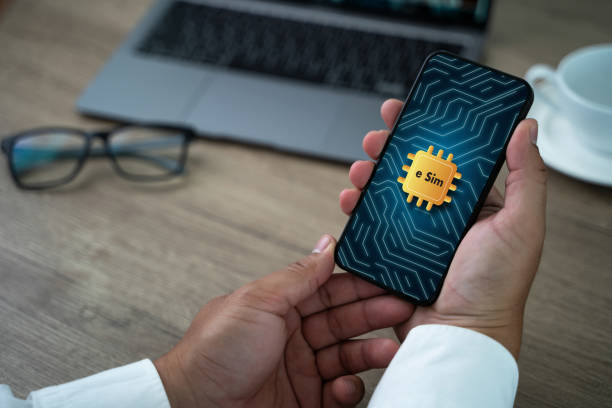
Phones have changed faster than many people expected. One small detail shows this shift clearly. The SIM card no longer needs plastic. People now prefer digital access that works at once. When you buy an esim you choose speed and ease instead of tiny trays and metal pins. This change did not happen overnight. It came from daily problems that users faced with old SIM cards.
What Problems Did Traditional SIM Cards Create for Users?
Old SIM cards feel familiar but they bring small headaches. People lose them easily. Shops charge for replacements. Travelers swap cards and misplace their main number. Network changes require waiting or visiting stores. These steps slow life down. When users buy an esim they skip all this trouble. The phone stays sealed and ready. Nothing drops on the floor. Nothing bends or breaks.
How Does eSIM Technology Fit Modern Lifestyles?
Life moves quickly. People expect instant results. Waiting feels outdated. eSIM technology matches this rhythm. Activation happens through a scan and a tap. Plans appear on the screen without delay. When people buy an esim they match their phone with their lifestyle. Remote workers travelers and students benefit from this smooth process. Connection becomes part of daily flow rather than a task.
Why Do Travelers Prefer eSIM Over Physical SIM Cards?
Travel exposes weaknesses in old systems. Airports sell SIM cards at high prices. Language barriers slow setup. Roaming bills shock people later. eSIM removes these risks. Travelers buy an esim before departure and land connected. Maps work messages send rides arrive. Journeys feel calmer when phones behave as expected. This comfort explains why travelers adopt eSIM quickly.
Is eSIM Safer Than Traditional SIM Cards?
Security matters more now than ever. Physical SIM cards can be stolen or cloned. Losing a phone creates panic. eSIM adds a digital layer of protection. Profiles lock inside the device. Providers manage access remotely. When users buy an esim they gain peace of mind. Control stays with the owner rather than a piece of plastic.
How Do Network Providers Benefit From eSIM Technology?
Providers also gain from this shift. Logistics cost money. Producing and shipping SIM cards takes time. eSIM removes those steps. Updates happen digitally. Support teams solve issues faster. When customers buy an esim providers serve them instantly. This efficiency helps networks grow without waste. It also supports greener practices.
Why Are New Devices Built Without SIM Slots?
Phone makers chase slim designs and durability. Removing the SIM tray saves space. It reduces entry points for dust and water. Devices become stronger and cleaner. eSIM makes this possible. When users buy an esim they align with future hardware trends. Phones now focus on screens batteries and cameras instead of slots.
Will eSIM Fully Replace Physical SIM Cards?
Change takes time but direction feels clear. Many devices already rely on eSIM alone. Users grow comfortable with digital setup. Support improves each year. Physical SIM cards may remain for a while but their role shrinks. When more people buy an esim the market responds. Adoption feeds innovation.
Who Should Consider Switching to eSIM Now?
Anyone who values simplicity should consider it. Frequent travelers gain the most but locals benefit too. Switching networks becomes easy. Managing multiple numbers feels simple. Families business owners and students all find value. Buying an esim removes friction from daily phone use. That ease appeals to many people.
Conclusion
Technology evolves to remove small pains that slow life. SIM cards once solved a problem. Now they create one. eSIM technology offers a cleaner faster and safer way to stay connected. When people buy an esim they choose convenience over clutter. This shift reflects how phones serve modern needs. The future of connectivity looks lighter and smarter.
FAQs
Can older phones support eSIM technology?
Some older models support it but many require newer hardware. Checking device settings helps.
Does switching to eSIM affect call quality?
Call quality depends on the network rather than the SIM type.
Can I switch back to a physical SIM later?
Yes many phones allow both options depending on the model.
Is it hard to learn how to use an eSIM?
Most users find the setup simple and intuitive after one try.