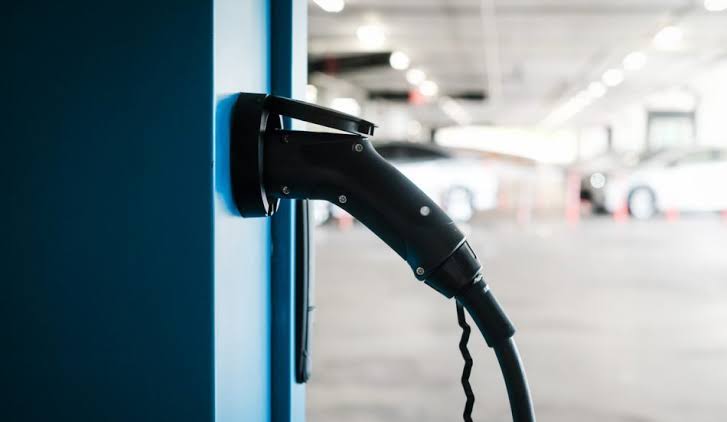
EV charger installation geelong at home makes charging your car easier, faster, and more convenient. However, before installation, you need to check your home’s electrical system, available power supply, parking space, charger type, and safety requirements. A qualified electrician can inspect your property, recommend a suitable charger, and ensure the installation meets Australian electrical safety standards. Planning these details in advance can help you avoid extra costs, charging problems, and safety risks.
Choose the Right Type of EV Charger
The first step is to decide which type of electric vehicle charger suits your daily driving needs. Most homeowners choose between a standard power outlet and a dedicated home charging unit. A standard power outlet can charge an electric vehicle, but it is usually much slower than a dedicated charger. It may work for drivers who travel short distances and have plenty of time to charge overnight. However, you should never use an ordinary outlet for regular EV charging without confirming that the circuit and outlet are suitable for the load. A dedicated home charger, often called a wall charger, provides faster charging and is designed for regular use. It can be a better option for households that depend on their electric vehicles every day. Your vehicle’s charging capacity also matters. Some cars cannot use the full output of a high-powered charger. A residential Kuna Electrics electrician can help you choose a charger that matches your vehicle, household electrical supply, and charging habits.
Check Your Home’s Electrical Capacity
Before installing an EV charger, check whether your home’s electrical system can handle the extra load. Charging an electric vehicle can use a significant amount of electricity for several hours at a time. Older homes may have electrical systems that were not designed to support modern appliances and EV chargers together. If your home already runs air conditioning, electric cooking appliances, water heaters, and other high-power equipment, adding a charger could increase the demand on your system. An electrician can inspect your switchboard, wiring, circuit capacity, and overall electrical supply. They can determine whether your existing system can safely support the charger or needs an upgrade. In some homes, a new dedicated circuit may be enough. In others, a switchboard upgrade or a review of the property’s available supply may be necessary. Getting this assessment before purchasing equipment helps you understand the total installation cost and prevents unexpected work later.
Inspect the Switchboard and Wiring
Your switchboard plays an important role in protecting your home from electrical faults. It distributes electricity to different circuits and contains protective devices that help reduce the risk of electric shock, overheating, and electrical fires. Before installation, ask the electrician to check the condition and capacity of your switchboard. Older switchboards may lack suitable protection or have limited space for the additional circuit required by an EV charger. The existing wiring should also be inspected. Damaged, outdated, or incorrectly installed wiring may not be suitable for the continuous electrical load created by vehicle charging. A dedicated circuit is generally recommended for a home EV charger. This helps ensure the charger has an appropriate supply and does not place an unnecessary load on other household circuits. A qualified residential electrician geelong can identify these issues and recommend the necessary improvements before installation begins.
Select the Best Location for Your Charger
Choosing the right installation location can make daily charging much easier. Ideally, the charger should be positioned close enough to your vehicle’s charging port without stretching the cable across walkways or creating other hazards. Start by checking where you normally park your car. A garage, carport, or suitable outdoor parking area may provide a practical location. Consider how the vehicle will be positioned and whether the charging cable can reach comfortably. You should also think about the distance between the charger and the switchboard. A longer cable route may increase installation costs because additional wiring and labour may be required. For outdoor installations, the charger must be suitable for the environment in which it will operate. Rain, dust, direct sunlight, and extreme temperatures can affect equipment if it is not designed for those conditions. The installation position should also allow easy access to the charger controls and leave enough space for safe movement around the vehicle.
Understand Your Daily Charging Requirements
Your driving habits will help determine the charging speed you actually need. Someone who drives a short distance to work each day may not need the same charging capacity as someone who regularly travels long distances. Think about how many kilometres you drive daily, how long your vehicle usually remains parked, and whether you need to charge more than one electric vehicle. For example, a car that stays parked overnight may have enough time to recharge using a lower-powered charger. However, households with multiple vehicles or frequent long journeys may benefit from a faster charging option. You should also check the maximum AC charging rate supported by your vehicle. Installing a charger with a higher output than your car can accept may not improve charging speed. A residential electrician geelong can assess your charging needs and help you avoid spending money on equipment that offers little practical benefit.
Check Electrical Safety and Protection Requirements
Electrical safety should always be a priority when installing an EV charger. The charger must have suitable circuit protection, earthing, and any required residual current protection to help reduce the risk of electric shock and other electrical faults. The exact protection requirements depend on the charger design, its built-in safety features, and the applicable Australian standards. Your electrician should confirm that the selected equipment and installation method meet the relevant requirements. Never assume that an existing power outlet is safe simply because it works with ordinary household appliances. EV charging can place a heavy and sustained load on a circuit, making a proper assessment especially important. You should also avoid using damaged charging cables, unsuitable extension leads, or improvised connections. These can create overheating and electrical hazards. A professional installation provides an opportunity to check the entire charging setup, including the supply circuit, protective devices, cable routing, and charger connections.
Consider Smart Charging Features
Modern EV chargers often include smart features that can make charging more convenient and help manage household electricity use. Some chargers allow you to schedule charging for certain hours. This may be useful if your electricity plan offers cheaper rates at specific times. You can set the charger to operate during those periods rather than charging immediately after arriving home. Other models can monitor energy consumption and provide information through a mobile app. This can help you understand how much electricity your vehicle uses and how charging affects your household energy bills. Some systems can also adjust charging power based on the home’s available electrical capacity. This feature, often called load management, can help reduce the risk of exceeding a configured supply limit when other appliances are running. If you have solar panels, you may want a charger that can use surplus solar energy when the system supports this feature. Before buying a smart charger, confirm that its features are compatible with your vehicle, home electrical system, and energy setup.
Review Installation Costs and Potential Upgrades
The price of installing a home EV charger depends on several factors. These include the charger model, the distance from the switchboard, the complexity of the cable route, and the amount of electrical work required. A straightforward installation may cost less than a project involving an older switchboard, long cable runs, difficult access, or additional protective equipment. Ask for a clear quote that explains the equipment, labour, electrical protection, testing, and any proposed upgrades. You should also ask whether repairs to existing wiring or switchboard improvements are likely to be needed. If you are comparing several quotes, make sure you compare the same type of charger and a similar scope of work. A cheaper quote may not include important safety equipment or necessary electrical upgrades. An experienced residential electrician geelong can explain which improvements are essential and which optional features may be suitable for your budget. It is also worth checking whether any current government or electricity-provider incentives apply to your property. Eligibility and availability can change, so confirm the conditions before including a rebate in your budget.
Check Permits, Standards, and Installer Qualifications
Before installation, confirm that the work will comply with the relevant Australian electrical safety requirements and local rules. The requirements may depend on the type of installation, the property, and whether the electrical supply needs to be modified. Choose a suitably licensed electrician with experience installing EV charging equipment. Ask about their previous installations, the proposed charger, and the safety checks they will complete. The electrician should also explain whether any approvals, notifications, or additional requirements apply to your project. This is especially important if you live in an apartment, townhouse, or property with shared parking. If you rent your home or live in a strata-managed property, obtain the necessary permission before arranging installation. Shared electrical infrastructure, parking arrangements, and property rules may affect what can be installed and how the charger is supplied. After the work is completed, ask for the required electrical safety documentation and any relevant warranty information. Keep these records with your vehicle and charger details for future maintenance or troubleshooting.
Plan for Future Electrical Needs
Your household’s electrical needs may change over time. You might purchase another electric vehicle, install solar panels, add a home battery, or replace gas appliances with electric alternatives. Considering these possibilities now can help you choose a charging system that is easier to expand later. For example, if you expect to charge two vehicles in the future, ask whether the electrical system could support two chargers or a load-managed charging arrangement. You may not need to install everything immediately, but planning the cable routes and available switchboard space could reduce future work. You should also consider whether your chosen charger can receive software updates and whether replacement parts or technical support are available. A residential electrician geelong can help you balance your current needs with future plans without recommending unnecessary upgrades.
Test the Charger Before Regular Use
Once installation is complete, the charger should be tested before you rely on it for everyday charging. The electrician should check the installation, protective devices, connections, and operation of the charging equipment. You should receive basic instructions on how to start and stop charging, use any scheduling features, and recognise warning lights or error messages. Read the manufacturer’s instructions and inspect the charging cable and connector regularly for visible damage. Keep the equipment clean and follow the recommended maintenance guidance. If you notice a burning smell, unusual heat, damaged wiring, repeated charging faults, or other signs of an electrical problem, stop using the charger if it is safe to do so and arrange a professional inspection. Do not attempt to repair the charger or its electrical connections yourself.
Conclusion Installing an electric vehicle charger at home requires more than choosing a charging unit. You need to assess your electrical capacity, inspect the switchboard and wiring, select a suitable location, understand your charging needs, and confirm the necessary safety protections. You should also review installation costs, installer qualifications, and any property permissions before starting the work. Working with a qualified residential electrician geelong helps ensure your charger is suitable for your home and vehicle. By checking these important details in advance, you can enjoy safer, more convenient charging and reduce the risk of unexpected installation expenses.