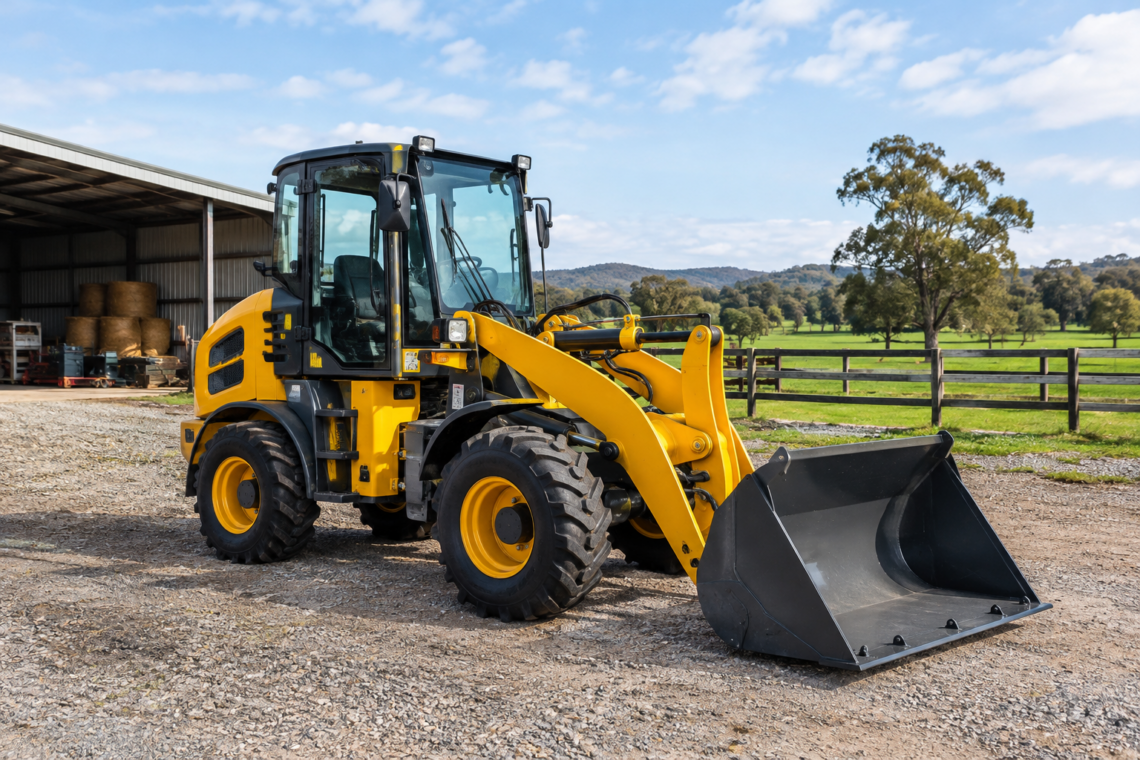
Buying used earthmoving equipment can help contractors and businesses manage their machinery budgets, but it is important to look beyond the advertised price. The condition of the machine, its service history, suitability for the intended work and future maintenance requirements all influence whether a purchase represents good value.
If you are considering a used excavator, skid steer loader, wheel loader or another type of heavy machine, the following checklist can help you make a more informed decision.
Identify the Right Machine for the Job
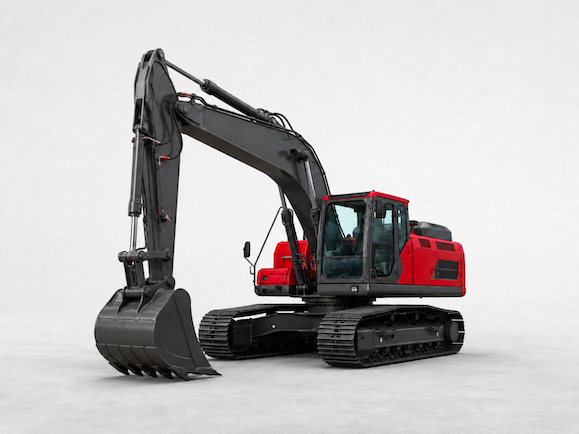
The first step is understanding what you need the equipment to accomplish. A compact excavator may suit landscaping and restricted-access work, while a larger machine may be more appropriate for projects requiring greater digging capacity or reach.
Consider the ground conditions, working space, load requirements, transport arrangements and frequency of use. You should also determine whether the machine needs attachments for specialised tasks.
Browsing the available used machinery listings is a useful way to compare equipment categories and identify machines that may suit your requirements.
Remember that specifications vary between manufacturers and models. Check the manufacturer’s documentation rather than relying on general assumptions about a particular machine type.
Inspect the Machine Carefully
A physical inspection is one of the most important stages of buying used equipment. Photographs can help you shortlist machines, but they cannot reliably reveal every mechanical or structural problem.
Start by checking the overall condition. Look for damaged panels, visible leaks, unusual wear, corrosion and signs of previous repairs.
The engine should be examined for obvious leaks, abnormal noises and starting problems. Hydraulic cylinders, hoses and connections should be checked for damage or fluid loss. On tracked equipment, inspect the undercarriage components for excessive wear. On wheeled machines, examine the tyres and look for uneven wear or damage.
Test the controls and functions where it is safe and practical to do so. If you are not experienced in assessing heavy machinery, arrange an inspection by a qualified mechanic or independent machinery inspector.
A professional assessment may reveal issues that are difficult to identify during a quick viewing.
Ask About Service History
Service records provide useful information about how the machine has been maintained. Ask the seller for available maintenance logs, repair invoices and details of major component replacements.
Operating hours should also be considered, but they are not a complete measure of condition. A machine that has worked in demanding environments may experience different wear from equipment used for lighter tasks, even when both display similar hours.
Ask direct questions about known faults, previous repairs and the circumstances under which the machine was used. Where possible, verify the information against available records.
If important documentation is missing, factor that uncertainty into your assessment rather than assuming the machine has been properly maintained.
Calculate the Real Cost
The purchase price is only one component of the total cost. You may also need to budget for transport, inspections, servicing, repairs, attachments, insurance and ongoing operating expenses.
For example, a lower-priced machine that needs immediate hydraulic repairs may cost more overall than a higher-priced alternative in better verified condition.
Create a simple comparison sheet for each machine you are considering. Include the purchase price, estimated immediate work, transport, maintenance needs and any financing costs.
This approach helps you compare alternatives on a more consistent basis and avoid focusing exclusively on the advertised price.
Understand Trade-In Arrangements
If you already own machinery, trading it in may simplify the process of upgrading your equipment. However, it is important to understand the value being offered for your existing machine.
Obtain a realistic estimate of its market value and compare the trade-in allowance with the complete purchase deal. Consider the convenience of completing both transactions together, but do not assume that convenience automatically makes the offer financially superior.
You can review trade-in information from Used Earthmoving as part of your research and ask the seller to explain the conditions of any proposed arrangement.
When selling privately instead, remember to consider the time required to respond to enquiries, arrange inspections, negotiate and organise settlement.
Evaluate Finance Carefully
Finance can help businesses spread the cost of machinery, but repayments must fit the business’s cash flow.
Before agreeing to a finance arrangement, compare the interest rate, fees, deposit, repayment frequency, term and total amount payable. Ask whether there are additional charges or conditions for early repayment.
If you are self-employed or operate a small business, consider how seasonal demand, unexpected repairs and delayed customer payments could affect your ability to meet repayments.
You can investigate earthmoving equipment finance information as part of your research, then confirm the available products, eligibility requirements and terms directly with the relevant finance provider.
Finance approval and terms depend on the provider’s assessment and individual circumstances.
Check Attachments and Compatibility
Attachments can improve a machine’s versatility, but compatibility is essential. Confirm the mounting arrangement, hydraulic connections, rated capacity and any manufacturer restrictions.
Check whether the quoted price includes the required attachments. If additional equipment must be purchased, include that cost in your budget.
Never assume that an attachment is suitable simply because it physically connects to the machine. Follow the manufacturer’s guidance and use equipment within its approved limits.
Verify Documentation and Transaction Details
Before paying, verify the seller’s identity, ownership documentation and any relevant financial interests registered against the machine. In Australia, the Personal Property Securities Register may be relevant when checking whether personal property is subject to a registered security interest.
Confirm the agreed price, included attachments, payment arrangements, collection or delivery details and any written warranty terms. If the seller makes important promises about the machine’s condition, ask for them to be documented.
For a significant purchase, professional legal or financial advice may be appropriate.
Conclusion
The right used earthmoving machine is one that suits your work, fits your budget and has been assessed carefully. Comparing specifications, inspecting mechanical components, reviewing service records and calculating total ownership costs can help reduce avoidable surprises.
Take your time, ask detailed questions and seek qualified advice where necessary. A disciplined buying process is more useful than choosing equipment based on price or appearance alone.