Choosing the right framing material is essential to ensure the reliability and sustainability of any structure. It is critical to pay attention to several factors, such as the loads that the material should support, its usability, and its applicability for specific projects. One of the best materials for framing is aluminum, which is an excellent choice for those who want to achieve precision, architectural frame flexibility, and long-term sustainable building solutions. It is particularly valuable in the field of industrial facilities, commercial building construction, and equipment enclosures, and many more. Thus, aluminum framing material are worth considering as a reliable and high-yield solution for a wide range of applications.
1. Strong and Durable Construction
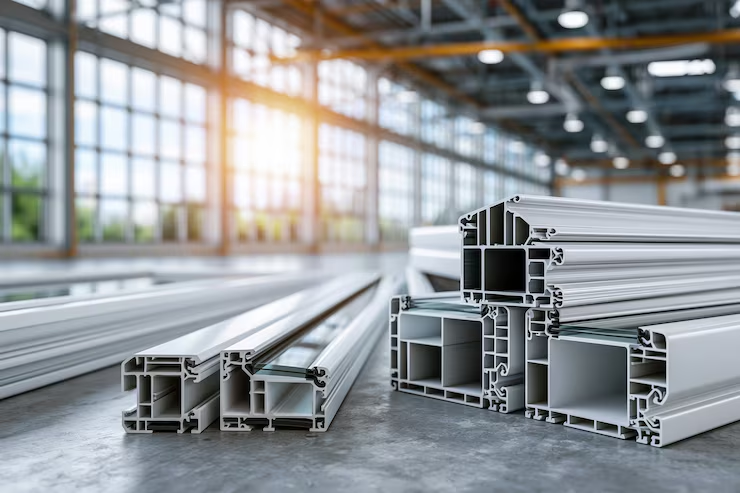
Aluminum also offers industry-leading durability. Despite its lightweight nature, aluminum offers all the durability that you need to make equipment frames, workstations, guards, and structural supports-and this is the case when it is properly engineered. If you’re constructing machine frames, workstations, guards, or structural supports, aluminum framing systems have been made to deliver consistent performance and support a wide array of components and hardware under everyday conditions.
Your framing system’s capacity depends on a number of variables: aluminum alloy, profile shape, wall thickness, connections, and anticipated load. Selecting the right components will be key to building a product that performs the way you want it to.
2. Lightweight Construction for Easier Handling
Compared to steel, aluminum is a lightweight choice that’s easy to move, carry, and assemble. Are your structures large-frame, or do they have many parts? You’ll love aluminum here. The lightness of aluminum profiles allows builders and contractors to install and modify them quickly and easily, and in some instances, a lighter frame will reduce the overall weight of supporting structures.
For you as the manufacturer, this means that the equipment assembly is simplified and future conversions are easier. In other words: a lightweight construction is an important advantage, in particular when designing modular workstations, machine frames, or industrial support systems.
3. Excellent Corrosion Resistance
The natural ability of aluminum to resist corrosion: Aluminum forms a very light coating of oxide very quickly when it is exposed to the environment, to preserve itself. Aluminum’s resistance to corrosion makes it suitable for outdoor applications and indoor applications that require some moisture, such as humid environments and areas where water might be present.
Hold on, there’s more! Anodizing and other post-production surface treatments can provide further protection and sometimes improve the finish. Remember that aluminum does not make for an entirely corrosion-resistant product. It does react to certain chemicals and tough environments, as well as to contact with different types of metals, but selecting the best alloy and finish can help improve service life in harsh conditions.
4. Flexible Design Options
Every project has its own requirements. Others need nothing more than simple support frames, while still others call for a complex supporting structure with mounting points, adjustment sections, and built-in accessories. No matter what you need, the design flexibility of aluminum framing systems can help. Most systems use common profiles with grooves for brackets, fasteners, panels, and many other elements.
So, where can you use aluminum profiles? They’re perfect for:
- Industrial machine frames and equipment enclosures
- Assembly stations and production workstations
- Storage racks and material-handling structures
- Display frames and commercial fixtures
- Protective guards and modular partitions
This means you can choose a framing solution that matches your workspace, machinery, and working conditions.
5. Faster and Easier Installation
Here’s the thing: the time it takes to install something is an important factor in what the final project will cost. A lot of the aluminum framing solutions that are out there rely on mechanical connectors, brackets, and other standardized fasteners for the assembly. Because of this, not as much welding or major machining is necessary during the assembly process.
This is a big advantage for companies that change production lines on a regular basis, reposition equipment, or increase the size of their facility. An aluminum frame can be easily built and left open for future modifications.
6. Low Maintenance Requirements
Framing made from aluminum often requires minimal maintenance in the proper environment. One reason for this is the oxide layer on the surface that protects it, and further layers of finish provide an additional degree of protection. Typical maintenance is checking fasteners, checking connections and fittings, looking for damage of any kind, and cleaning. Those parts of the frame that are subject to regular vibrations and motion or very hot environments may need closer inspection.
Maintenance costs are also a consideration. For instance, some materials may require regular repainting or application of a corrosion protection layer. The savings on maintaining the frame itself could be considerable using aluminum as compared to other materials.
7. A More Sustainable Material Choice
Aluminum can be recycled without wasting a significant amount of its properties. Recycling aluminum consumes significantly less energy than manufacturing primary aluminum from other raw materials. As a result, the use of recycled aluminum in frames and other objects makes it an increasingly attractive option for a company seeking to lessen the environmental footprint of its projects. Reusable framing parts also allow for a reduction of waste when you need to shift your machinery or workspace.
The net environmental benefit depends on the initial aluminum source, manufacture, transportation, and the duration that the framing system remains in use.
8. Cost-Effectiveness Over Time
The first cost of a framing system isn’t everything. Make sure to think about installation labor, transportation, upkeep, replacement components, and future change orders. Aluminum framing may reduce some of those expenses because it’s easy to put together and flexible-and because it’s lightweight, modular, and designed to work with flexible components. This not only makes framing easy to update, but also easy to repair.
However, there’s a catch: Aluminum isn’t always the cheapest component to use on the front end. For some heavy-loading applications, depending on the design, you could get away with utilizing steel. Look at the entire project specs to see what makes sense.
Discover the Best Aluminum Framing for Your Application
Choose the best framing system to maintain a good inventory, help with installation, and future-proof growth. A system made from aluminum framing will be durable, lightweight, flexible in design, and easy to maintain for most industrial and commercial applications.
If you require a machine frame, design a custom workstation, enclosure for equipment, or modular support structure, choosing the appropriate profiles and connectors is critical. Factors such as load requirements, the application’s working environment, and space considerations should influence your choice.
Conclusion
Thinking why aluminum is an all-time favorite for framing? It’s a combination of strength and weight; aluminium is resistant to corrosion. It is highly customizable, flexible in design, and increases the ease of installation and reduces maintenance.
Industrial workstations, machine framing, and commercial buildings are just some examples of when aluminum framing systems are useful when customized to meet demands. MiniTec Solutions offers aluminum framing solutions for various industrial applications. After all, when considering material prices, installation headaches, and the building’s longevity, wouldn’t you prefer a framing system you can rely on? The good news: aluminum just might be the best choice!
FAQ’s
1. What are aluminum framing systems used for?
Aluminum framing systems are utilized for machine frames, industrial workstations, enclosures for equipment, storage racks, safety guards, retail displays, and modular structures. These framing systems are versatile and flexible and appropriate for various applications.
2. Can you use aluminum framing systems in commercial buildings?
Yes. When engineered with the right combination of alloy, profile, connectors, and forces, aluminum structures can handle a great deal of load and serve most industrial purposes.
3. Is there maintenance needed for aluminum framing systems?
Most systems require minimal maintenance; regular inspection, cleaning, and tightening of fasteners and connections is essential to keep the system in optimum condition. More requirements may be imposed if the system is used in extreme conditions.