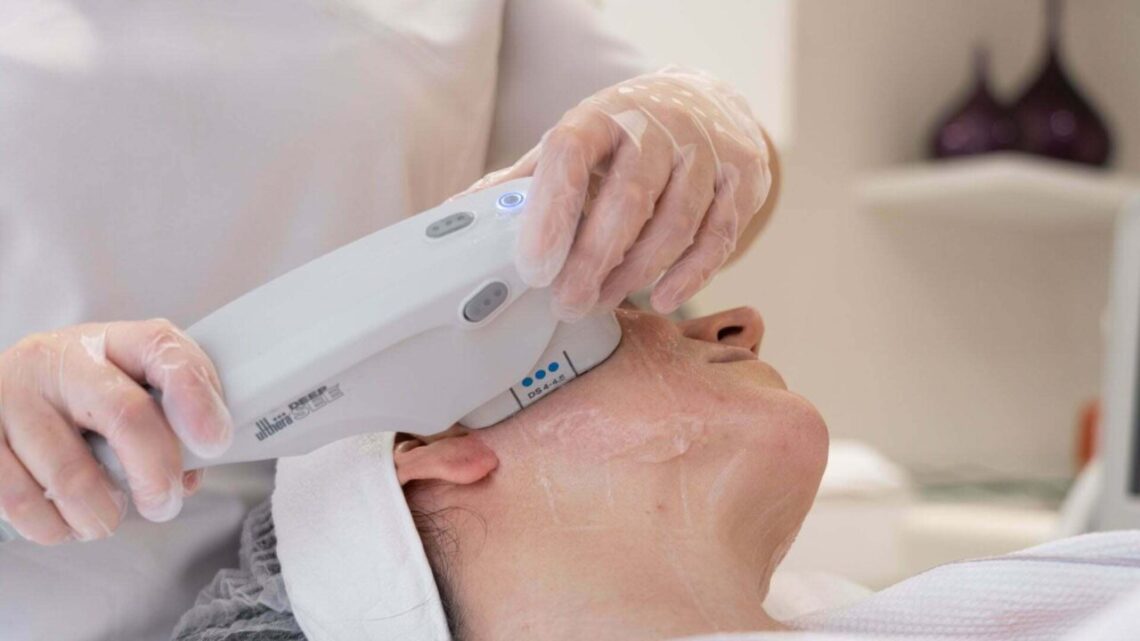
As skin gradually loses firmness with age, changes around the cheeks, jawline, neck, and eyebrows can become more noticeable. For people who want to address these concerns without undergoing surgery, non-invasive facial rejuvenation treatments offer an alternative worth exploring. One option is Ultherapy, a treatment that uses focused ultrasound energy to support the skin’s natural collagen production.
Interest in Ultherapy Dubai has grown among people looking for ways to improve the appearance of mild to moderate skin laxity while maintaining their natural facial features. Unlike surgical lifting procedures, Ultherapy does not involve incisions or the removal of skin. Instead, it targets specific tissue depths beneath the skin to encourage a gradual tightening effect.
However, understanding how the treatment works, who may benefit from it, and what results to expect is important before making a decision. A personalised consultation with a qualified medical professional can help determine whether ultrasound-based skin tightening is appropriate for an individual’s concerns and expectations.
What Is Ultherapy and How Does It Work?
Ultherapy is a non-surgical cosmetic treatment that uses microfocused ultrasound energy to stimulate collagen production in targeted layers of tissue. Collagen is a structural protein that helps maintain the skin’s firmness, elasticity, and support. Its production naturally declines with age, contributing to visible changes in skin texture and facial definition.
During treatment, ultrasound energy is delivered beneath the skin without intentionally disrupting its surface. The controlled thermal effect stimulates the body’s natural repair response, encouraging new collagen formation over time.
How Ultrasound Energy Supports Skin Tightening
The treatment works by delivering focused energy to selected tissue depths. Depending on the treatment area and the individual’s anatomy, the practitioner can target deeper supporting tissues as well as layers within the skin.
This process may help improve the appearance of:
- Mild to moderate laxity around the jawline.
- Loose skin beneath the chin.
- Early changes in neck firmness.
- Mild sagging around the eyebrows.
- Fine lines and reduced firmness in selected areas.
Results develop gradually because collagen remodelling takes time. Ultherapy is not designed to produce the immediate lifting effect associated with surgery, and the degree of improvement varies between individuals.
Why Consider Ultherapy in Dubai?
Dubai offers a wide range of aesthetic treatments for people seeking to maintain a refreshed appearance without extensive downtime. Ultherapy may appeal to individuals who prefer a non-surgical approach and want to address early signs of ageing while preserving their natural facial expressions.
One potential advantage is that the treatment does not require surgical incisions. Many people can return to their usual activities shortly afterwards, although temporary redness, tenderness, swelling, or other local reactions may occur.
Other reasons people consider this treatment include:
- Non-invasive approach: The procedure does not require surgical cuts or stitches.
- Gradual improvement: Changes develop over several weeks and months rather than appearing as a sudden transformation.
- Targeted treatment: Ultrasound imaging helps the practitioner visualise tissue layers and guide energy delivery.
- Limited recovery time: Most patients do not need an extended recovery period, although individual reactions differ.
- Natural-looking goals: The aim is to improve skin firmness rather than fundamentally change facial features.
These benefits should be considered alongside realistic expectations. Non-invasive does not mean risk-free, and treatment suitability depends on skin laxity, anatomy, medical history, and personal goals.
Which Areas Can Ultherapy Treat?
Ultherapy is commonly used for selected areas of the face and neck where skin laxity is a concern. The appropriate treatment areas depend on the device’s approved indications, the practitioner’s assessment, and the individual’s needs.
Face and Jawline
Changes in collagen and supporting tissue can gradually affect jawline definition. In suitable candidates, treatment may help improve the appearance of mild sagging along the lower face and create a more defined-looking contour.
However, it cannot remove significant excess skin or reliably reproduce the results of a surgical facelift.
Neck and Under-Chin Area
Loose skin around the neck and beneath the chin can become more noticeable with age. Ultherapy may help improve mild skin laxity in these areas, although the outcome depends on whether the concern is primarily loose skin, excess fat, or another anatomical factor.
A consultation is particularly useful when the cause of a less defined chin or jawline is unclear.
Brow Area
For selected patients, ultrasound-based treatment may produce a modest lifting effect around the brow. The extent of improvement varies, and it should not be expected to correct significant eyelid drooping or replace procedures intended for more advanced concerns.
Who Is a Suitable Candidate for Ultherapy?
Ultherapy may be appropriate for adults with mild to moderate skin laxity who want gradual improvement without surgery. It is generally more suitable for people whose main concern is reduced firmness rather than substantial excess skin.
A medical assessment should consider:
- The degree and location of skin laxity.
- Skin quality and underlying facial anatomy.
- Previous cosmetic procedures or treatments.
- Relevant medical conditions and medications.
- Expectations regarding the amount and duration of improvement.
People with significant skin sagging may achieve more noticeable results from surgical options. Others may benefit from a different non-surgical treatment, depending on whether their primary concern involves skin laxity, volume loss, pigmentation, or wrinkles caused by facial movement.
Pregnancy, active skin infections in the treatment area, certain implanted devices, and other medical circumstances may affect suitability. Patients should disclose their medical history and ask their practitioner about device-specific contraindications and precautions.
What Happens During an Ultherapy Appointment?
Understanding the treatment process can help patients feel more prepared and make informed decisions.
1. Initial Consultation
The practitioner discusses the patient’s concerns, examines the relevant areas, and evaluates whether Ultherapy is likely to provide a meaningful benefit. This is also the time to review medical history, previous procedures, possible risks, and alternative treatments.
2. Preparing the Skin
The treatment area is cleansed, and the practitioner may use a treatment plan based on the patient’s anatomy and goals. The skin is prepared according to the device’s instructions.
3. Delivering Ultrasound Energy
A handheld device is moved across the selected treatment areas to deliver focused ultrasound energy at planned depths. Patients may experience warmth, tingling, pressure, or brief discomfort during energy delivery.
The level of discomfort varies, and pain-management options should be discussed with the treating professional rather than assumed to be necessary or suitable for everyone.
4. Aftercare and Recovery
Most patients can resume normal daily activities relatively quickly. Temporary redness, swelling, tenderness, or bruising may occur. Some people also experience temporary altered sensation, and less common but more significant complications are possible.
Following the practitioner’s aftercare instructions and reporting persistent or unusual symptoms is important.
When Will You See Results, and How Long Do They Last?
Ultherapy results develop gradually as the body produces and remodels collagen. Some people notice early changes, but improvement typically becomes more apparent over approximately two to three months, with continued changes possible for longer.
The outcome and its duration depend on several factors, including age, baseline skin laxity, individual collagen response, lifestyle, and the treatment plan. Benefits may last a year or longer in some individuals, but this is not guaranteed.
It is important to distinguish between a gradual improvement in skin firmness and the more substantial repositioning of tissue that surgery can achieve. Ultherapy does not stop the ageing process, and maintenance treatments should only be considered after an individual assessment.
Understanding the Risks and Limitations
Although Ultherapy is non-surgical, it is still a medical aesthetic procedure. Choosing an appropriately trained practitioner and a suitable treatment setting is essential.
Potential side effects include temporary redness, swelling, tenderness, bruising, and tingling. Some patients may experience longer-lasting nerve-related symptoms or unwanted changes in the treated area. Burns and other complications are possible, particularly if treatment is performed incorrectly.
Before proceeding, patients should ask whether the device is genuine, whether the practitioner has appropriate training, which areas will be treated, and what steps are taken to reduce complications.
It is also sensible to discuss the likelihood of achieving the desired result rather than relying on photographs or promises of dramatic lifting. A responsible treatment plan should explain both the potential benefits and the limitations.
Ultherapy Compared With Other Facial Rejuvenation Treatments
Different treatments address different causes of visible ageing. Choosing the right option begins with identifying the primary concern.
- Ultherapy: Uses focused ultrasound energy to stimulate collagen and may improve mild to moderate skin laxity.
- Radiofrequency skin tightening: Uses radiofrequency energy to heat tissue and encourage collagen remodelling, with outcomes depending on the device and protocol.
- Dermal fillers: Restore or enhance selected areas of facial volume; they do not work in the same way as ultrasound-based skin tightening.
- Botulinum toxin injections: Reduce the appearance of certain expression lines by temporarily relaxing targeted muscles.
- Surgical facelift: Repositions underlying tissues and removes excess skin, making it more suitable for some people with advanced facial sagging.
These treatments are not interchangeable. Some may be combined in a carefully planned approach, but timing, safety, and suitability should be assessed by a qualified professional.
Choosing a Provider for Ultherapy in Dubai
Selecting a provider should involve more than comparing prices or looking at before-and-after photographs. The practitioner’s experience, clinical assessment, and willingness to discuss limitations are important parts of safe aesthetic care.
Before booking, consider asking:
- Is the practitioner appropriately licensed and trained to perform the procedure?
- Will the treatment be tailored to my facial anatomy and concerns?
- What improvement is realistic in my case?
- What are the possible side effects and alternatives?
- What follow-up support is available if I experience a complication?
Dr. Mayur Bhobe can be a point of contact for discussing facial rejuvenation goals and understanding which options may be appropriate. As with any aesthetic procedure, the decision should follow an individual medical assessment rather than a general recommendation based solely on age or appearance.
Frequently Asked Questions
1. Is Ultherapy painful?
Discomfort varies between patients. Some experience warmth, tingling, pressure, or brief sensations during ultrasound energy delivery. The treating practitioner can explain appropriate comfort measures based on the treatment plan.
2. How many Ultherapy sessions are needed?
Many patients undergo a single treatment session for a planned area, but this is not appropriate for everyone. The recommended approach depends on skin laxity, the treatment goals, and the practitioner’s assessment. Additional sessions should not be assumed to produce better results.
3. Is there any downtime after Ultherapy?
Most patients can return to normal activities shortly after treatment. Temporary redness, swelling, tenderness, bruising, or altered sensation may occur, and recovery varies from person to person.
4. Can Ultherapy replace a facelift?
No. Ultherapy may improve mild to moderate skin laxity, but it cannot reproduce the degree of tissue repositioning or excess-skin removal achieved through surgery. People with significant sagging may need to consider other options.
5. How soon can I see results from Ultherapy in Dubai?
Improvements generally develop over two to three months as collagen remodelling progresses. Individual results vary, and the final outcome depends on skin condition, anatomy, and the treatment performed.
Conclusion
Ultherapy offers a non-surgical option for people who want to address selected signs of facial and neck laxity without undergoing a facelift. Its gradual collagen-stimulating effect may improve skin firmness in suitable candidates, but results are individual and should be approached with realistic expectations.
The most important step is to understand your concerns, compare appropriate treatment options, and seek advice from a qualified medical professional. Consulting Dr. Mayur Bhobe can help you explore facial rejuvenation options and determine whether Ultherapy aligns with your needs, anatomy, and aesthetic goals.