Tiny Houses Australia: A Complete Guide to A Sustainable Lifestyle & Down Sizing Model
This yearning for a simpler, more sustainable lifestyle is changing our attitudes to home ownership Australia. From coast to coast, people are bypassing large homes, and even larger mortgages, in favor of strategically scaled-down, eco-friendly tiny homes. But what’s driving this increased popularity and is it the right path for you?
This guide delves into all you need to know about tiny homes in Australia – what they are, their perks, how much they cost, legal implications and the ins and outs of either building or buying your own petit retreat. Whether you are an aspiring minimalist or committed to sustainable living, this downsizing guide is the ideal place to begin.
What Are Tiny Homes?
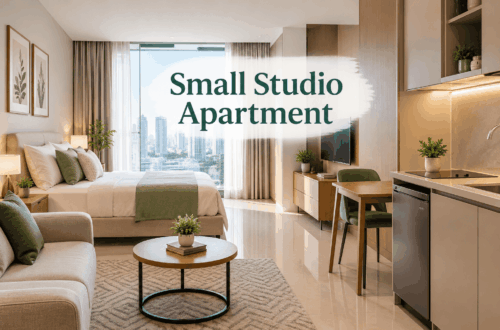
Tiny homes are usually small, well-functioning homes with 15-50sqm floor area. Small by design and intent, these homes prioritize creative design ideas over spatial excess. They can come on wheels for mobility, or be placed on a permanent foundation.
Though the idea of homes on the smaller side took flight in the U.S., the tiny-home trend has exploded in Australia in recent years. From coastal enclaves to bushland havens, downsizing devotees are rethinking how they use space, save money and minimize their environmental footprint.
Why Is There Such an Interest in Tiny Homes in Australia?
A number of factors have contributed to the growth of tiny homes in Australia:
Housing Affordability: Home prices in Australia have surged into a bubble, moving the dream of traditional homeownership further out of reach for many. They provide an affordable solution without compromising comfort – or quality.
Sustainable Living: As awareness of climate change continues to grow, Aussies are ditching traditional homes in favour of tiny ones, which come equipped with environmentally-friendly perks like renewable energy sources and resource efficient design.
Way of Life: Tiny houses are a whole new way of living in the world, a shift towards simplicity where less is really more. They preach the value of decluttering, concentrating on what’s important and leading an intentional life.
Pros of Living in a Small House
There are a number of benefits of tiny houses that cater to financial, life style and environmentally concerns.
Financial Freedom
Perhaps the best thing about tiny homes is how they are cheaper than most. The “average” Australian home is in excess of $700,000, where as a small tiny home runs anywhere from $50,000 to $150,000. This adds up to lower building costs, smaller utility bills and reduced maintenance expenses so you can save more and worry less.
Minimalism and Decluttering
Living in a tiny home can make you want to minimize your material possessions and concentrate on life’s essentials. Lots of owners describe the experience as liberating, freeing them up to spend more time and energy on passions and relationships.
Lower Carbon Footprint
Tiny homes are simply more sustainable than standard homes. Because they are compact, they require less material to construct and less energy for heating and cooling. Add solar panels, rainwater harvesting capabilities and composting toilets and you’ve got yourself an eco wonderland.
Favourite Australian Tiny Home models There aload of Australia models – For you to check out at least 15 of Australia tiny house designs for inspiration.
Australians aren’t afraid to think outside the box when it comes to tiny home designs. Here are some popular styles:
On-Wheels Homes
Constructed on trailers, this type of mobile home is easily relocated. They’re perfect for those looking to incorporate more adventure into their lives, or anyone who desires flexibility in where they live.
Off-Grid Eco Homes
Complete with solar power, rainwater tanks and a compost system, off-grid homes are environmentally sustainable and do not depend on external utilities.
Container Homes
Reused shipping containers are a great option due to their sturdiness, cost effectiveness and industrial cool look. They’re also very customizable to accommodate individual needs.
Tiny house cost vs conventional homes in a cost comparisonGetProcAddress(\’Tiny\’);Tiny House vs. Regular HouseFacebookTiny homes are all the rage these days.
Interested in transitioning to a tiny home? Here’s how they stack up against traditional homes:
Building Costs
A tiny home costs in the range of $50,000 – $150,000 to build versus a traditional home, which can easily surpass $700,000.
Maintenance and Utilities
Electricity, water, and maintenance costs are much lower for tiny houses because of their diminutive size and ecological benefits.
Return on Investment
Though resale value is higher for a traditional home, the long term sustainability and reduced cost of total living combined with the benefit to the environment make tiny homes more valuable in the long run.
- So Can You Legally Live in a Tiny House in Australia?
- Here’s what you need to know before living in a tiny, off-the-grid house.
Local Council Regulations
Not all councils are as friendly to tiny homes as others. Regulations differ widely, so ask your local council before you buy one or construct one.
Zoning Laws
Tiny homes have to be in certain areas under zoning. NSW, for example, allows tiny homes as a secondary dwelling, but other states have more stringent restrictions.
Registration and Construction Codes
If your small house is on wheels, it must satisfy the state’s requirements for registration and road safety. Fixed dwellings, however, must meet building codes and regulations.
- Tiny House Friendly Cities in Australia
- Here are some of the best places to visit tiny homes:
Coastal Regions
Take in the breathtaking ocean views and the cool breezes at destinations such as Byron Bay or the Great Ocean Road.
Off-Grid Bushlands
Get away to the peace, quiet and native wildlife that is the Australian bush.
Tiny Home Communities
Green villages are national cropping up as an opportunity for like-minded people to share resources and support one another in community living.
- How To: Build or Buy a Tiny House in Australia
Trusted Builders
Consider established builders such as Aussie Tiny Houses, Designer Eco Tiny Homes or Hauslein. They focus on building high quality tiny homes to your specifications.
DIY vs Professional Building
DIY is cost-effective, but also time-consuming and labor-intensive. Establishing an expert on your behalf can help to ensure regulatory alignment and minimize potential costly errors.
Permits and Insurance
For peace of mind, make sure your tiny home is covered by all of the right permits and insurance policies.
Living the Sustainable Way with a Tiny Home
Tiny homes are synonymous with sustainability. To keep your home as green as possible, take advantage of these features:
Solar Panels & Collecting Water
Power your home with both renewable energy and harvested rain.
Compost Toilets
These will save water and be a straightforward, eco-friendly means of waste disposal.
Eco-Friendly Materials
o Opt to use renewable and recycled materials to further reduce your potential environmental impact.
Disadvantages of Living in a Tiny Home
Though rewarding, tiny-home living comes with its challenges:
Limited Space & Storage
It may take a while to adjust to minimalism, even if you have a lot of things.
Utility Connections
Hooking up utilities, such as electricity and water, can be complicated, especially for off-grid homes.
Weather & Insulation
Good insulation is key to staying comfortable in Australia’s changeable seasons.
Tiny Homes Australia: Trends and Innovations to Look for in the Future
The trend of living small is here to stay. Here’s what to look forward to in the coming years:
Smart Technology Integration
Clever electronics and automation systems in smart tiny homes are becoming one of the key things here.
Post-COVID Shifts
The pandemic has prompted a great many to dream of living cheap, self-sufficient lives.
Government Support
Tiny house living could soon be a reality for residents in housing-crunch states across the nation, thanks to a game-changing plan.
Begin the Downsizing Journey Now
Tiny houses provide a contemporary answer to many of the problems faced by Australian home owners in the current climate. Affordable, environmentally friendly, and resonant spaces to live intentionally in.
If you know its time to do a downsize, then get in on this amazing world of tiny houses in Australia! And it might just be the lifestyle change you’ve been waiting for.