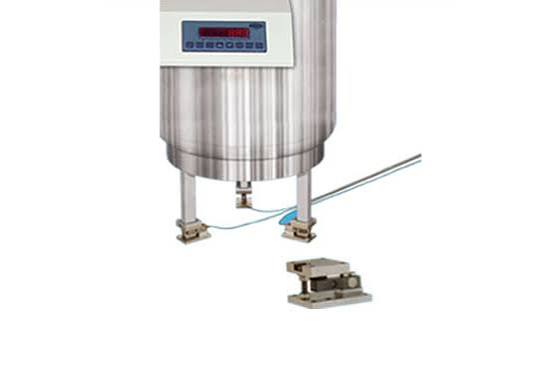
Managing materials stored in industrial tanks requires accurate information about the quantity available at every stage of production. Whether a facility handles liquid ingredients, chemicals, oils, or bulk materials, knowing the actual weight inside storage vessels helps employees plan operations and control material consumption. A Tank Weighing System in UAE offers businesses a practical way to monitor tank contents through weight-based measurement rather than depending entirely on estimated volume readings.
As industrial operations become more organized and technology-driven, businesses need weighing solutions that can support their production requirements. A properly designed tank weighing arrangement can provide useful information for stock monitoring, material transfer, batching, and process management.
Why Industrial Facilities Need Tank Weight Monitoring
Storage tanks are an important part of many industrial processes. They hold raw materials before production, intermediate products during processing, and finished materials before distribution. Without dependable measurement, businesses may struggle to determine how much material remains available.
Traditional monitoring methods often estimate quantities by measuring liquid levels or using other indicators. However, the relationship between liquid height and actual quantity can be affected by tank geometry and material characteristics. Weight-based monitoring provides another approach by measuring the load supported by the tank structure.
This information can help operators:
- Monitor the quantity of stored materials during daily operations.
- Identify changes in tank contents during filling and unloading.
- Maintain more organized inventory records.
- Support accurate material preparation for production batches.
- Reduce uncertainty when planning material purchases and transfers.
How Weight-Based Tank Monitoring Works
A tank weighing system measures the combined weight of the tank and its contents. The empty tank weight is known as the tare weight. By subtracting this value from the total measured weight, operators can determine the approximate net weight of the stored material.
The system generally uses load cells installed at suitable support points beneath the tank. When material enters or leaves the vessel, the load changes. The sensors detect these changes and convert them into electrical signals.
A weighing indicator processes the signals and displays the calculated weight. Depending on the installation, the readings can also be transferred to compatible computers or industrial control equipment.
One important advantage of this method is that it measures weight directly. It can therefore be useful when material density changes make volume-based estimates less dependable.
Different Tank Installations and Their Requirements
Not all storage vessels have the same design. The weighing arrangement must be planned according to the tank’s shape, support structure, operating conditions, and maximum load.
Vertical Storage Tanks
Vertical tanks are commonly found in manufacturing and storage facilities. Their weighing arrangements generally use load cells positioned at suitable support points around the base. The number and capacity of sensors depend on the vessel structure and the total expected load.
Horizontal Tanks
Horizontal vessels may require a different mounting arrangement because their weight distribution and support configuration differ from vertical tanks. The installation should account for the tank’s dimensions, support positions, and loading conditions.
Mixing and Processing Tanks
Mixing vessels may experience additional forces from agitators, motors, and connected equipment. These factors need to be considered during system design because mechanical forces can influence weighing readings.
Existing Industrial Tanks
Businesses do not always need to install completely new storage vessels to introduce weight monitoring. In some cases, existing tanks may be suitable for conversion. However, the support structure, available installation space, piping connections, and mechanical arrangement must first be assessed by qualified professionals.
The Role of Automation in Tank Weighing
Modern industrial facilities often use automation to monitor equipment and manage production activities. A tank weighing system can become part of this environment when its weighing indicator supports compatible communication interfaces.
For example, weight readings may be transferred to a programmable logic controller (PLC). The controller can use the information as part of a defined production process. Depending on the system configuration, operators may also view readings through a supervisory control and data acquisition (SCADA) platform.
This integration can support several activities:
Automated filling: A process can use weight readings to help control how much material enters a tank or container.
Batch preparation: Operators can monitor ingredient quantities and use weight information to support production recipes.
Material transfer: Weight changes can help monitor the quantity removed from or added to a storage vessel.
Centralized monitoring: Compatible systems may allow employees to view information from several tanks through a central interface.
Automation functions depend on the weighing equipment, control software, and engineering configuration. They should be planned according to the facility’s actual process requirements.
Challenges That Can Affect Measurement Accuracy
Installing load cells beneath a tank does not automatically guarantee accurate results. Several mechanical and environmental factors can influence system performance.
Connected pipes are one important consideration. If piping is too rigid or transfers external forces to the tank, it may affect the load measured by the sensors. Flexible connections may be appropriate in certain installations, depending on the process design.
Vibration from nearby machinery can also create unstable readings. Mixing equipment, pumps, and motors should therefore be considered when planning the installation.
Other potential challenges include:
- Uneven distribution of weight across the tank supports.
- Incorrect load cell alignment or unsuitable mounting arrangements.
- Temperature changes and exposure to moisture or dust.
- Mechanical contact between the tank and surrounding structures.
- Electrical interference or damaged sensor connections.
A suitable engineering assessment can help identify these issues before installation and determine the appropriate equipment configuration.
How to Choose the Right Tank Weighing Solution
Selecting a tank weighing system requires a clear understanding of the application. Purchasing sensors based only on the tank’s empty weight or expected material quantity may result in an unsuitable arrangement.
Businesses should evaluate the following points:
Total load capacity: Include the empty tank, maximum contents, and other loads supported by the weighing structure.
Number of support points: The tank design determines how many load cells and mounting assemblies may be required.
Load cell protection: Consider environmental conditions, including humidity, dust, cleaning procedures, and possible chemical exposure.
Indicator compatibility: Check whether the display supports the required functions and communication interfaces.
Required measurement accuracy: Define the level of accuracy needed for inventory monitoring, batching, or process control.
Installation environment: Evaluate vibration, piping, structural movement, and available space around the tank.
It is also important to consider future requirements. A facility planning to introduce automated production may benefit from selecting weighing electronics that can support suitable system integration.
Maintenance and Performance Checks
Regular inspection helps maintain the reliability of an industrial tank weighing system. Operators should monitor the display for unusual fluctuations and report inconsistent readings rather than assuming that every measurement is correct.
Load cell cables, junction boxes, mounting assemblies, and electrical connections should be inspected according to the manufacturer’s maintenance recommendations. The tank supports should also be checked for visible damage, corrosion, or unwanted movement.
Calibration and performance verification are important parts of long-term equipment management. Their frequency depends on the application, operating conditions, equipment specifications, and relevant requirements. Any changes to the tank structure or support arrangement should be assessed because they may affect measurement performance.
Why Consider Al Falah Scales?
Businesses looking for industrial weighing equipment need to consider more than the displayed weight capacity. The selected solution should match the tank’s physical design, material characteristics, and operational requirements.
Al Falah Scales is a supplier businesses can consider when exploring weighing solutions for industrial and commercial applications in the UAE. Customers can discuss their requirements, including tank dimensions, maximum load, preferred indicator functions, and operating environment, when enquiring about suitable equipment.
Reviewing these technical details before purchasing can help businesses identify an appropriate weighing arrangement. Customers should confirm available models, specifications, and installation-related requirements directly with Al Falah Scales.
Conclusion
A tank weighing system provides an effective method for monitoring materials stored in industrial vessels. By measuring actual weight, businesses can improve inventory visibility, support production planning, and manage material transfers more effectively. Careful attention to load cell selection, tank structure, automation compatibility, and maintenance is essential for dependable performance. For UAE industries, choosing a suitable weighing arrangement can support better control over everyday operations and long-term production requirements.
Frequently Asked Questions
1. Can a tank weighing system measure liquids accurately?
Yes. A properly designed and calibrated system can measure the weight of liquids stored in a tank. Its performance depends on suitable load cells, correct installation, and control of external mechanical forces.
2. Can an existing storage tank be converted into a weighing system?
In many cases, an existing tank may be adapted for weight measurement. However, its support structure, dimensions, loading conditions, and available installation space must be assessed before selecting the required components.
3. Can tank weighing equipment connect to an automation system?
Some weighing indicators support communication with PLCs, computers, and compatible industrial monitoring systems. The required connection depends on the indicator’s available interfaces and the facility’s automation setup.