Severe weather can cause unexpected damage to a home, leaving homeowners concerned about safety, repair costs, and the steps needed to restore their property. Heavy rain, strong winds, hail, and falling branches can damage roofing materials, break windows, affect siding, and allow water to enter interior spaces. Even when the damage appears minor from the outside, hidden problems may develop behind walls, beneath roofing materials, or inside insulation. Understanding how to respond after a storm can help homeowners protect their families, limit additional damage, and organize necessary repairs. A professional Storm Damage Restoration process focuses on assessing the property’s condition, addressing urgent hazards, documenting losses, and restoring affected areas safely and efficiently.
Recovering from severe weather can feel overwhelming, especially when several parts of a property require attention at the same time. Homeowners may need to arrange temporary protection, contact their insurance provider, locate qualified contractors, and decide which repairs should happen first. Taking a systematic approach makes these responsibilities easier to manage and reduces the risk of overlooking important details. Safety should always come before cleanup or repairs, and professional inspections are valuable when damage involves electrical systems, structural components, roofing, or significant water intrusion. With careful planning and the right assistance, homeowners can move from the initial emergency response toward a complete recovery while improving their property’s resilience against future storms.
Assessing Storm Damage and Prioritizing Safety
The first step after severe weather is determining whether the property can be approached and occupied safely. Downed power lines, unstable trees, damaged structural elements, broken glass, and standing water near electrical equipment can create serious hazards. Homeowners should remain away from unsafe areas and contact the appropriate emergency or utility services when necessary. Once authorities indicate that it is safe to proceed, a visual inspection from the ground can help identify obvious issues such as missing shingles, damaged gutters, broken windows, fallen branches, or displaced siding. Avoid climbing onto the roof or entering areas that appear unstable. Some problems, including weakened roof decking, concealed leaks, and structural movement, may not be visible during a basic inspection. A qualified professional can evaluate these concerns and recommend the appropriate response. Prioritizing immediate hazards helps prevent injuries and ensures that subsequent repair work begins with a clearer understanding of the property’s condition. Homeowners should also consider whether temporary relocation is necessary if the building has serious structural damage, extensive water intrusion, or unsafe electrical conditions.
Documenting Damage for Insurance and Repair Planning
Thorough documentation can make the recovery process more organized and support communication with an insurance company. When it is safe to do so, take clear photographs and videos of affected areas before moving damaged materials or beginning major cleanup. Capture exterior damage, interior water stains, damaged belongings, broken windows, and visible debris. Make a written inventory of affected possessions, including approximate purchase dates, descriptions, and available receipts. Keep records of emergency expenses, temporary accommodation, cleanup services, and repair estimates. Contact your insurance provider promptly to report the incident and ask about policy requirements, deductibles, deadlines, and the claims process. Coverage varies by policy, location, cause of damage, and applicable exclusions, so homeowners should not assume every storm-related loss will be reimbursed. Avoid discarding damaged items before documenting them unless leaving them in place creates a health or safety risk. It is also helpful to keep copies of communications with adjusters and contractors. Organized records can reduce confusion, clarify the scope of the damage, and provide useful information when planning repairs and reviewing proposed costs.
Taking Immediate Steps to Prevent Further Damage
After a storm, temporary protective measures may be necessary to keep an existing problem from becoming worse. A damaged roof can allow additional rainwater into the attic, ceilings, and wall cavities, while a broken window may expose interior spaces to wind and precipitation. Depending on the circumstances, emergency measures may include professional roof tarping, temporary window coverings, water extraction, or securing loose exterior components. These tasks should be handled by qualified professionals when they involve heights, unstable materials, electrical hazards, or structural concerns. Homeowners should not attempt risky repairs during ongoing storms or enter flooded areas where electricity may be present. If water has entered the building, prompt assessment is important because damp materials can deteriorate and support mold growth when moisture remains. Ventilation and drying should be managed according to the extent of the damage and any contamination involved. Temporary protection is not a substitute for permanent repairs, but it can help limit additional losses while the full scope of the restoration project is determined. Before authorizing emergency work, ask for a description of the services, photographs of the affected areas, and clear documentation of the charges whenever circumstances permit.
Repairing Roofs, Siding, Windows, and Gutters
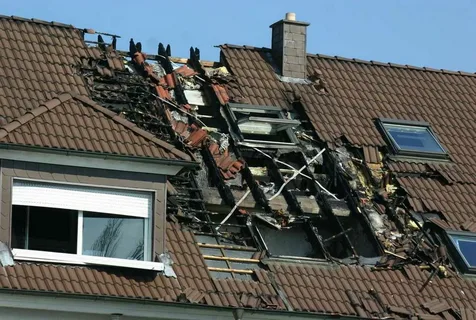
Storms can affect several exterior systems at once, making a coordinated repair plan important. High winds may loosen shingles, damage flashing, displace siding, or pull gutters away from the roofline. Hail can leave dents, cracks, or other damage that is difficult to recognize without a closer inspection. Broken windows and damaged exterior doors can compromise weather protection and security, while clogged or bent gutters may prevent rainwater from draining away from the building. A qualified contractor should inspect the affected components and determine whether localized repairs or complete replacement is appropriate. Not every visible defect requires replacing an entire roof or exterior system; the recommendation should be based on the actual condition, material specifications, and extent of the damage. Homeowners should request a written scope of work that identifies the proposed repairs, materials, labor, and expected timeline. It is also important to confirm that flashing, seals, trim, and drainage details will be addressed rather than focusing only on the most visible damage. Professional repairs help restore the home’s exterior protection and reduce the likelihood of recurring leaks or premature material failure.
Addressing Water Damage and Interior Restoration
Water intrusion can affect ceilings, walls, flooring, insulation, cabinetry, and personal belongings. Even after a leak has stopped, moisture may remain inside building materials and cause swelling, staining, unpleasant odors, or microbial growth. Interior recovery should begin with identifying and correcting the source of the water before damaged finishes are replaced. Depending on the situation, restoration professionals may use moisture meters, specialized drying equipment, controlled ventilation, and other methods to evaluate and dry affected areas. Porous materials that have absorbed contaminated water may require removal, while other materials may be salvageable if they can be cleaned and dried appropriately. Homeowners should avoid painting over water stains or installing new flooring before confirming that the underlying materials are sufficiently dry. If water has contacted electrical equipment, have a qualified electrician determine whether the system is safe to use. Extensive flooding, sewage contamination, or suspected hazardous materials require specialized professional handling. A reliable Storm Damage Restoration plan addresses hidden moisture as well as visible damage, helping prevent recurring problems after cosmetic repairs are complete. Careful inspection and proper drying can make a substantial difference in the quality and durability of the finished restoration.
Choosing a Reliable Storm Restoration Contractor
Selecting the right contractor is an important part of recovering from severe weather. Homeowners should look for professionals with relevant experience, appropriate licensing where required, adequate insurance, and references from comparable projects. Ask for a written estimate that explains the work, materials, payment schedule, projected timeline, and process for handling unexpected damage. It is sensible to compare more than one proposal when circumstances allow, but the lowest price should not be the only deciding factor. An unusually low estimate may omit necessary repairs, while an overly broad proposal may include work that has not been adequately justified. Be cautious of contractors who use high-pressure sales tactics, demand full payment upfront, or promise that insurance will cover every expense. Verify business details independently and review the contract before signing. For larger projects, confirm who will supervise the work and whether subcontractors will be involved. Homeowners should also ask how the contractor will protect unaffected areas, manage debris, and communicate progress. A dependable professional explains the repair process clearly and supports important commitments with written documentation. These precautions help homeowners make informed choices during a stressful period and reduce the likelihood of disputes or incomplete repairs.
Understanding Restoration Costs and Project Timelines
The cost of recovering from storm damage depends on the severity of the event, the number of affected areas, the materials involved, labor requirements, and the extent of hidden damage. Replacing a few shingles or repairing a small section of siding may be relatively straightforward, while structural repairs, extensive water extraction, insulation replacement, and interior reconstruction can require considerably more work. Material availability, weather conditions, inspection requirements, and insurance claim reviews may also influence the schedule. Homeowners should request itemized estimates and ask contractors to explain which repairs are urgent and which can be scheduled later. If additional damage is discovered after work begins, obtain a written change order describing the revised scope and price before approving the additional work, except where immediate emergency action is necessary to protect safety or prevent further damage. Keep copies of invoices, receipts, contracts, and payment records throughout the project. Insurance deductibles and coverage limits should be considered when planning the budget, and homeowners may wish to discuss uncertain coverage questions directly with their insurer. Clear expectations and consistent documentation help make the recovery process more manageable and support better financial decisions.
Preparing Your Home for Future Severe Weather
Once repairs are complete, homeowners can use the experience to identify improvements that may reduce the effects of future storms. Regular roof inspections can help reveal loose shingles, deteriorated flashing, and other vulnerabilities before severe weather arrives. Cleaning gutters and downspouts supports proper drainage, while trimming hazardous tree branches may reduce the risk of impact damage. Inspect exterior caulking, window seals, siding, and door frames periodically, and address deterioration before it allows water to enter. Depending on local conditions, homeowners may also consider impact-rated windows, suitable roofing materials, reinforced garage doors, or other upgrades recommended by qualified professionals. Keeping important documents, insurance information, photographs, and emergency contacts organized can simplify future recovery efforts. It is also useful to understand the property’s drainage patterns and ensure that water is directed away from the foundation where practical. No improvement can eliminate every storm risk, but preventative maintenance and thoughtful upgrades can strengthen the home’s resilience. A professional evaluation can help identify the most useful improvements based on the property’s age, construction, and exposure to severe weather.
Conclusion
Recovering after severe weather requires a careful balance of safety, documentation, urgent protection, and well-planned repairs. Homeowners should begin by avoiding hazards, assessing visible damage from safe locations, and contacting qualified professionals when roofing, structural, electrical, or water-related problems are suspected. Documenting losses, communicating with the insurance provider, and comparing written contractor estimates can help organize the financial and practical aspects of recovery. A comprehensive Storm Damage Restoration approach also addresses hidden moisture, damaged exterior components, and the conditions that may lead to recurring problems. Once the property has been restored, routine maintenance and suitable protective upgrades can help prepare it for future weather events. By taking each step methodically and prioritizing quality workmanship, homeowners can restore their property’s safety, comfort, and appearance while building greater confidence in its long-term protection.