Starting a mobile food business can be an exciting opportunity for aspiring entrepreneurs who want to serve customers at markets, festivals, private events, and busy commercial locations. However, success requires more than a good menu.
Business owners must consider equipment, food preparation, storage, workflow, budgeting, and local regulations. Exploring Food Trailer King can help prospective operators understand the available food trailer options and plan a setup that suits their business concept. Careful preparation can help turn a food business idea into a practical operation with room to grow.
Choose the Right Food Business Concept
Before investing in a food trailer, decide what type of food you want to sell and who your customers will be. Your menu influences the equipment, storage capacity, workspace, and utilities your trailer needs.
For example, a coffee business may require a commercial coffee machine, grinder, refrigeration, and suitable water facilities. A burger or takeaway business may need fryers, griddles, refrigeration, and food preparation benches. Pizza businesses may require specialised ovens and additional space for preparing ingredients.
Research local demand, competitor offerings, customer preferences, and potential trading locations. A focused menu can make it easier to organise stock, train staff, and manage preparation during busy service periods.
Select a Food Trailer That Matches Your Needs
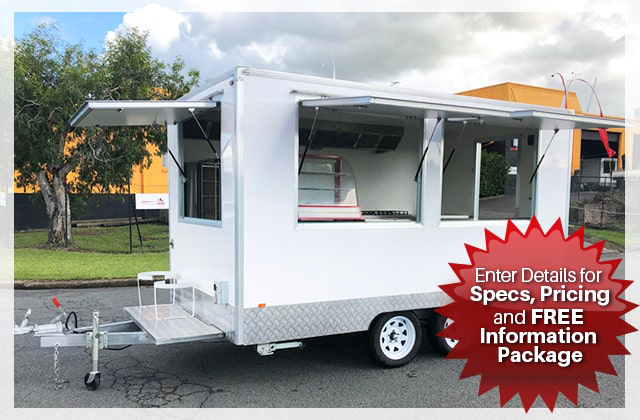
Choosing the right trailer is one of the most important decisions when establishing a mobile food business. A compact model may be suitable for a limited menu and a small team, while a larger trailer can provide more workspace and equipment for higher-volume operations.
Consider the internal work area, storage facilities, serving window, refrigeration, sinks, ventilation, and equipment layout. Staff should be able to prepare orders, access ingredients, and serve customers without unnecessary movement or congestion.
Think about future requirements as well. If you expect to expand your menu or employ additional staff, assess whether the trailer can accommodate those changes.
The goal is to choose a practical configuration that supports your actual workload rather than paying for equipment you may rarely use. You can read more about Front End Wheel Loaders if you want to read.
Plan Your Budget Before Purchasing
A realistic budget should cover more than the initial cost of the trailer. Other expenses may include ingredients, packaging, registration, insurance, permits, equipment maintenance, fuel, electricity, marketing, and site fees.
You should also account for working capital to cover expenses during the early stages of trading, when customer demand may be unpredictable.
Reviewing the Food Trailer King price list can help you explore different trailer configurations and compare listed pricing. Confirm current prices, GST, included equipment, delivery arrangements, financing conditions, and any optional extras directly with the supplier.
When comparing models, consider the total cost of ownership. A trailer with suitable equipment and a practical layout may offer better long-term value than a cheaper option that requires extensive modifications.
If you are considering finance, calculate the repayments alongside your expected operating expenses and realistic sales estimates before committing.
Understand Food Safety and Compliance Requirements
Food businesses in Australia must consider the food safety and regulatory requirements that apply to their activities and locations. These can vary according to the state or territory, local council, menu, and preparation methods.
Before purchasing equipment, contact the relevant local council to understand registration requirements, approvals, and any inspections that may apply. Ask whether your proposed trailer layout and intended trading activities meet the relevant requirements.
Food safety planning should cover handwashing facilities, cleaning procedures, safe food handling, pest prevention, waste management, and appropriate temperature control.
Potentially hazardous chilled foods generally need to be maintained at 5°C or colder, or managed under another permitted time or temperature control. Businesses should follow applicable food safety standards and maintain suitable records where required.
Planning compliance before construction or purchase can help prevent avoidable modifications and delays.
Design an Efficient Kitchen Workflow
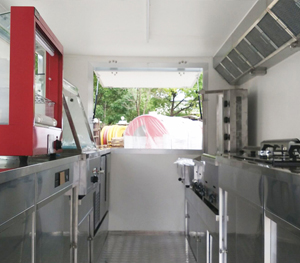
An efficient trailer layout helps staff prepare orders consistently, particularly during busy trading periods. Ideally, ingredients, preparation surfaces, cooking equipment, and serving areas should be positioned to minimise unnecessary movement.
Consider how ingredients will be received, stored, prepared, cooked, and served. Keep frequently used items accessible while ensuring that raw ingredients and ready-to-eat foods are handled and stored appropriately.
Refrigeration is especially important because staff need convenient access to ingredients without compromising temperature control. Adequate storage capacity can also reduce the need for frequent restocking during service.
Before finalising your purchase, explore the Food Trailer King video tours to investigate available trailer designs and equipment arrangements. Use these examples to identify features that may suit your menu and staffing requirements.
Build a Strong Brand and Marketing Strategy
A well-designed food trailer can help your business attract attention, but customers also need to understand what you sell and where they can find you.
Choose a memorable business name, develop clear branding, and make your menu easy to read. Consistent colours, signage, and food photography can help establish a recognisable identity.
Digital marketing is equally valuable. Create a professional online presence, keep your trading schedule updated, and share information about upcoming markets or events. Social media can help customers discover new menu items, follow your location, and recommend your business to others.
Encourage genuine customer feedback and respond professionally to questions and reviews. Reliable service, consistent food quality, and clear communication can help build repeat business over time.
Manage Daily Operations and Measure Performance
Once trading begins, track sales, ingredient costs, waste, operating expenses, and customer demand. These figures can help you identify popular products and determine whether your pricing supports sustainable margins.
Monitor inventory regularly and plan purchasing around expected sales. Preparing too much stock can increase waste, while insufficient ingredients may result in lost sales.
Create checklists for opening, cleaning, equipment inspections, food storage, and closing procedures. Clear routines help staff maintain consistency and identify problems early.
Review performance regularly and make adjustments based on actual results rather than assumptions. Small improvements in preparation time, stock control, and menu planning can contribute to more efficient operations.
Conclusion
Starting a successful mobile food business in Australia requires thoughtful planning, suitable equipment, effective budgeting, and a clear understanding of food safety requirements. Choosing the right trailer and designing an efficient workspace can help establish a strong foundation for everyday operations.
By developing a focused menu, investing in appropriate equipment, building a recognisable brand, and monitoring business performance, entrepreneurs can make more informed decisions as their operations develop. Careful preparation and continuous improvement are essential to building a mobile food business that serves customers effectively and supports long-term growth.