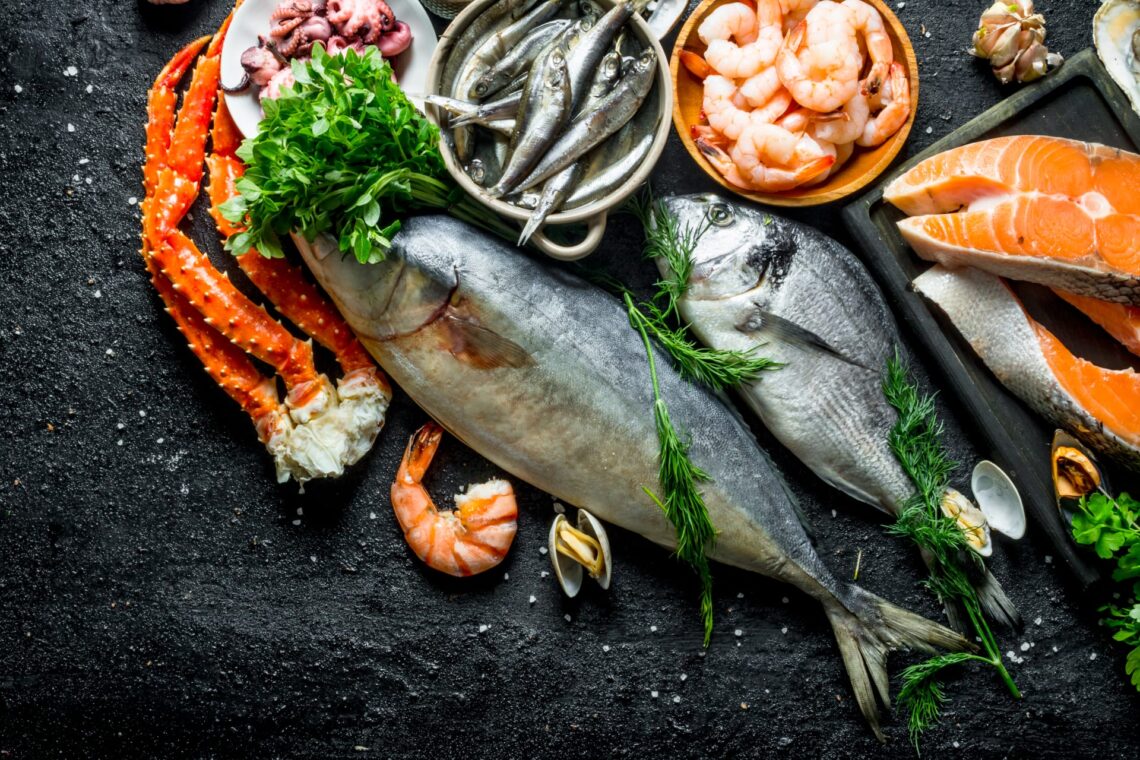
Buying seafood can feel complicated when you are faced with different fish varieties, shellfish, fresh and frozen options, and wide price differences. While some products look appealing on the counter, their appearance alone does not guarantee freshness, proper handling, or good flavor. Knowing what to check before making a purchase can help you avoid disappointing meals and make better decisions for your budget.
Whether you shop at a neighborhood fish market, a supermarket, or a specialty seafood counter, a little preparation goes a long way. Understanding freshness indicators, storage conditions, labeling, and seasonal availability makes it easier to select products that suit your cooking plans.
A reliable approach to buying seafood starts with evaluating the product itself rather than relying entirely on its packaging, price, or appearance. Once you know which details matter most, you can shop with greater confidence and choose ingredients that deliver better results in the kitchen.
What Defines High-Quality Seafood?
Quality seafood should be fresh or properly frozen, handled safely, and suitable for the way you intend to prepare it. However, the signs of quality differ depending on whether you are buying whole fish, fillets, shrimp, scallops, or other shellfish.
Freshness is important, but it is not the only consideration. Temperature control, product origin, processing methods, and storage history can all affect quality. For example, a fish frozen shortly after harvest may retain its texture and flavor better than a supposedly fresh fish that has spent several days under inconsistent refrigeration.
It is also useful to distinguish between freshness and safety. A product may smell acceptable but still have been exposed to unsafe temperatures. Conversely, properly frozen seafood can be safe and flavorful even when it is not sold as fresh. Appearance and smell are helpful indicators, but they cannot establish food safety on their own.
A Step-by-Step Guide to Choosing Quality Products
1. Examine the Appearance
Start by checking the product’s overall condition. Different species naturally have different colors and textures, so look for characteristics appropriate to the particular type rather than expecting every fish or shellfish to look identical.
For whole fish, look for clear, bright eyes, shiny skin, and scales that remain reasonably intact. The flesh should appear moist and firm, not excessively dry, discolored, or deteriorated.
Fish fillets should generally have a clean appearance, consistent color, and a firm structure. Avoid pieces with widespread discoloration, damaged flesh, or excessive liquid pooling in the package.
For shrimp, look for firm flesh and natural coloration appropriate to the species. Avoid products with unusual discoloration, mushy texture, or damaged packaging.
Shellfish require additional attention. Live mussels and clams should generally have closed shells or close when gently tapped. Discard cracked specimens and any live shellfish that remain open and unresponsive. Follow species-specific handling instructions when buying oysters or other shellfish.
2. Check the Smell
Smell is one of the quickest ways to identify potential quality problems.
Fresh fish should have a mild, clean scent, often reminiscent of the ocean or fresh water, depending on the species. Shrimp and other shellfish should not have strong sour, rancid, ammonia-like, or rotten odors.
A powerful fishy smell is not something you should automatically accept as normal. It may indicate deterioration, especially when accompanied by sliminess, discoloration, or soft flesh.
However, remember that smell cannot confirm safety. Some harmful bacteria and toxins do not produce noticeable odors. Always consider refrigeration, handling, and storage information alongside sensory checks.
3. Evaluate Storage and Temperature
Proper temperature control is essential when buying seafood. Products displayed on ice should be surrounded by sufficient ice, and refrigerated items should be kept cold rather than sitting at room temperature.
Check that packaged products are stored according to their label instructions. Avoid packages that are leaking, swollen, torn, or visibly damaged.
Frozen products deserve the same attention. Look for packaging without significant ice buildup, heavy frost, or signs of thawing and refreezing. Large ice crystals or seafood frozen into an unusual solid mass can suggest temperature fluctuations, although they do not prove mishandling.
When shopping, purchase seafood near the end of your trip so it spends less time outside refrigeration. If you have a long journey home, use an insulated cooler with ice packs to maintain a safe temperature.
4. Read Labels Carefully
Labels can reveal important details that are difficult to determine by looking at the product.
Check the species name, country or region of origin, storage instructions, and whether the item was previously frozen. Depending on the product and where you shop, labels may also provide harvest methods, processing details, or sustainability information.
For example, two packages of shrimp may look nearly identical but come from different production systems. One may be farm-raised, while the other is wild-caught. Neither category automatically guarantees superior quality. Farming practices, harvesting conditions, processing, and cold-chain management all influence the final product.
Pay attention to added ingredients as well. Some frozen seafood contains added water, salt, or preservatives. These ingredients may affect texture, flavor, and the amount of usable seafood you receive.
5. Choose the Right Form for Your Meal
The best product depends on how you plan to cook it.
Whole fish can be economical and work well for roasting or grilling, but they require cleaning and careful handling of bones. Fillets offer convenience for quick weeknight meals. Peeled and deveined shrimp save preparation time, while shell-on shrimp may provide additional flavor during cooking.
Frozen fillets and shellfish can be excellent choices when you need flexibility. They are particularly useful for meal planning because you can thaw only what you need, provided the packaging and storage instructions support that approach.
Consider portion size, too. A package that appears inexpensive may contain substantial ice glaze or require considerable trimming. Compare the usable quantity and intended cooking method rather than judging value solely by the package price.
Common Mistakes to Avoid When Buying Seafood
Even careful shoppers can overlook details that affect quality, cost, and food safety.
Assuming fresh is always better than frozen: Freshness depends on the product’s handling history. Properly frozen seafood can be an excellent alternative, especially when transport or storage conditions make fresh options less reliable.
Choosing products based on price alone: Very low prices may reflect seasonal availability, smaller portions, different species, or reduced demand. Compare species, usable weight, condition, and labeling before deciding whether a deal represents good value.
Ignoring the seller’s handling practices: A clean display, adequate refrigeration, and knowledgeable staff are useful signs of good retail practices. Ask how products are stored and whether fresh-looking items were previously frozen.
Buying more than you can store safely: Large quantities are not a bargain if some of the product spoils before you use it. Purchase amounts that fit your meal plans and available freezer space.
Relying only on smell or appearance: Sensory checks can identify obvious quality problems, but they cannot detect every food safety hazard. A product that looks and smells normal may still be unsafe if mishandled.
Practical Tips for Better Seafood Shopping
A few consistent habits can make seafood shopping easier and more predictable.
– Shop with a meal plan. Decide whether you need fish for grilling, shrimp for pasta, or shellfish for steaming before choosing a product. This helps you select the right size, cut, and preparation level.
– Build a relationship with a reputable seller. A knowledgeable fishmonger can explain species differences, expected texture, seasonal availability, and suitable cooking methods. Consistent handling practices matter more than attractive displays alone.
– Ask specific questions. Find out whether the product was previously frozen, how it has been stored, and when it should be used. If the seller cannot provide clear answers about basic handling, consider another supplier.
– Transport purchases carefully. Keep seafood cold on the way home and refrigerate or freeze it promptly. The refrigerator should be maintained at 40°F (4°C) or below.
– Follow safe storage timelines. For best quality and safety, keep refrigerated raw fish and shellfish at 40°F or below and generally use them within one to two days, or freeze them if you need to store them longer. Follow package instructions and species-specific guidance where applicable.
– Thaw frozen products safely. Thaw seafood overnight in the refrigerator or in a sealed package under cold running water when appropriate. If using a microwave, cook it immediately afterward. Never thaw seafood on the counter at room temperature.
– Consider sustainability when practical. Look for credible certification or fishery information when environmental impact matters to you. Sustainability depends on the species, location, fishing method, and management practices, so a simple wild-caught or farm-raised label is not enough to determine environmental performance.
Conclusion
Choosing quality seafood becomes easier when you know what to inspect and which questions to ask. Examine appearance, check for unusual odors, evaluate storage conditions, read labels, and choose products that match your cooking needs. Most importantly, do not confuse visual freshness with food safety.
By combining these checks with proper refrigeration, sensible portion planning, and reliable purchasing habits, you can make better-informed decisions every time you shop. The result is a more dependable cooking experience, less wasted food, and greater confidence in the ingredients you bring home.