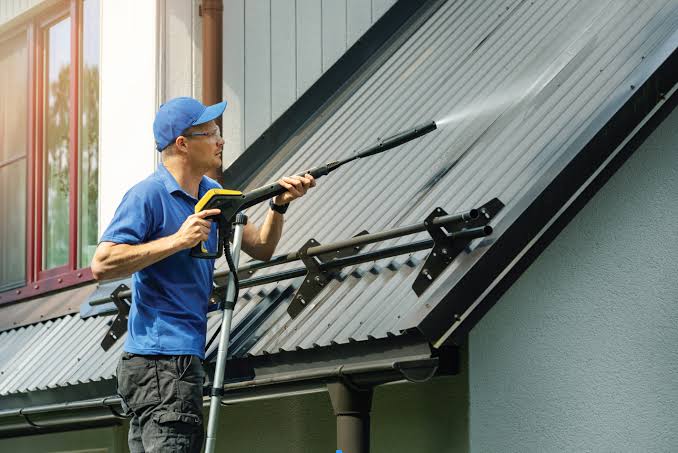
A roof protects your home from rain, wind, sunlight, and changing temperatures, but it also faces constant exposure to dirt, algae, moss, and other organic growth. Over time, these materials can affect your roof’s appearance and, in some cases, contribute to premature deterioration. Regular roof cleaning helps homeowners maintain their roofing systems, identify potential problems early, and prevent minor maintenance issues from becoming expensive repairs.
However, cleaning a roof involves more than removing visible stains. Different roofing materials require different cleaning methods, and using the wrong equipment or chemicals can damage shingles, strip protective coatings, or force water beneath roofing materials. Understanding the safest approach helps homeowners protect their investment while keeping their roofs in good condition.
Whether you have an asphalt shingle roof, a metal roofing system, or a concrete tile roof, a consistent maintenance routine can make a meaningful difference. The key is knowing what to remove, how to remove it, and when professional assistance is the better option.
Understanding Why Roofs Need Regular Cleaning
Roof discoloration often develops gradually, making it easy to overlook until dark streaks, green patches, or accumulated debris become noticeable. Although some buildup is primarily cosmetic, other forms can interfere with drainage or retain moisture against roofing materials.
Algae, Moss, and Lichen
Black streaks on asphalt shingles are frequently caused by Gloeocapsa magma, a type of algae that feeds on components of roofing shingles. These streaks are especially common in warm, humid environments and on roof sections that receive limited direct sunlight.
Moss presents a different challenge. It can hold moisture, grow beneath shingle edges, and contribute to lifting or deterioration during repeated wet and dry cycles. Lichen, which forms crusty patches on roofing surfaces, attaches firmly and can be difficult to remove without damaging the underlying material.
Each growth type requires a suitable treatment. Aggressive scraping might remove visible growth but can also shorten the roof’s useful life.
Leaves, Branches, and Other Debris
Leaves, pine needles, twigs, and dirt commonly collect in roof valleys, behind chimneys, and around other roof features. When debris blocks water flow, rainwater may accumulate or move beneath roofing materials.
Debris can also clog gutters and downspouts, increasing the risk of water overflowing near foundations, siding, and exterior walls. Removing loose material regularly helps maintain proper drainage and makes it easier to spot damaged flashing, cracked tiles, or missing shingles.
A Step-by-Step Guide to Safe Roof Cleaning
An effective cleaning process begins with preparation rather than immediately applying water or chemicals. Following a consistent sequence reduces the risk of accidents and unnecessary roof damage.
Step 1: Inspect the Roof Before Cleaning
Start by examining the roof from the ground using binoculars or by looking from a safe window. Check for missing shingles, sagging areas, damaged flashing, loose tiles, and visible signs of leaks.
Pay particular attention to roof valleys, chimney connections, skylights, and areas beneath overhanging trees. If you notice structural damage, extensive moss growth, or signs of water intrusion, arrange an appropriate professional inspection before cleaning.
There is no need to climb onto the roof simply to complete an initial assessment. Walking on fragile or deteriorated roofing can create additional damage and increase the risk of falling.
Step 2: Identify the Roofing Material
Different roofing materials respond differently to water pressure, cleaning solutions, and physical contact.
- Asphalt shingles: Usually require a low-pressure approach and a cleaning solution approved by the shingle manufacturer.
- Metal roofs: Generally tolerate routine rinsing, but the cleaner must be compatible with the roof’s finish and protective coatings.
- Clay and concrete tiles: May crack under foot traffic or excessive pressure, making careful access and material-specific cleaning essential.
- Wood shingles: Require particular care because harsh chemicals and aggressive washing can damage the wood or its surface.
If you are unsure about the material or its cleaning requirements, check the manufacturer’s maintenance instructions before selecting a method.
Step 3: Protect Surrounding Areas
Before applying a cleaning solution, consider how runoff will affect landscaping, exterior finishes, and nearby drainage systems. Move outdoor furniture, cover vulnerable items where appropriate, and follow product-specific instructions for protecting plants.
Keep children and pets away from the work area. Never mix cleaning chemicals, particularly bleach with ammonia or acidic products, because dangerous gases can form.
Choose a calm day with suitable weather conditions. Wet surfaces, strong winds, and approaching storms make roof work more hazardous.
Step 4: Choose the Appropriate Cleaning Method
For many asphalt shingle roofs, low-pressure chemical treatment is preferable to high-pressure washing. A manufacturer-approved solution can treat algae and other organic growth without the mechanical force associated with pressure washers.
Apply products according to their labeled dilution, contact time, and rinsing instructions. Some treatments are designed to work gradually, allowing rain to remove loosened or dead growth over time. Avoid scrubbing or scraping shingles unless the manufacturer specifically recommends a suitable technique.
For metal roofs, follow the manufacturer’s guidance on compatible detergents, rinsing, and runoff. Tile roofs may require gentle treatment and specialized access equipment rather than direct pressure washing.
A homeowner can often handle basic ground-level debris removal, but steep roofs, fragile materials, and extensive biological growth are better left to trained professionals.
Step 5: Inspect the Roof After Cleaning
Once the cleaning process is complete and the roof is safe to assess, check whether the treatment has addressed the buildup and whether any defects have become visible.
Look for remaining blocked drainage channels, loose roofing components, damaged flashing, and signs of moisture around roof penetrations. Remember that some biological treatments work gradually, so immediate disappearance of every stain may not be expected.
Record any defects that need repair and arrange follow-up work before they allow water to enter the building.
Common Roof Cleaning Mistakes to Avoid
Several common mistakes can turn routine maintenance into an expensive repair.
Using excessive water pressure: High-pressure washing can dislodge asphalt granules, damage protective finishes, crack vulnerable tiles, and drive water beneath shingles. A pressure washer is not automatically suitable simply because it removes dirt quickly.
Using harsh or incompatible chemicals: Concentrated cleaners can discolor surfaces, damage metal coatings, harm plants, and corrode nearby components. Always use products approved for the roofing material and follow label instructions.
Ignoring personal safety: Climbing onto a wet roof with an ordinary ladder is dangerous. Roof pitch, loose granules, slippery growth, overhead power lines, and unstable ladder placement all increase the risk of serious injury. Avoid roof access unless the work can be performed with appropriate training and fall-protection equipment.
Cleaning without addressing the underlying cause: If tree branches continually shade the roof or leaves repeatedly block a valley, stains and debris may return quickly. Trimming suitable overhanging branches and improving routine drainage maintenance can reduce recurring problems.
Expecting every stain to disappear immediately: Some discoloration requires time to fade after treatment. Repeatedly applying chemicals or scrubbing the same area can cause more harm than leaving minor residual staining alone.
Practical Tips for Long-Term Roof Maintenance
A roof maintenance schedule should reflect local weather, surrounding vegetation, roofing material, and the age of the structure. A home beneath mature trees may need more frequent debris removal than one in an open area.
Consider these practical recommendations:
- Inspect at least twice a year. Spring and fall are useful times to look for debris accumulation, storm damage, and drainage problems.
- Check after severe weather. Strong winds, heavy rain, and hail can displace roofing materials or deposit branches and other debris.
- Maintain gutters and downspouts. Clear drainage systems help prevent water from backing up near roof edges and overflowing around the home.
- Manage nearby vegetation. Where appropriate, trim branches that rub against the roof or create excessive debris, while preserving suitable clearance and tree health.
- Use preventive treatments carefully. Follow manufacturer recommendations for algae-resistant products and compatible maintenance treatments rather than experimenting with unverified mixtures.
- Keep maintenance records. Document inspection dates, repairs, cleaning treatments, and recurring trouble spots. This information helps identify patterns and plan future maintenance.
For example, a homeowner who notices recurring algae streaks on the north-facing side of an asphalt shingle roof may benefit from checking nearby tree cover, improving routine inspections, and selecting a manufacturer-approved treatment. Repeatedly pressure-washing the same section would address the appearance without solving the maintenance problem safely.
Professional cleaning is worth considering when the roof is steep, difficult to access, heavily covered in moss, or made from delicate materials. When comparing contractors, ask about their cleaning method, safety procedures, insurance, chemical handling, and experience with your specific roofing system. A reliable provider should explain the proposed process and identify any existing damage before beginning work.
Conclusion
Safe roof maintenance starts with understanding the roofing material, identifying the source of buildup, and selecting a cleaning method that protects the surface rather than simply making it look clean. Regular inspections, clear drainage systems, careful vegetation management, and appropriate treatments can help prevent avoidable damage.
The most effective approach is preventive maintenance, not aggressive cleaning whenever stains become visible. By recognizing problems early, following manufacturer guidance, and seeking professional help when conditions are hazardous, homeowners can keep their roofs functional, attractive, and better protected for years to come.