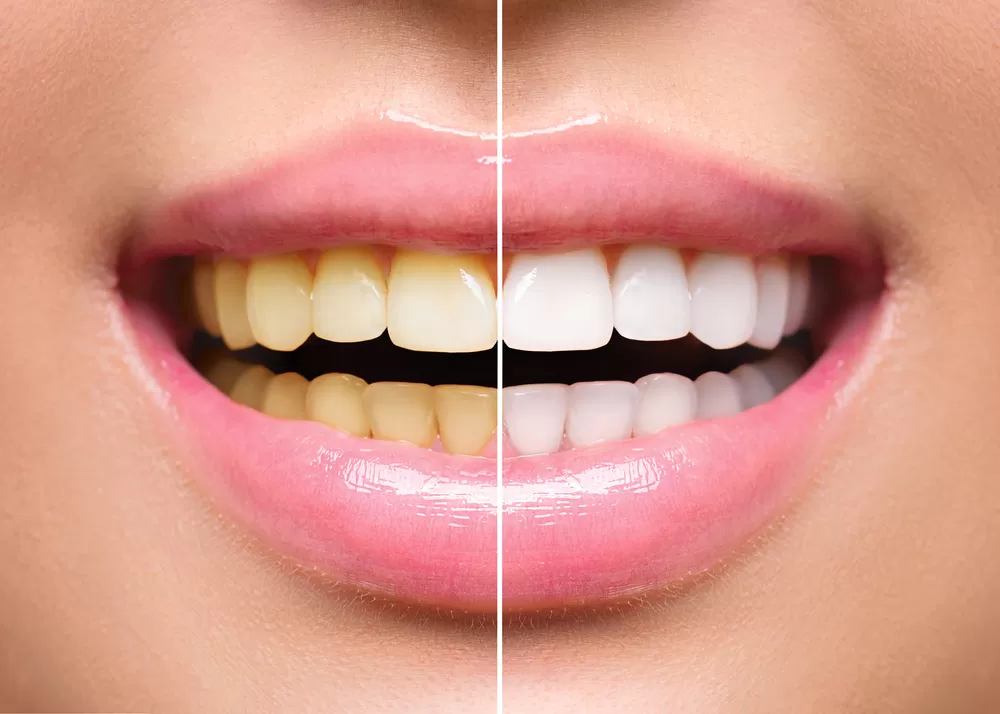
Walk down any pharmacy aisle and you will find shelves of products promising a whiter smile by Friday. Walk into a dental office and you will hear a different promise: fewer shades promised, but results you can actually see in the mirror. So which route really works? If you are researching teeth whitening in Richmond, the honest answer is that both professional treatment and home products can lighten teeth, but they do it with very different strength, speed, and reliability. Understanding those differences before you spend money saves you from weak results, sore gums, and the frustration of starting over.
The Short Answer: Strength Is the Real Difference
Almost every whitening product relies on the same basic chemistry. Peroxide-based gels break apart the stain molecules that have settled into enamel over years of coffee, tea, red wine, and everyday life. The difference between options is concentration and contact. Professional gels are considerably stronger than anything sold over the counter, and they are applied in a controlled way that keeps the gel on your teeth and off your gums. Store products use gentler formulas because they are designed for unsupervised use by anyone, including people with cavities or gum problems they may not know about.
That strength gap explains nearly everything else in this comparison. Stronger gel, properly isolated, lifts deeper stains in less time. Weaker gel can still work, but only on surface discolouration, and only with patient, repeated use. Neither approach changes the natural colour of crowns, veneers, or fillings, which is one reason a professional assessment matters before you begin. A dentist can tell you which teeth will respond, which stains are internal and harder to shift, and whether whitening is even the right treatment for the result you want.
How Professional Whitening Works
What Happens During In-Office Teeth Whitening
In-office teeth whitening starts with protection. Your dentist checks for decay, cracks, and gum recession, cleans away surface plaque, and places a barrier to shield your gums and lips. The whitening gel is then painted onto the visible surfaces of your teeth and left to work, sometimes in several short cycles, while the team monitors comfort throughout. Because the gel is strong, supervision is not a luxury, it is the safety system. Most appointments take around an hour to ninety minutes, and most patients leave noticeably brighter the same day, without guessing about timing or coverage.
Take-Home Whitening Kits From Your Dentist
Not every professional option happens in the chair. Many practices offer take-home whitening kits built around custom trays made from impressions or scans of your teeth. Those trays matter more than people expect: a tray that fits precisely holds gel evenly against every tooth, keeps it from leaking onto gums, and uses less product per session. You wear the trays for a set period each day, usually over one to two weeks, and the shade improves gradually. The pace is slower than in-office treatment, but the fit, gel quality, and professional guidance still put it well ahead of generic store trays.
How Over-the-Counter Home Kits Work
Whitening Strips and One-Size Trays
Whitening strips are thin, flexible pieces of plastic coated with a mild gel, pressed onto the front teeth once or twice a day. They are inexpensive, widely available, and genuinely useful for mild, recent surface stains. Their limits are built into the design. Flat strips struggle to reach the curved edges between teeth, they slide on saliva, and they rarely cover back teeth evenly, so results can look patchy. One-size trays have the opposite problem: too much gel in some places, too little in others, and frequent contact with gums that were never meant to sit in peroxide.
Whitening Toothpastes, Pens, and Light Devices
Whitening toothpastes work mainly by polishing. Mild abrasives and chemical agents scrub away fresh surface stains, which helps maintain brightness but does not truly bleach the tooth underneath. Whitening pens are convenient for travel and quick touch-ups, yet the tiny amount of gel they deliver makes them a cosmetic fix rather than a treatment. Home light devices are heavily marketed, but on their own they add little; light is not what whitens teeth, peroxide contact time is. These products have a place in maintenance, but expecting them to transform a smile sets you up for disappointment.
Head-to-Head: Results, Speed, and Evenness
Shade Change and Stubborn Stains
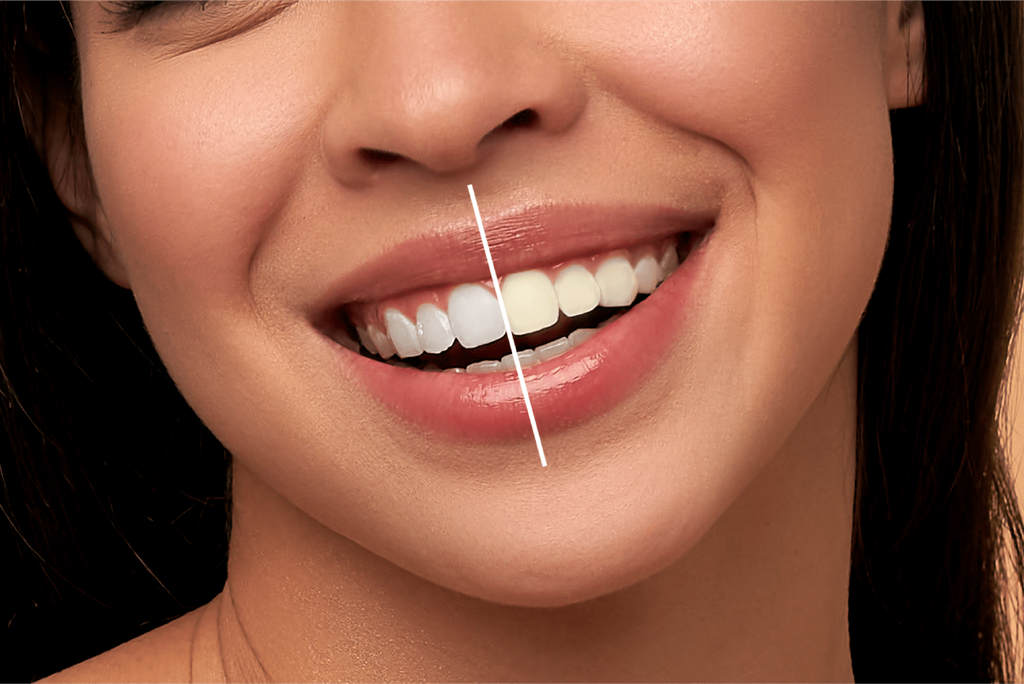
For speed, there is no contest. Professional treatment can lift several shades in a single visit, which is why people book it before weddings, photographs, interviews, and reunions. Home kits ask for daily commitment over weeks, and the improvement is usually more modest. Evenness follows the same pattern: custom application covers each tooth deliberately, while strips and generic trays leave edges and overlaps undertreated. Stubborn stains widen the gap further. Tetracycline discolouration, fluorosis, and stains from ageing or trauma respond slowly, if at all, to low-strength products, whereas a dentist can adjust the plan, extend treatment safely, or recommend alternatives such as bonding or veneers when whitening alone will not deliver.
Longevity depends less on the brand and more on your habits afterwards. Coffee, tea, cola, berries, and tobacco will restain any whitened smile, professional or otherwise. The difference is that professional patients usually leave with a maintenance plan, sometimes including custom trays for occasional touch-ups at home. That combination, a strong start plus guided upkeep, is why professionally whitened smiles tend to stay brighter for longer. Buying kit after kit to chase a result that fades in weeks often ends up costing more than doing it properly once.
Safety, Sensitivity, and Your Enamel
Sensitive Teeth Whitening Without the Guesswork
Sensitivity is the side effect people worry about most, and it deserves a straight answer. Whitening can cause temporary sensitivity in anyone, because peroxide can reach the inner tooth during treatment. The risk rises when strong products are misused, when kits are left on too long, or when whitening is attempted over untreated decay. Sensitive teeth whitening works best when a professional controls gel strength, session length, and desensitising support before and after treatment. At home, nobody checks whether that sharp twinge is normal sensitivity or a cracked tooth asking for help, and that unknown is the real risk of unsupervised whitening.
Cost Compared Honestly
Home kits win on shelf price, and it is fair to say so. A box of strips costs a fraction of an in-office appointment. But cost per result tells a different story. If mild products only lighten your teeth slightly, and you repeat purchases for months to hold that small gain, the spending creeps up while the result stays underwhelming. Professional whitening costs more upfront because you are paying for stronger materials, custom trays where included, chair time, and a clinician who is accountable for the outcome. For a special occasion or a significant colour change, that accountability is usually the better value.
There is also a hidden cost to getting it wrong: treating teeth that should not be whitened yet. Whitening over decay or leaking fillings can trigger pain that turns a cosmetic purchase into an urgent dental bill. A pre-whitening examination with a dentist in Richmond TX can catch those problems first, sequence any repairs sensibly, and make sure the money you spend on whitening is not undermined by a tooth that needed attention all along. That sequencing, treat health first, then cosmetics, is something no retail box can offer.
Which Option Fits Your Smile?
Choose home products if your stains are light, your teeth and gums are healthy, your budget is tight, and you are patient enough for gradual change. Choose professional care if you want a visible difference quickly, your stains are deep or uneven, you have restorations to plan around, or previous kits have left you sore and underwhelmed. Many patients get the best of both worlds: start with professional teeth whitening in Richmond to reach the shade they want, then maintain it with dentist-supplied trays at home. If you would like advice tailored to your teeth, explore your teeth whitening options and book a consultation to talk through the approach that fits your smile, timeline, and comfort.
Frequently Asked Questions
How long does professional whitening take to work?
Professional whitening usually brightens teeth in a single visit lasting about sixty to ninety minutes, while home kits often need daily use for two weeks before showing comparable, noticeable colour changes overall.
Is professional whitening safe for enamel?
When supervised by a dentist, professional whitening is considered safe for healthy enamel because products are carefully applied, gums are protected, and treatment strength is matched to your teeth and sensitivity history beforehand.
How long will my whitening results last?
Results typically last from six months to two years depending on diet, smoking, oral hygiene, and touch-up habits, so limiting staining drinks and maintaining regular dental cleanings helps preserve your brightness much longer.