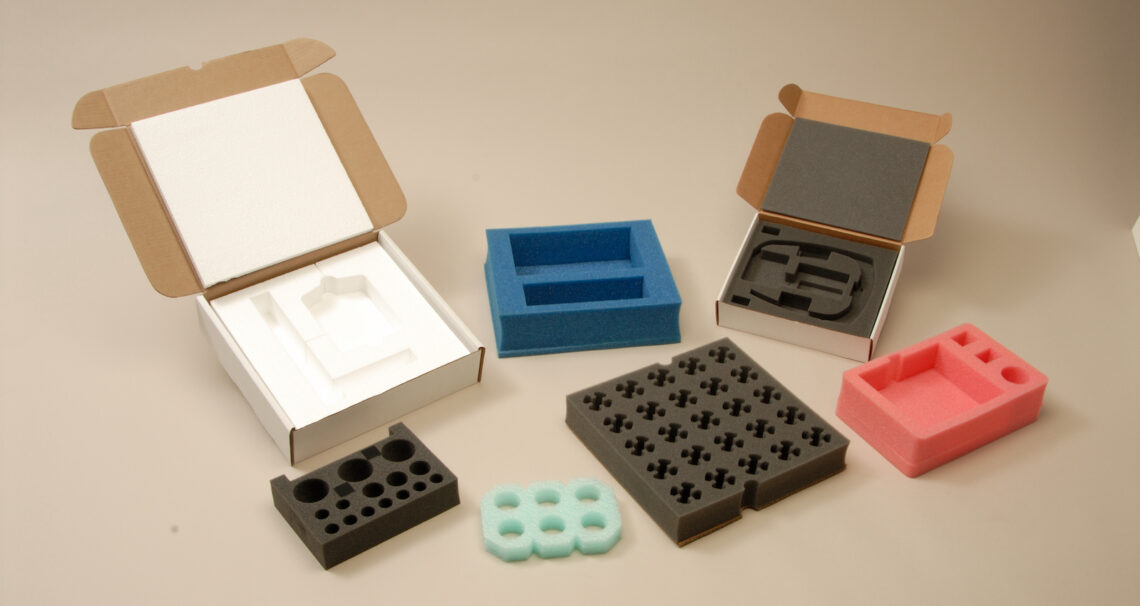
Packaging can do more than hold a product during shipping. A well-designed package can also make the product feel special from the moment it arrives. That is where packaging inserts can help. They keep items in place, add useful information, and give a box a more finished look. A small insert can also make packing easier for a business, especially when products come in different shapes or need extra protection. From retail items to gifts and food products, inserts can be made in many forms to suit different needs. The right choice depends on the product, the box, and the experience you want to create. This guide looks at practical ways to use inserts, what materials work well, and how simple details can improve both protection and presentation without making packaging unnecessarily complicated.
Improve Product Protection
One of the main jobs of an insert is to keep a product secure inside its package. Without support, an item can move around during handling and shipping. That movement can lead to scratches, dents, broken parts, or damaged surfaces. A properly fitted insert gives the product a stable place to sit. Custom packaging inserts wholesale can be made around a product’s size and shape, which helps reduce empty space inside the box. This can also make packing faster because workers know exactly where each item belongs. For fragile goods, the insert can provide additional separation between products. Good protection does not always require thick or expensive materials. A simple, well-fitted design can often do the job effectively.
Create Better Unboxing
The way a package opens can affect how customers remember a brand. An insert can make the inside of a box look neat instead of leaving the product loose among filler material. There are many packaging ideas that can make an ordinary box feel more thoughtful. A printed welcome message, care card, thank-you note, or small product guide can sit neatly beside the item. Some businesses use an insert to introduce another product or explain how to use the item correctly. The design does not need to be complicated. Clean spacing and useful information are often enough. When the customer opens the box and sees everything arranged properly, the package can feel more organized and carefully prepared.
Support Food Packaging
Food products often need inserts that serve a practical purpose while keeping the package attractive. Small treats, baked goods, and handmade sweets can benefit from internal support that stops them from shifting during transport. For example, cake pop packaging inserts can hold individual treats in place and reduce contact between them. This can help protect decorations and keep the products looking presentable when they reach the customer. Food packaging also needs to consider cleanliness and suitable materials. Inserts should be selected according to the product and its packaging requirements. The shape can be simple, but it should fit securely inside the container. A good insert can make packing easier while giving the finished package a tidy appearance.
Choose Suitable Materials
The material used for an insert affects its strength, appearance, cost, and purpose. Paperboard is a common choice because it is lightweight and easy to print. Corrugated materials can provide more support when the product needs extra protection. Foam may work well for delicate items that need cushioning, while molded materials can create a close fit around unusual shapes. Businesses should also think about storage and shipping costs before choosing a material. For companies ordering rigid mailers in bulk, the insert may need to match the strength and size of the mailer. A suitable material should protect the product without adding unnecessary weight. It should also fit the overall packaging design instead of feeling like a separate piece.
Fit Different Products
Products vary widely, so one insert design will not work for every package. A bottle may need a holder around its base and sides, while a small electronic item may need compartments for the main device and accessories. Packaging inserts for boxes can be shaped to create separate spaces for several items. This is especially useful for gift sets, product bundles, and subscription boxes. Before creating an insert, measure the product carefully. Consider its length, width, height, and any parts that stick out. The insert should hold the item securely without making it difficult for the customer to remove. A good fit also helps prevent the product from moving while the package is being handled.
Add Useful Information
An insert does not have to be used only for protection. It can also give customers information that might not fit on the product label or outer box. A short instruction card can explain how to use or care for an item. A warranty note can provide important details about support. Some brands also include a small thank-you message or a reminder about recycling the package. The best packaging inserts often combine a practical function with useful communication. The information should be easy to read and limited to what the customer actually needs. Too much text can make the insert feel crowded. A simple layout with clear wording can make the card more useful and easier to keep.
Strengthen Brand Presentation
A package is often one of the first physical experiences a customer has with a brand. A carefully designed insert can help that experience feel consistent. Product packaging inserts can include brand colors, a logo, product information, or a short message that matches the rest of the packaging. Even small businesses can use this space to create a recognizable style. The insert does not need to be covered with graphics. A simple design can look more professional when the typography, spacing, and message are well chosen. It is also worth considering how the insert looks next to the actual product. The goal is to support the package as a whole, not compete with the item inside it.
Plan Printing Efficiently
Printing choices can make a noticeable difference when ordering inserts regularly. Businesses should decide how many inserts they need, how often the design may change, and whether both sides need printing. Ordering larger quantities can reduce the cost per piece, but only if the inserts will be used before the design or information becomes outdated. Custom Packaging can be useful when a business wants consistent branding and a polished presentation across its packages. Before printing, check the artwork, dimensions, colors, and wording carefully. It is also smart to request a sample when possible. A physical sample can reveal sizing or layout problems that may not be obvious on a computer screen.
Conclusion
A good insert can make packaging more useful without making it overly complicated. It can hold products securely, improve presentation, provide helpful information, and give customers a better experience. The best choice depends on the product, packaging size, material, budget, and purpose of the insert. Taking time to plan these details can prevent problems later and make the packing process easier.
Packaging inserts do not need to be elaborate to have an effect. A simple design that fits well and serves a clear purpose can add real value. Whether the goal is protection, branding, or better organization, the right insert can make a package feel more complete and carefully prepared.