Knee pain can make your day difficult before it has even properly started. Getting out of bed, walking up the stairs, or standing after sitting for a long time suddenly takes more effort than it should. And when it keeps happening, it gets frustrating. You want some relief without having to change your entire routine.
A knee massager for pain relief can be one way to deal with that everyday discomfort at home. It won’t fix every knee problem, of course, but it may help with stiffness and provide some temporary comfort. There are a few other things worth trying, too. Nothing fancy or complicated. Just simple habits that may help your knees feel a little better.
1. Try a Knee Massager When Your Knees Feel Stiff
Sometimes your knees just feel tight after a long day. Maybe you’ve been standing at work, walking around the house, or sitting at your desk for hours. That stiffness can make getting moving again uncomfortable.
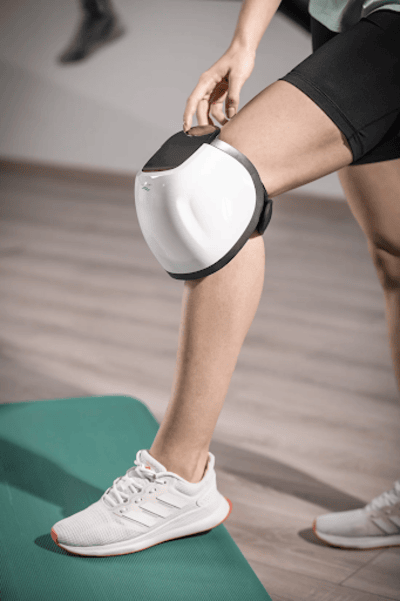
This is where a knee massager may help. Depending on the model, it can provide gentle vibration, massage, or warmth around the knee. Some people find these features relaxing, especially when their legs feel tired after a busy day.
Don’t rush into using the highest setting, though. Start low and see how your knee responds. If it starts hurting more, stop.
A massager is mainly for comfort. It won’t fix a serious injury or reverse joint damage, so keep your expectations realistic.
2. Use Warmth for Everyday Stiffness
There’s a reason people reach for a warm towel when their muscles feel sore. It feels soothing, and it can help you relax when your knee feels stiff.
You don’t need a complicated setup. A warm towel or heating pad may be enough. Apply it for around 15 to 20 minutes, making sure the temperature isn’t too high.
Heat can be useful when your knee feels stiff after sitting for too long or first thing in the morning. But don’t use it on a freshly injured knee that’s swollen or unusually warm. Cold therapy may be a better choice in that situation.
One small thing to remember: protect your skin and don’t fall asleep with a heating pad running. Simple precautions matter.
3. Keep an Ice Pack Handy
If your knee feels sore or swollen after walking, exercising, or spending too much time on your feet, try a cold compress.
Wrap an ice pack in a towel and apply it for about 15 to 20 minutes. Never put ice directly on your skin. It can cause damage, even if it doesn’t feel too cold at first.
Cold therapy may help reduce discomfort and swelling, particularly after an injury or a more active day.
But don’t keep icing your knee and hoping the problem disappears. If the pain is severe, the swelling is significant, or you can’t put weight on your leg, get medical advice instead.
4. Don’t Stop Moving Completely
When your knees hurt, resting on the sofa can seem like the obvious answer. And yes, giving your knees a break is sometimes necessary. The problem is that doing very little for days on end can leave the muscles around your knees weaker.
Try gentle movements instead. Seated leg extensions, short walks on flat ground, and other low-impact exercises can help you stay active without putting too much strain on your joints.
Start with a few minutes. You don’t need to do a full workout, especially if your knees are already bothering you.
If a movement causes sharp pain or makes your symptoms worse, stop. A physiotherapist can help you figure out which exercises make sense for your particular problem.
5. Use a Knee Pain Massager Machine Sensibly
Buying a knee pain massager machine is one thing. Knowing how to use it properly is another. Some machines offer heat and vibration, while others provide different types of massage or compression. The features depend on the model, so check the instructions before getting started.
Try using the device during a quiet part of your day, when you can sit comfortably and pay attention to how your knee feels. Follow the recommended session time instead of using it for longer because you think more massage will mean better results.
Also, avoid using a massager on a freshly injured, very swollen, or hot knee without medical guidance. It isn’t worth making things worse just to get temporary relief.
Think of the device as an extra tool, not the whole solution.
6. Make Small Changes to Your Daily Routine
You might not notice how much pressure you put on your knees until they start hurting. Standing for hours, climbing stairs repeatedly, or sitting in one position all afternoon can leave them feeling uncomfortable.
A few small changes may help. Take breaks if your job involves standing for long periods. If you sit most of the day, get up and move around every so often.
Footwear matters as well. Shoes that fit properly and provide suitable support can make walking more comfortable.
If extra body weight is putting additional strain on your joints, gradual weight management may also help. There’s no need for drastic changes overnight. Start with something manageable and build from there.
7. Give Your Knees Time to Recover
Here’s the thing: you can’t always get rid of knee pain in one evening.
You might use a massager, apply a cold pack, and feel better for a while. Then the discomfort returns the next morning. That doesn’t necessarily mean you’ve done something wrong, but it does mean you may need to look beyond temporary relief.
Give yourself time to recover after strenuous activity. Avoid movements that repeatedly aggravate your knee, and increase your activity gradually rather than doing too much on a good day.
A knee massager for pain relief may help you feel more comfortable, but ongoing pain shouldn’t be ignored. If your knee keeps hurting, affects your sleep, or makes normal activities difficult, speak with a healthcare professional.
Get urgent medical attention for sudden severe pain, major swelling, a hot red knee with fever, or an inability to bear weight.
Conclusion
Dealing with aching knees isn’t much fun, especially when it starts affecting ordinary things you used to do without thinking. The good news is that there are several practical ways to manage discomfort at home.
Gentle massage, heat or cold therapy, suitable exercises, and a few changes to your daily routine can all play a part. A knee massager for pain relief may be worth trying if stiffness is making you uncomfortable, but don’t expect it to solve every problem.
If you’re considering a knee pain massager machine, choose one that’s comfortable, follow the instructions, and pay attention to how your body responds.
Most importantly, don’t ignore pain that keeps coming back. Start with simple steps, give your knees a chance to recover, and get professional help when you need it. You don’t have to make things complicated, but you do need to listen to your body.