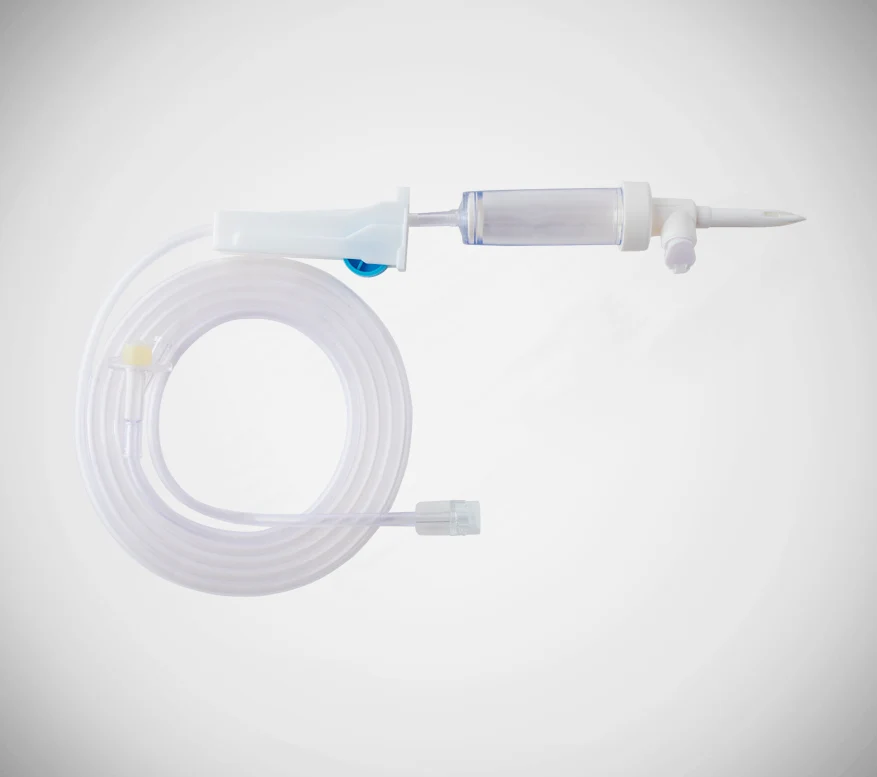
Intravenous therapy is a common part of healthcare, helping patients receive fluids, medicines, and other prescribed treatments directly into the bloodstream. A reliable IV infusion set plays an important role in making this process possible. It connects the fluid container to the patient’s intravenous access point and supports controlled delivery during treatment.
For healthcare professionals, choosing suitable medical supplies is more than convenience. Product quality, compatibility, sterility, and ease of use can all contribute to a smoother clinical procedure.
What Is an IV Infusion Set?
An IV infusion set is a sterile medical device used to administer fluids or medications intravenously. It generally includes tubing, a drip chamber, a spike to connect to the fluid container, and a flow-control mechanism. Some sets may also include additional features depending on their intended application.
The exact setup can vary by therapy type and clinical requirements. Healthcare professionals select the appropriate set based on factors such as the prescribed fluid, administration method, and patient needs.
How Does It Work?
The basic function is straightforward. The set creates a pathway between the fluid container and the patient’s vascular access device. Once properly connected, the prescribed solution travels through the tubing and enters the bloodstream at a controlled rate.
A cannula is commonly used to provide peripheral intravenous access. The infusion set is then connected to the access point according to the clinical procedure and manufacturer’s instructions.
The flow rate may be regulated manually or through an infusion device, depending on the treatment. Throughout the process, healthcare professionals monitor the patient and equipment to ensure the infusion progresses as intended.
Key Features to Consider
When selecting an infusion set for a healthcare facility, several factors deserve attention:
Sterility:
Sterile packaging is essential for products intended for intravenous use. The packaging should remain intact until the device is ready for use.
Material quality:
The tubing and other components should be made from suitable medical-grade materials designed for their intended purpose.
Connection compatibility:
The set should be compatible with the relevant containers, access devices, or infusion equipment used in the clinical setting.
Flow control:
Depending on the design, the set may include a clamp, regulator, or other mechanism that helps healthcare professionals manage fluid delivery.
Ease of handling:
Clear markings, flexible tubing, and practical components can make equipment easier for trained professionals to handle during routine procedures.
Why Quality Matters
Intravenous treatment requires careful attention to safety and hygiene. A poorly suited or damaged device can interfere with the administration process and create unnecessary complications. For this reason, medical facilities should source products from reliable suppliers and follow appropriate storage, handling, and usage practices.
Healthcare professionals should always inspect packaging before use and check the product for visible damage or defects. They should also follow the manufacturer’s instructions and their facility’s established clinical protocols.
Choosing the Right Medical Supplies
Different clinical situations may call for different types of infusion equipment. Rather than selecting a product based only on price, healthcare facilities should consider its intended application, compatibility, quality standards, packaging, and supplier reliability.
A dependable IV infusion set can support efficient intravenous therapy when it is selected appropriately and used by trained healthcare professionals. For medical facilities, maintaining a consistent supply of quality equipment can also help streamline everyday patient-care procedures.
Ultimately, good medical supplies are about more than individual products. They form part of a larger system of safe, organised, and patient-focused healthcare.