Most people only find out their driveway was built badly when it rains. A hard storm rolls through, and the next morning there’s a gully down the middle and a fan of stone sitting in the street. North Alabama Rock & Dirt, a supplier serving Madison and the rest of North Alabama, hears about this a lot. The stone is rarely the culprit. The ground under it usually is.
Why the Soil Under the Stone Matters More Than the Gravel on Top
Gravel goes wherever the ground lets it. Put it over a soft spot, and it sinks. Put it over a dip and water collects there, then drags the stone away with it.
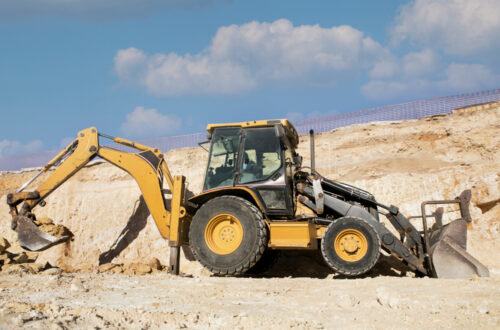
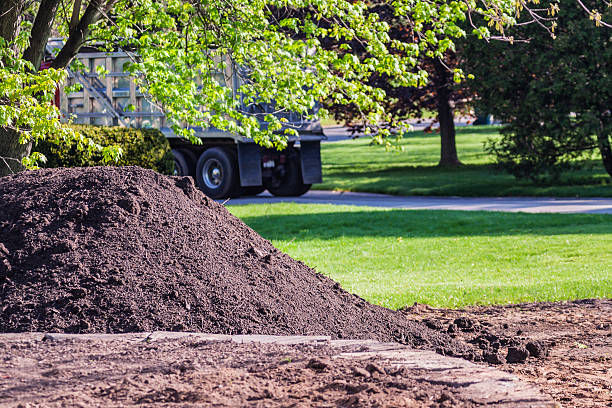
So the first job often has nothing to do with gravel. Low areas need filling, and that’s where soil delivery Madison AL, comes in. Red dirt is the fill material for this, and it packs down firm when it’s compacted. It won’t grow a lawn, but it will build up a low spot so the driveway has something solid to sit on.
Water Needs a Way Off the Driveway, or It Will Make Its Own Way Through It
A flat driveway holds water. One that’s slightly higher in the middle and lower at the sides sends it off. Slope matters too, ideally away from the house and the garage.
After that, the water has to land somewhere. A side ditch or a clear path to a drain does more good than most homeowners expect. On steeper lots, bigger stone such as #4 or rip rap at the trouble spots slows the flow down. The company stocks both.
The Order of the Layers Is the Part Most Failed Driveways Got Wrong
A driveway is a stack, and each layer has a different job.
- Red dirt first, if the ground needs raising or leveling
- Then a compactable base like crusher run, which locks together into a hard foundation
- Then #57 or #67 limestone gravel on top, which drains well and handles the traffic
- #78 only where a finer finish makes sense, such as walkways or top dressing
The base is where most of the work happens. A new driveway needs a thicker one than a driveway that’s just being topped up. Thin it out to save a few dollars and the ruts usually show up within a year or two.
Packing Down Each Layer Before Adding the Next Is Not a Step Worth Skipping
Loose stone moves. Packed stone doesn’t. Each layer should be spread, leveled, and compacted before the next one goes on. Dumping it all at once and raking it flat looks great on Saturday. By the third rainy week it looks like something else.
Working Out How Much to Order So the Truck Only Has to Come Once
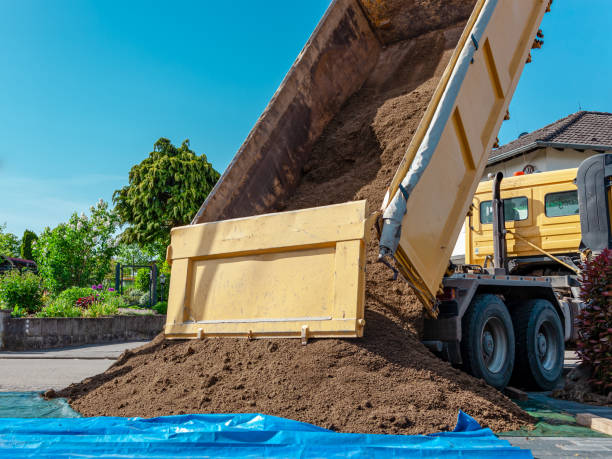
Too little means a second delivery. Too much means a pile that sits in the yard for months. The company’s rule of thumb is that one cubic yard equals 27 cubic feet, which is roughly 1.5 tons. One ton of gravel covers about 80 to 100 square feet at 2 inches deep.
Each layer gets its own measurement, since base stone and top gravel are separate orders. The calculator on the Madison page does the math. The sales team will check the numbers too if anyone would rather ask.
Picking the Drop Spot and Timing the Delivery
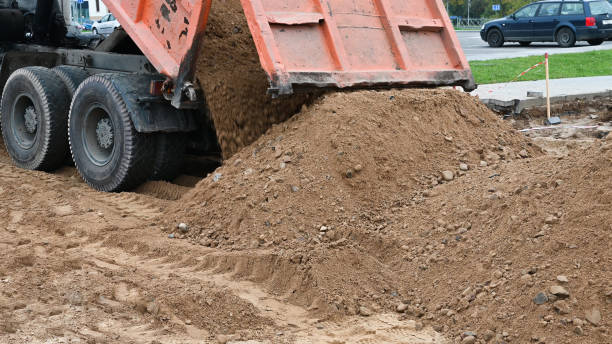
Trucks can’t go everywhere. Low power lines, soft ground, steep grades, and tight gates all limit where a driver can dump. Picking the spot ahead of time saves an argument later. Deliveries run Monday through Saturday, and an early-morning order can often arrive the same day or the next. Spring fills up fast, so a few days of notice is smart.
Topsoil Along the Edges Keeps the Driveway From Washing Out From the Sides
Edges get forgotten. Bare dirt along the sides washes away in a heavy rain and takes gravel with it. Screened topsoil, seeded or sodded, holds those shoulders in place. It isn’t the same thing as red dirt. Red dirt builds the ground, topsoil grows the grass that protects it, and a good driveway usually needs both.
FAQs
How thick should a gravel driveway be?
That depends on the ground and the traffic. A new driveway typically needs a thicker base than one being refreshed, plus a top layer of driving gravel. Soft or wet soil calls for more. A supplier can suggest depths once they know the length, width, and condition of the site.
Why does my gravel driveway wash out when it rains?
Most often it is due to drainage. Flat ground, absence of side ditches, and thin base cause water to wash stones away. The problem is normally solved by re-grading with a slight crown, applying base and putting stones in areas of most rapid water flow.
Do I need dirt before laying gravel on my Madison property?
Sometimes. Holes, low areas, and uneven ground should be filled and compacted first, and red dirt is the usual choice. Ground that’s already firm and level may not need any. Walking the site after a rainstorm shows where water collects and where fill is needed.
How often does a gravel driveway need new gravel?
Most need a topping load every few years, depending on traffic, weather, and how well the base was built. Thin patches, ruts, and bare soil are the signs. A driveway with a solid base and good drainage lasts much longer between refreshes.
Can I get same-day soil and gravel delivery in Madison, AL?
Often, yes. North Alabama Rock & Dirt delivers Monday through Saturday, and early-day orders can frequently arrive the same day or the next. Giving 24 to 48 hours’ notice helps lock in a window, and a few extra days is wise during the busy spring season.