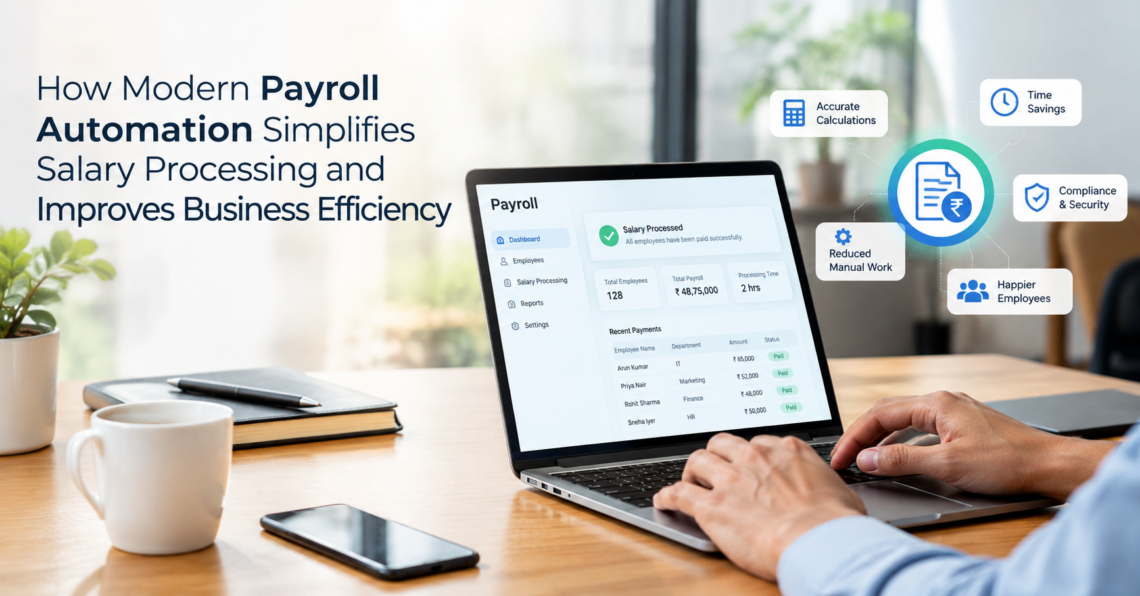
Managing employee salaries accurately and on time is essential for every business. However, manual payroll processing often involves repetitive calculations, spreadsheets, compliance checks, and employee data management, which can increase administrative workloads. Modern payroll automation helps businesses simplify these tasks, reduce errors, and improve operational efficiency. Choosing the Best payroll management software In India can help organizations streamline salary processing, maintain accurate payroll records, and create a more reliable experience for employees and payroll administrators.
1. Automating Salary Calculations
Salary calculations involve several components, including basic pay, allowances, overtime, bonuses, deductions, and reimbursements. Calculating these elements manually can be time-consuming, particularly for organizations managing large workforces.
Payroll automation processes salary components using predefined rules and employee information. It reduces repetitive calculations and helps payroll teams maintain consistency across salary cycles. When employee attendance and leave data are integrated into the system, salary calculations can also reflect working days, approved absences, and applicable deductions more accurately.
2. Reducing Payroll Errors
Payroll mistakes can lead to incorrect salary payments, employee dissatisfaction, and additional administrative work. Errors may occur when employee records are outdated, attendance details are entered incorrectly, or calculations are performed manually.
Automated payroll systems help minimize these risks by applying configured calculation rules and using centralized employee records. They can also highlight missing information and calculation discrepancies for review before payroll is finalized.Although automation improves accuracy, businesses should regularly verify employee information, salary structures, and system configurations to ensure that payroll results remain reliable.
3. Simplifying Statutory Compliance
Businesses must manage applicable payroll regulations, statutory deductions, tax calculations, and reporting requirements. These responsibilities can become challenging when regulations change or employee compensation structures vary.Modern payroll solutions help organizations organize compliance-related information, calculate configured deductions, and generate reports required for internal reviews and statutory processes. Automated reminders and updated system configurations can also help payroll teams track important deadlines.However, software alone does not guarantee compliance. Businesses should ensure that payroll rules reflect current legal requirements and seek professional guidance whenever necessary.
4. Integrating Attendance and Leave Management
Employee attendance directly influences payroll calculations. Late arrivals, overtime, shift schedules, paid leave, and unpaid absences can affect the final salary amount.
Integrating attendance and leave management with payroll reduces the need to transfer information manually between separate systems. Approved attendance records can feed into salary calculations, helping payroll administrators process employee payments more efficiently.This integration also improves coordination between HR and finance teams. When both departments work with consistent employee information, they can resolve discrepancies faster and reduce delays during payroll processing.
5. Improving Payslip Generation and Employee Access
Employees need clear information about their earnings, deductions, reimbursements, and net salary. Preparing and distributing payslips manually can create unnecessary work for payroll administrators.
Automated payroll platforms can generate digital payslips for each salary cycle and provide secure employee access, depending on the system’s features. Employees can review their salary details without repeatedly contacting the HR department for basic information.
This improves transparency, reduces routine payroll queries, and allows employees to access important salary records when needed. Businesses should also ensure that sensitive payroll information is protected through appropriate access controls and security measures.
6. Saving Time and Improving Business Efficiency
Manual payroll processing consumes valuable time that HR and finance teams could use for more strategic responsibilities. Automation reduces repetitive administrative tasks, simplifies information management, and supports faster payroll completion.Payroll reports can also help managers understand salary expenses, overtime costs, deductions, and workforce-related spending. These insights support budgeting, financial planning, and resource allocation.
For growing businesses, automated processes can accommodate increasing employee numbers without requiring the same increase in manual administrative effort. This scalability makes payroll automation a practical investment for organizations seeking long-term operational efficiency.
7. Choosing the Right Payroll Automation Solution
Selecting an appropriate payroll platform requires evaluating business needs, workforce size, compensation structures, and existing HR processes. Organizations should consider salary calculation capabilities, attendance integration, statutory reporting, employee self-service, data security, and reporting features.
Ease of use is equally important. A straightforward interface helps payroll administrators complete tasks efficiently and reduces the time required to train employees. Businesses should also review customer support, implementation requirements, integration options, and pricing before making a decision.Testing the platform with representative payroll scenarios can help organizations identify potential issues before full implementation. Regular system reviews and employee data updates will further support reliable payroll operations.
Conclusion
Modern payroll automation simplifies salary calculations, reduces manual errors, supports compliance activities, and improves coordination between HR and finance teams. It also provides employees with clearer salary information while helping businesses save time and manage payroll expenses more effectively.
When integrated with broader human resources systems, payroll automation can create a more connected approach to employee data, attendance, leave management, and workforce reporting. By selecting a solution that matches their operational requirements, businesses can build efficient payroll processes, improve employee confidence, and support sustainable organizational growth.