Have you ever stepped outside after a heavy rain and found your yard looking more like a small pond? Or watched water collect around your driveway, garden, or walkway even hours after the rain stopped? It is frustrating, especially when the same spots keep getting wet. Choosing the right materials from a reliable gravel supplier near me in California can help you manage these problems by giving rainwater a better path to flow through the ground instead of sitting on the surface.
Gravel might seem like a simple building material, but it can make a real difference when water drainage is a concern. Let us look at how it works, where you can use it, and what to keep in mind before getting started.
Why Does Heavy Rain Cause Drainage Problems?
When rain falls faster than the ground can absorb it, water has to go somewhere. On hard surfaces like concrete, it often runs toward the lowest point. On compacted soil, it may struggle to soak in, leaving puddles behind. This can cause more than a soggy yard. Standing water may damage landscaping, wash away soil, weaken parts of a driveway, and create muddy areas around your property. Nobody wants to spend time cleaning up the same mess after every storm.
The good news? With a suitable drainage setup, you can guide excess water away from problem areas and help your outdoor spaces stay in better shape.
How Does Gravel Help Water Drain Away?
Gravel creates open spaces between individual stones. These gaps allow water to move through the material instead of collecting on top of it. Think about what happens when rain hits a solid concrete surface compared with a gravel-covered area. Concrete usually sends water across the surface, while properly installed gravel can let water pass between the stones and into a prepared drainage layer.
Of course, gravel alone cannot solve every drainage issue. The soil beneath it, the slope of the ground, and the way the drainage system is built all matter. If water has nowhere to go after passing through the gravel, it can still collect underground.
That is why proper planning is just as important as choosing the right stone.
Where Can You Use Gravel for Better Drainage?
One of the best things about gravel is its versatility. You do not need to use it only for large construction projects. It can also help with everyday drainage problems around your home or business.
1. Around Foundations
Water collecting near a building can become a serious concern. Gravel may be used as part of a properly designed foundation drainage system to help water move toward a suitable outlet. The system must be planned carefully to avoid directing water toward the building.
2. Along Driveways and Walkways
Does your driveway develop puddles after every storm? A well-prepared gravel base can help water drain through the layers beneath the surface while supporting the driveway. Proper grading is still needed to prevent water from pooling.
3. In Gardens and Landscaped Areas
Some garden areas become muddy whenever it rains. Gravel can help create drainage paths, surround suitable planting areas, or form decorative ground cover. Just make sure the selected stone and soil conditions are suitable for the plants you want to grow.
4. In French Drains and Drainage Trenches
French drains use gravel around a perforated pipe to collect and carry excess groundwater away from a problem area. The gravel creates space for water to enter the system, while the pipe provides a route for it to flow toward a suitable outlet.
Which Type of Gravel Works Best for Drainage?
Not all gravel performs the same way. The right choice depends on where you plan to use it and how much water the area needs to handle.
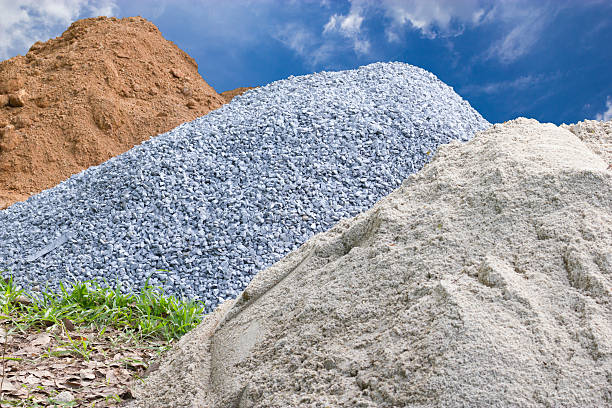
- Washed gravel: Contains less fine material, leaving more open space for water to pass through. It is often suitable for drainage layers and trenches.
- Drain rock: Larger, clean stones can provide open spaces that allow water to move through drainage systems.
- Crushed stone: Offers useful support for many base applications. Its drainage performance depends on the stone size and the amount of fine material present.
- Pea gravel: Its small, rounded stones can work in some landscaping and drainage applications, though they may not provide the best support for every project.
Before ordering, consider the soil, expected water flow, and intended use. A knowledgeable supplier can help you narrow down the options.
Common Gravel Drainage Mistakes to Avoid
Even good gravel can disappoint when it is installed incorrectly. One common mistake is placing drainage stone over soil that quickly clogs the gaps with fine particles. A suitable filter fabric may help in certain applications, depending on the soil and system design. Another problem is ignoring the slope. Water needs somewhere to go, so a drainage trench or pipe should lead toward an appropriate outlet.
It is also worth avoiding stone that contains too much sand or fine material when the project requires open drainage spaces. Always check the material specifications before ordering.
Find the Right Gravel for Your Project
Good drainage starts with understanding where the water comes from and where it needs to go. Once you know that, choosing the right stone becomes much easier. If you are searching for a gravel supplier near me in California, look for a supplier that offers suitable aggregate sizes and can explain which materials fit your project. Whether you are improving a driveway, managing runoff, or preparing a drainage trench, the right gravel can help you build a more reliable drainage system.
A little planning now can save you from dealing with the same puddles, muddy patches, and water damage every time the rain rolls in.
Frequently Asked Questions
1. Does gravel help prevent flooding in heavy-rain areas?
Gravel can help manage surface water and improve drainage when used in a suitable system. It cannot prevent all flooding, especially when rainfall exceeds the system’s capacity or water has no safe outlet.
2. Is larger gravel better for drainage?
Larger, clean gravel often provides more open space for water to move through. The best size depends on the drainage design, soil conditions, and whether the gravel also needs to support a structure.
3. Can I put gravel directly over wet soil?
You can in some situations, but simply covering wet soil with gravel may not fix the underlying problem. You may need to improve the slope, prepare a drainage layer, or install a drain to move water away.
4. How deep should a gravel drainage trench be?
There is no single depth that works for every property. The required depth and width depend on the amount of water, soil conditions, trench purpose, and outlet location. Larger drainage problems may need professional assessment.
5. How do I choose a gravel supplier for drainage projects in California?
Look for a supplier that offers clean drainage aggregates in suitable sizes and can explain their intended uses. Share details about your project, soil conditions, and drainage concerns so you can select a material that meets your needs.